

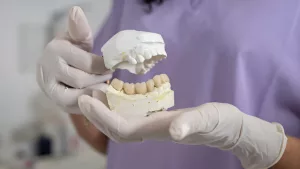
If you’ve ever fractured a tooth, chances are a dentist told you that a crown was needed. A dental crown is a cap placed over a compromised tooth. Unlike a veneer, which covers only the front surface, a crown generally envelops most or all of the tooth to reinforce and protect it.
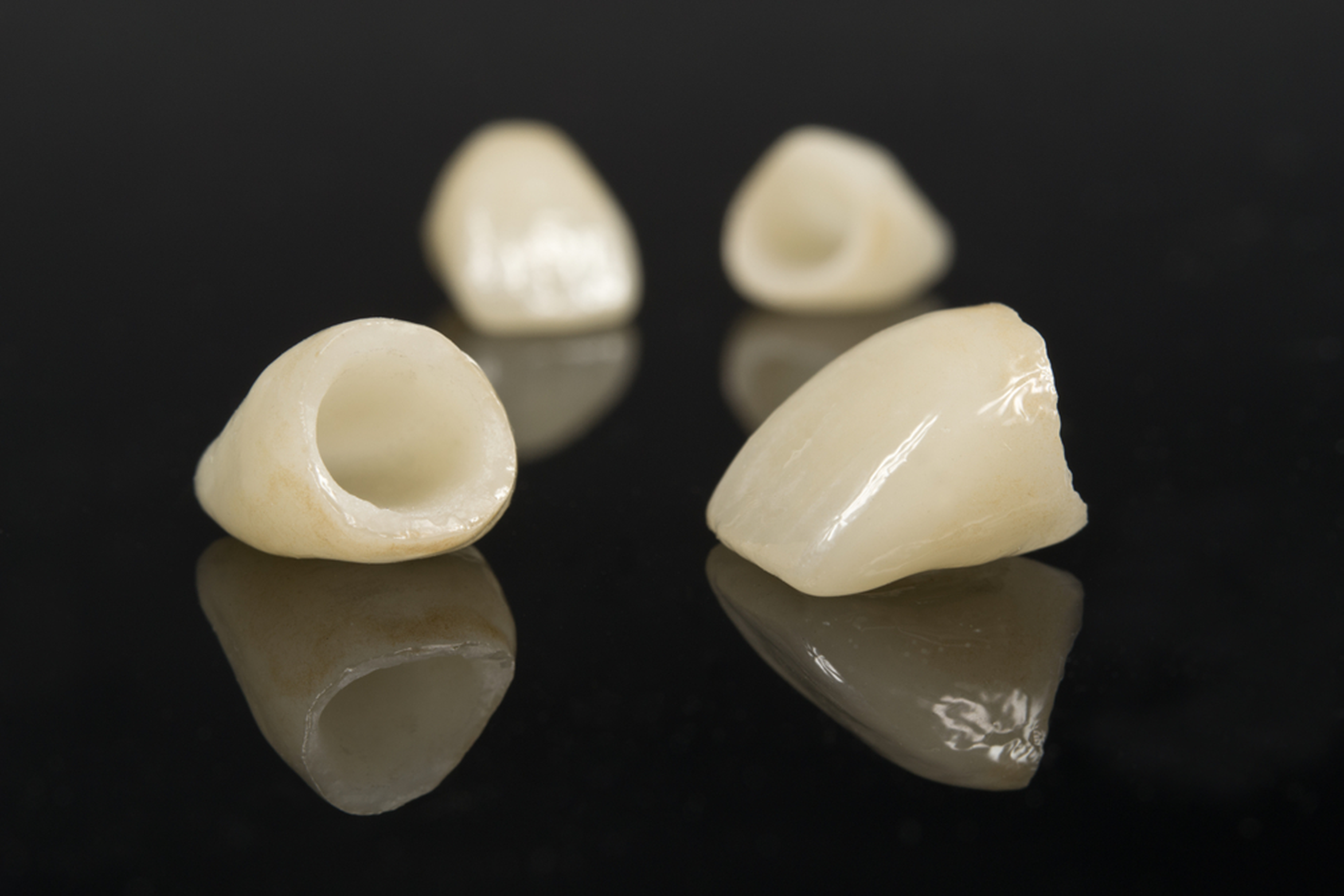
Depending on the crown’s material, it can last for many years. Still, crowns can sometimes loosen or even fall out before they’re due for replacement. If that occurs, it’s useful to know how to respond.
What to do if your crown fell out
Picture this: you bite down and notice a strange, lumpy object on your tongue — your crown has detached and is loose in your mouth.
If this happens, first retrieve the crown so you can bring it to the dentist. In some cases, the dentist can clean it and re-seat it.
Next, call your dental office to arrange an appointment. You’ll likely need the crown re-cemented or replaced. Ask your dentist if there are any special interim instructions to follow until your visit.
Some dentists may advise attempting to reinsert the crown temporarily. To do this, gently clean the interior of the crown with toothpaste, then use dental adhesive (or a temporary alternative such as toothpaste or sugar-free gum) to hold the crown in place briefly. Pharmacy or grocery stores sell temporary dental cement for this purpose.
While awaiting a permanent replacement, avoid chewing on the affected tooth and stick to soft foods and liquids as much as possible.
Optum Now is operated by RVO Health. By clicking on this link, we may receive a commission. Learn more.
What not to do if your crown fell out
The most crucial rule if your crown comes loose is: don’t swallow it. If it comes out, locate it and keep it safe.
Other precautions while you have a missing crown include:
- Avoid sticky, hard, or very chewy foods.
- Try not to chew on the side of the mouth with the missing crown.
- Be gentle when brushing around the affected area.
What if a temporary crown fell out?
When you don’t receive a same-day permanent crown, dentists usually place a temporary crown as a placeholder while the final one is fabricated. Temporary crowns often remain in place for a couple of weeks.
Because temporary crowns are held by temporary cement, they require extra caution. Dentists commonly advise avoiding hard, sticky and chewy foods.
Despite those precautions, temporary crowns can still dislodge. Inform your dentist and follow their directions. Meanwhile, follow the same steps you would if a permanent crown fell out.
Treating teeth after a crown falls out
After a crown detaches, the dentist will assess both the tooth and the crown itself.
Based on the crown’s condition and the state of the underlying tooth, the dentist will determine whether the existing crown can be reused or if a new one is necessary.
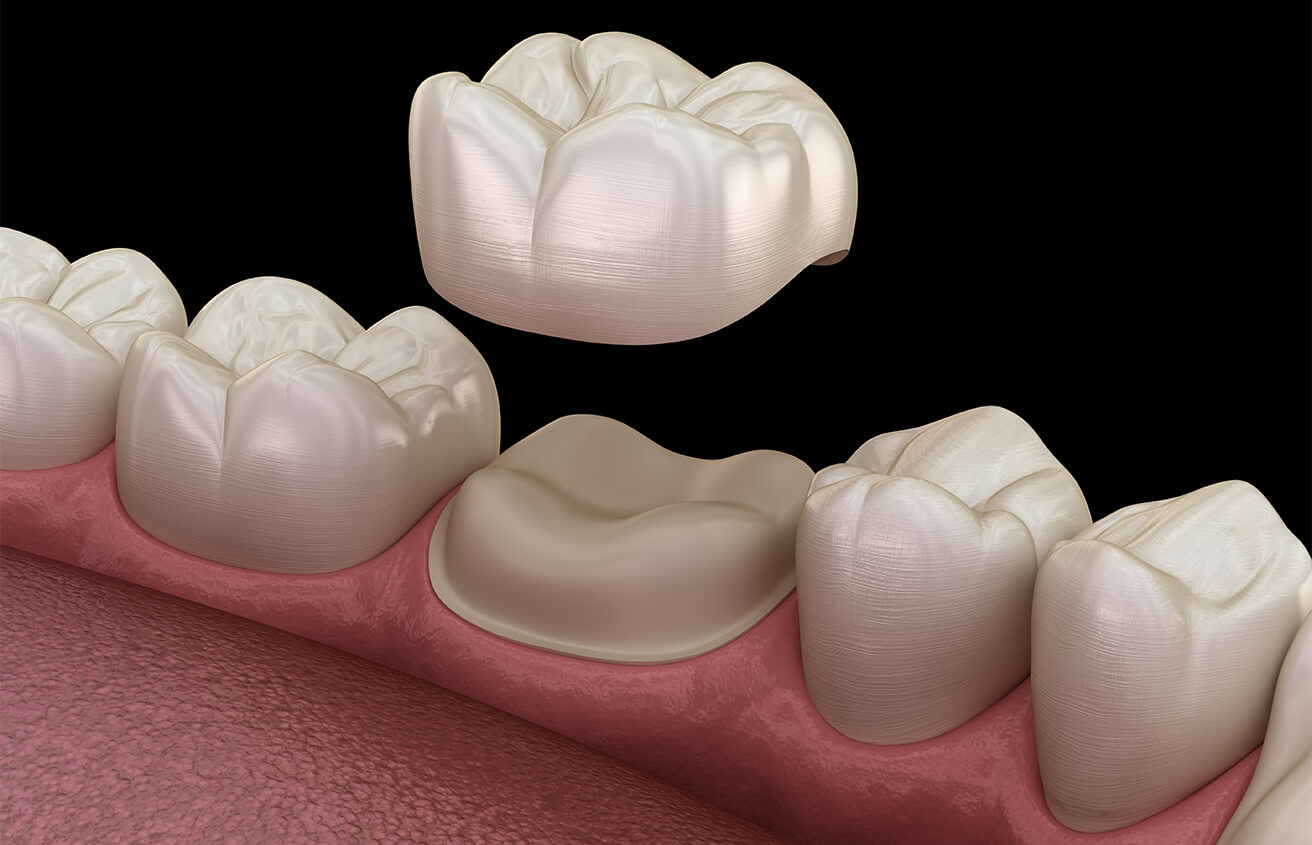
Some studies suggest it may be possible to reuse an existing crown even when the tooth underneath is fractured, though the crown might require some adjustment before reinstallation. If the tooth beneath is significantly damaged, however, a new crown will likely be needed to achieve a proper fit.
If a new crown is required and the underlying tooth is compromised, the dentist will prepare the tooth — which may involve reshaping it or adding build-up material — before placing a temporary crown while the permanent one is made.
Some practices offer same-day crowns crafted from durable ceramic materials like CEREC, which can eliminate the need for a temporary crown.
Why do dental crowns come loose?
You might not notice a crown is loose until it actually falls out. Several factors can cause this to happen.
Decay can develop in the remaining tooth structure under the crown. Bacteria can seep beneath the crown if the cement has worn away, leading to decay that undermines the crown’s fit.
As decay progresses, the crown may loosen and become more likely to detach. In some cases, there simply isn’t enough tooth structure left to retain the crown securely.
Other reasons a crown can loosen include:
- An improperly fitted crown
- An insufficient amount of cement holding the crown
- Sticky foods that pull the crown loose
- Teeth grinding
- A severely weakened tooth
Occasionally a crown will be only partially dislodged. If it’s hanging by one edge, you may want to remove it entirely and keep it safe for the dentist to inspect.
Can you prevent a crown from falling out?
If a crown was poorly fitted or the cement has broken down, prevention is difficult. Still, you can take steps to care for your crown and lower the risk of it coming loose.
A few recommendations from the Academy of General Dentistry include:
- Don’t chew ice
- Avoid or be cautious with very sticky or chewy foods
- Brush your teeth twice daily
- Floss regularly
- Use an interdental brush to clear plaque where the gum meets the tooth and crown
If you grind your teeth at night, your dentist may also suggest a nightguard to protect your crown and other teeth.
Takeaway
If your crown comes out, you’re not alone. The key actions are to keep the crown, contact your dentist to schedule an appointment to have it refitted or replaced, and be gentle with your mouth until you can get care. If a re-cementing or a new restoration is needed, your dentist will guide the next steps — which may include a cemented crown or another suitable option.


















Leave a Reply
You must be logged in to post a comment.