

Hydrogen peroxide is a clear liquid chemical. Small traces appear naturally, but the hydrogen peroxide sold in shops or salons is produced in laboratories.
In pharmacies and supermarkets, hydrogen peroxide is available at low strengths, typically between 3 and 9 percent. It is used as a disinfectant and bleaching agent, including for lightening hair. For this reason, hydrogen peroxide features in many blonde hair color products.
Although using hydrogen peroxide on skin and hair is generally acceptable, it can provoke irritation of the skin, lungs, and eyes.

Using hydrogen peroxide to lighten hair
Using hydrogen peroxide to lighten hair
Hydrogen peroxide is frequently applied to lighten hair. It can be used by itself or incorporated into other blonde dye formulations.
Hair color products that contain hydrogen peroxide are classed as permanent dyes, meaning the effect remains until new hair grows in. This permanence results from hydrogen peroxide acting within the hair cortex — the innermost layer that contains the pigment responsible for hair color.
Pure hydrogen-peroxide-based products can lift hair to a pale blonde shade. They are also commonly used to lighten dark hair before applying another dye shade. For instance, they can shift dark brown hair toward red tones.
Hydrogen peroxide and hair harm
Hydrogen peroxide is usually safe for hair, but it can cause problems even at the concentrations available for home use.
Skin irritation
While hydrogen peroxide may be applied to skin as a disinfectant, excessive or prolonged exposure can irritate skin.
When coloring hair with hydrogen peroxide, you may notice irritation on the scalp and around the hairline.
You can reduce irritation by protecting the hairline with petroleum jelly and clean cotton, and by limiting how long the hydrogen peroxide remains on your hair.
Damage to the hair cuticle
The cuticle is the hair’s outer layer. It shields the inner structure and helps maintain strength.
Lightening hair with hydrogen peroxide can harm the cuticle because the peroxide must pass through the cuticle to reach and alter the hair shaft. Cuticle damage can result in breakage, split ends, and frizziness.
Using deep-conditioning treatments can help repair and minimize cuticle damage.
Hair loss
Hydrogen peroxide is classified as an oxidative hair dye. That means it triggers a chemical reaction in the hair cortex to create the new color.
Although oxidative dyes provide longer-lasting results than non-oxidative options, they also subject hair to oxidative stress. This stress can age hair and contribute to hair loss.
Furthermore, breakage from cuticle damage can cause the appearance of hair thinning or loss.
How to lighten hair with hydrogen peroxide
The safest option is to have hair lightened by a professional at a salon. Still, you can use hydrogen peroxide at home safely if you take precautions.
Dilute the hydrogen peroxide, shield the skin around your hairline, and proceed gradually to achieve the desired shade without causing irritation.
Store-bought dyes that include hydrogen peroxide
Many permanent home hair dyes sold in drugstores contain hydrogen peroxide. These products utilize peroxide to remove natural pigment and to help the new color last longer.
Hydrogen peroxide combined with baking soda
Baking soda is alkaline, which enhances hydrogen peroxide’s effectiveness in two ways.
First, it lifts the cuticle to let hydrogen peroxide penetrate the hair cortex more readily. Second, when mixed with peroxide, it assists in breaking down melanin in the hair.
To lift hair with a hydrogen peroxide and baking soda paste, combine the ingredients into a spreadable mix and apply evenly through the hair. Leave it on anywhere from 15 minutes up to an hour, depending on how dark your hair is, then rinse with cool water.
Using hydrogen peroxide by itself
Begin by protecting your skin: apply petroleum jelly along the hairline, place a cotton strip where available, and wear gloves. After these steps, you’re ready to proceed.
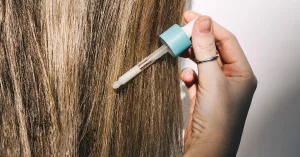
Mix equal parts hydrogen peroxide and water. Put the solution in a spray bottle and test it on a small hair section first to confirm you don’t react to it and that you like the resulting tone.
When satisfied, drape a towel over your neck and shoulders that you don’t mind staining. Saturate your hair with the peroxide solution and leave it on for 15 minutes to an hour. Rinse thoroughly afterward.
At the salon
A qualified stylist or colorist can apply hydrogen peroxide in a salon setting to lift hair color. They’ll match the final shade to your complexion and can incorporate highlights or other techniques as needed.
Other ways to lighten hair
If you’re concerned about using hydrogen peroxide or prefer a subtler change, there are alternative methods to lighten hair. These include:
Lemon juice
Lemon juice works best on dark blonde to light brown hair.
Mix lemon juice with water and saturate your hair. Allow it to dry for several hours — ideally outdoors in sunlight — then rinse.
Apple cider vinegar
Combine one part apple cider vinegar with six parts water and spray the mixture over your hair. Leave it for 15 to 20 minutes, then rinse well. The resulting lightening tends to be more understated.
Chamomile
Brew a strong chamomile infusion and soak your hair in it. This approach lightens hair gradually but works across many shades and can revive dull blonde tones.
Cinnamon
Cinnamon can enhance red and blonde highlights. Make a paste of cinnamon powder and water, apply it through your hair, cover, and leave it on for several hours before rinsing.
Honey
Mix honey with warm water, spread it through your hair, and wrap it up. Leave it in for several hours — it’s safe to leave overnight since it only imparts a slight lightening effect — then wash it out.
Bottom line
Hydrogen peroxide and products containing it are an effective way to lighten hair. For minimal damage and the best color match, professional salon application is recommended.









Leave a Reply
You must be logged in to post a comment.