
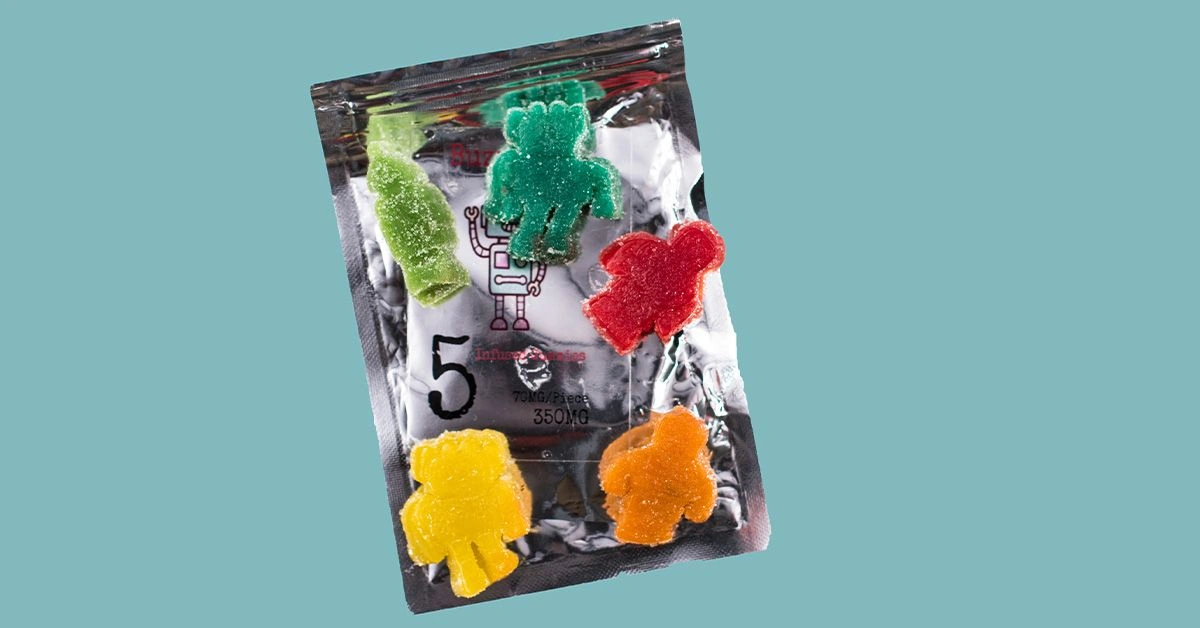
The duration CBD lingers in your body varies based on several elements, such as the amount and type of CBD you take, along with individual differences in physiology and metabolism.
CBD can be detectable in someone’s system for anywhere from a few hours to roughly a month. The exact window depends on the dose and the consumption method.
Reported estimates for CBD’s half-life range from around 1 hour up to about 5 days. The term half-life refers to how long it takes for the body to remove half of a substance. Generally, a compound is mostly eliminated after four to five half-lives.
CBD administered via sprays and drops shows a half-life between 1.4 and 10.9 hours. With long-term oral use, CBD’s half-life can extend to 2–5 days, while smoked CBD tends to have a half-life of roughly 31 hours.
Put another way, CBD from sprays may remain in the body for about 10 hours up to a couple of days; chronic oral use can result in CBD being detectable for around 10 to 25 days; and smoked CBD can linger for approximately a week.
What influences how long it stays in your body?
Several factors affect how long CBD remains detectable in the system.
Dosage
As with many substances, larger doses generally take longer to clear from the body than smaller ones.
Frequency of use
How often you take CBD also matters. Regular use causes CBD to accumulate in the body over time, which is why many people try it consistently for at least a week to evaluate its effects.
Occasional users usually eliminate CBD faster than those who use it routinely.
Individual body characteristics
Each person’s body processes substances differently. Factors such as body mass index, body water percentage, and metabolic rate can all influence how long CBD stays in your system.
Food and meals
Your food intake — what, how much, and when you eat — can change CBD’s absorption and clearance. After eating, CBD may take longer to reach peak blood concentration, but that peak can be higher than when taken on an empty stomach. The body also tends to remove CBD more slowly when you’ve eaten versus when fasting.
Administration method
The way you use CBD determines how quickly it takes effect and how long it persists in the body.
Common forms include:
- oils and tinctures
- pills and capsules
- edibles
- vaping
- creams and lotions

When vaping CBD (which many experts advise caution with), it reaches the lungs, acts fast, and also clears quickly. Oils and tinctures placed under the tongue are absorbed relatively rapidly and can remain detectable longer.
Edibles pass through the digestive tract and are metabolized more slowly. Topical creams and lotions also enter and leave the system gradually.
How quickly do the effects start?
The onset time for CBD’s effects depends on the same variables that determine how long it stays in your body.
Product form, dose, and personal body composition all influence how soon you’ll notice effects and how intense they might be.
Typically, you might feel effects within about 15 minutes after vaping or using a sublingual product. Edibles and topicals can take an hour or two to produce noticeable effects.
How long do effects endure?
Duration of effects varies by individual, dose, and delivery method. In general, CBD’s effects often last somewhere between 2 and 6 hours.
Will CBD trigger a drug screening?
Pure CBD generally won’t cause a positive drug test, but products that contain THC can. THC is the primary psychoactive component of cannabis and is what drug tests typically screen for.
Some CBD products include trace amounts of THC. Depending on the product’s formulation and quality, use could lead to a positive drug test.
If you’re worried about THC exposure, consider the type of CBD product you buy. Here’s a quick overview:
- Full-spectrum CBD. Contains all naturally occurring compounds from the source plant, including THC.
- Broad-spectrum CBD. Similar to full-spectrum but processed to remove THC.
- CBD isolate. Pure CBD without other cannabinoids.

When choosing full-spectrum products, prefer hemp-derived CBD over marijuana-derived options. Hemp-derived products are required to contain less than 0.3 percent THC by federal law.
For dosing guidance, see more on cbd dosage.
Editor’s pick
Social CBD Original CBD Gummies
- CBD type:broad-spectrum
- CBD potency:25 mg per 2-gummy serving
- COA:available online with lot number
Use code “HEALTH30” for 30% off
Best for advanced users
Cornbread Hemp Full-Spectrum CBD Gummies
- CBD type:full-spectrum
- CBD potency:25 mg, 50 mg, or 100 mg per gummy
- COA:available online
Use code “HEALTHLINE” for 30% off.
Best for beginners
PlusCBD CBD Gummies, Extra Strength Formula
- CBD type:full-spectrum
- CBD potency:10 mg per gummy
- COA:available on product page
Use code “healthline40” for 40% off.
What about breastfeeding or chestfeeding?
People should avoid using CBD while breastfeeding or chestfeeding. If you’re planning to nurse, stop using CBD at least one week beforehand.
The Food and Drug Administration (FDA) warns against use due to limited data on CBD’s effects on nursing infants. Evidence suggests some CBD can pass into breast milk.
CBD products may also contain THC and other compounds that could be harmful to a breastfed child. Until more research clarifies the risks, it’s safest to avoid CBD during pregnancy and breastfeeding.
The takeaway
There’s no single answer for how long CBD stays in your body because many variables play a part, and individuals can respond differently.
Is CBD legal? The 2018 Farm Bill removed hemp from the Controlled Substances Act’s legal definition of marijuana, making certain hemp-derived CBD products with under 0.3% THC legal at the federal level. Products with more than 0.3% THC remain classified as marijuana and are federally illegal. State laws vary, so check regulations where you live or travel. Also note that the FDA hasn’t approved over-the-counter CBD products, and labeling may sometimes be inaccurate.



















Leave a Reply
You must be logged in to post a comment.