
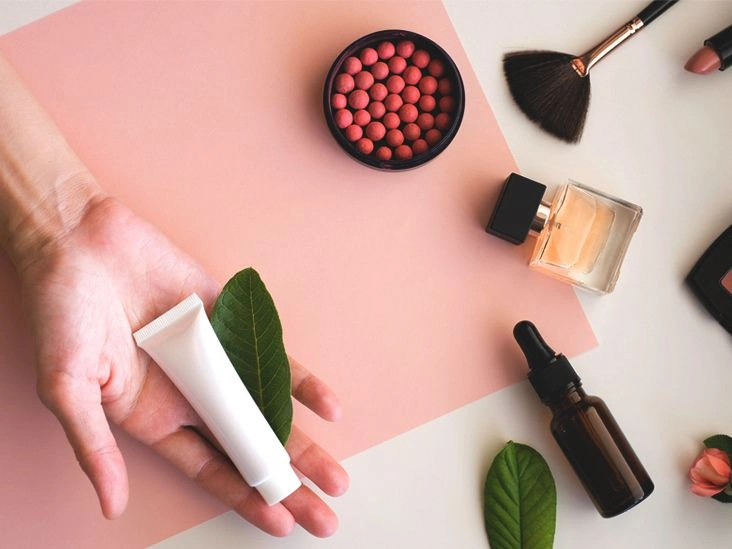
Cetearyl alcohol is an ingredient commonly found in personal care items such as skin lotions, creams, and hair formulations. Unlike many familiar alcohols, it doesn’t dry out or irritate the skin and is regarded as safe and non-toxic for topical use on skin and hair.
If you’ve ever applied lotions, shampoos, or conditioners, you’ve likely noticed an ingredient called cetearyl alcohol on the label.

Good news: cetearyl alcohol isn’t harmful to you, your skin, or your hair. Crucially, cetearyl alcohol is fundamentally different from “regular” alcohols like ethanol.
As someone who cares about health, you probably try to choose skin and haircare products without damaging components.
Luckily, the Food and Drug Administration (FDA) mandates that manufacturers list ingredients on product labels so you can make educated choices about what you put on or in your body.
What is cetearyl alcohol?
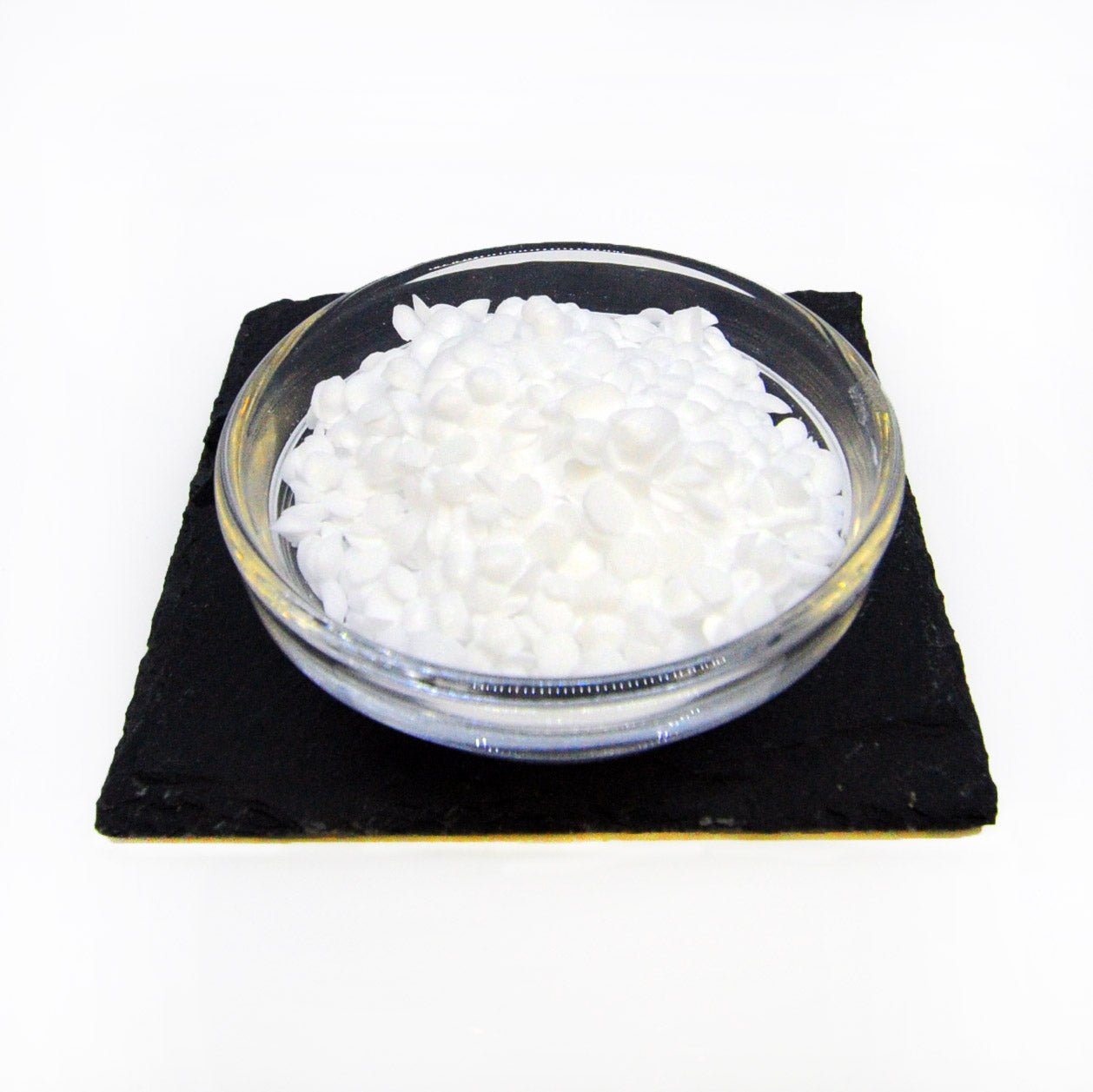
Cetearyl alcohol is an ingredient used in cosmetic preparations. It’s a white, waxy blend of cetyl alcohol and stearyl alcohol — both belong to the class of fatty alcohols. These substances occur naturally in animals and plants, such as coconut and palm oil, and they can also be synthesized.
They’re incorporated into personal care items, especially lotions, hair treatments, and creams. They help create smoother textures, thicken lotions, and stabilize foamed products.
Fatty alcohols are sometimes referred to as long-chain alcohols because of their chemical structure. They commonly contain an even number of carbon atoms and have a single alcohol group (–OH) attached to the terminal carbon.
What is cetearyl alcohol used for?
Cetyl and stearyl alcohols help prevent creams from splitting into oil and watery phases. A substance that helps hold oil and water together is called an emulsifier. These ingredients can also thicken products or enhance their foaming properties.
Products that commonly contain cetearyl alcohol
- skin lotions
- moisturizers
- skin creams
- sunscreen
- shampoo
- conditioners
- hair removal creams
- hair mousse
- anti-frizz hair creams
- hair dye
- mascara
On ingredient lists it most often appears as cetearyl alcohol but can be listed under several alternative names.
Other names for cetearyl alcohol
- (C16-C18) alkyl alcohol
- alcohols, C16-18
- C16-18 alcohols
- cetostearyl alcohol
- cetyl/stearyl alcohol
- 1-octadecanol, mixed with 1-hexadecanol
Cetearyl alcohol isn’t the sole fatty alcohol used in cosmetics. Others include cetyl alcohol, lanolin, oleyl alcohol, and stearyl alcohol.
Is cetearyl alcohol safe?
You may have been advised to avoid hair and skin products with “alcohol” because many simple alcohols, such as ethanol or isopropyl alcohol, can be very drying. Applying these alcohols to skin and hair may cause itching, flaking, and peeling.
Indeed, such alcohols are frequently present in astringents, hand sanitizers, and aftershaves due to their rapid-drying and skin-tightening properties.
However, fatty alcohols like cetearyl alcohol do not behave like those drying alcohols because of their distinct chemical structure.
Cetearyl alcohol’s structure differs from more commonly talked-about alcohols. In fatty alcohols, the alcohol group (-OH) is bonded to a long hydrocarbon chain (a fatty tail). This arrangement enables fatty alcohols to help retain moisture and impart a soothing sensation to the skin.
Ingredients that make skin feel soft are called emollients. They act by creating an oily layer on the skin’s surface to lock in moisture.
The Cosmetic Ingredient Review (CIR) Expert Panel determined in 1988 that fatty alcohols, including cetearyl alcohol, are safe for use in cosmetics. A follow-up 2005 review upheld those conclusions.
In clinical studies, cetearyl alcohol showed no notable toxicity and was non-mutagenic.
A mutagen is an agent that alters DNA; such DNA changes can potentially lead to illnesses like cancer.
It was also not found to cause skin irritation. According to the FDA, products marketed as “alcohol-free” may still contain cetearyl alcohol and other fatty alcohols. Cetearyl alcohol is also listed by the FDA among permitted and safe food additives.
As with many skincare ingredients, a small number of people may experience an allergic reaction to cetearyl alcohol.
If you have sensitive skin or known allergies, it’s wise to do a patch test with any product that contains this ingredient. Contact your physician if you notice burning, blisters, swelling, stinging, redness, or irritation that persists or worsens.
The bottom line
Cetearyl alcohol is used to soften skin and hair and to thicken and stabilize cosmetic formulations such as lotions and hair products. As an emollient, cetearyl alcohol is considered an effective ingredient for calming and helping dry skin.
Unless you have very reactive skin, you generally don’t need to avoid items containing cetearyl alcohol. It’s considered safe and non-toxic for use on skin and hair, and it doesn’t have the drying, irritating effects associated with other alcohol types.
Because of its molecular structure, cetearyl alcohol is even permitted by the FDA in products that are labeled “alcohol-free.”



















Leave a Reply
You must be logged in to post a comment.