

Diosmin is a flavonoid primarily present in citrus fruits. Flavonoids are plant-based compounds known for their antioxidant effects, helping shield the body from inflammation and unstable molecules called free radicals.
Diosmin was first extracted from the figwort plant (Scrophularia nodosaL.) in 1925 and has been utilized since 1969 as a natural therapy for conditions such as hemorrhoids, varicose veins, venous insufficiency, leg ulcers, and other circulatory disorders (1, 2).
It’s thought to reduce inflammation and help normalize blood flow in individuals with venous insufficiency, a condition marked by impaired circulation (2).
Today, diosmin is commonly derived from another citrus flavonoid called hesperidin, especially from orange peels (2).
Diosmin is frequently combined with micronized purified flavonoid fraction (MPFF), a blend of flavonoids that includes disomentin, hesperidin, linarin, and isorhoifolin (3).
Most diosmin supplements contain 90% diosmin and 10% hesperidin and are labeled as MPFF. In many contexts, “diosmin” and “MPFF” are used interchangeably (3).
This supplement is available over the counter in the United States, Canada, and certain European countries. Depending on where you live, it may be marketed as Diovenor, Daflon, Barosmin, citrus flavonoids, Flebosten, Litosmil, or Venosmine (4, 5).
Benefits and uses
Diosmin is most commonly used to manage blood vessel disorders, particularly hemorrhoids and chronic venous insufficiency (CVI). Hemorrhoids are swollen veins located around the anus, while CVI refers to enlarged or weakened veins in the legs that impair proper blood return (6, 7).
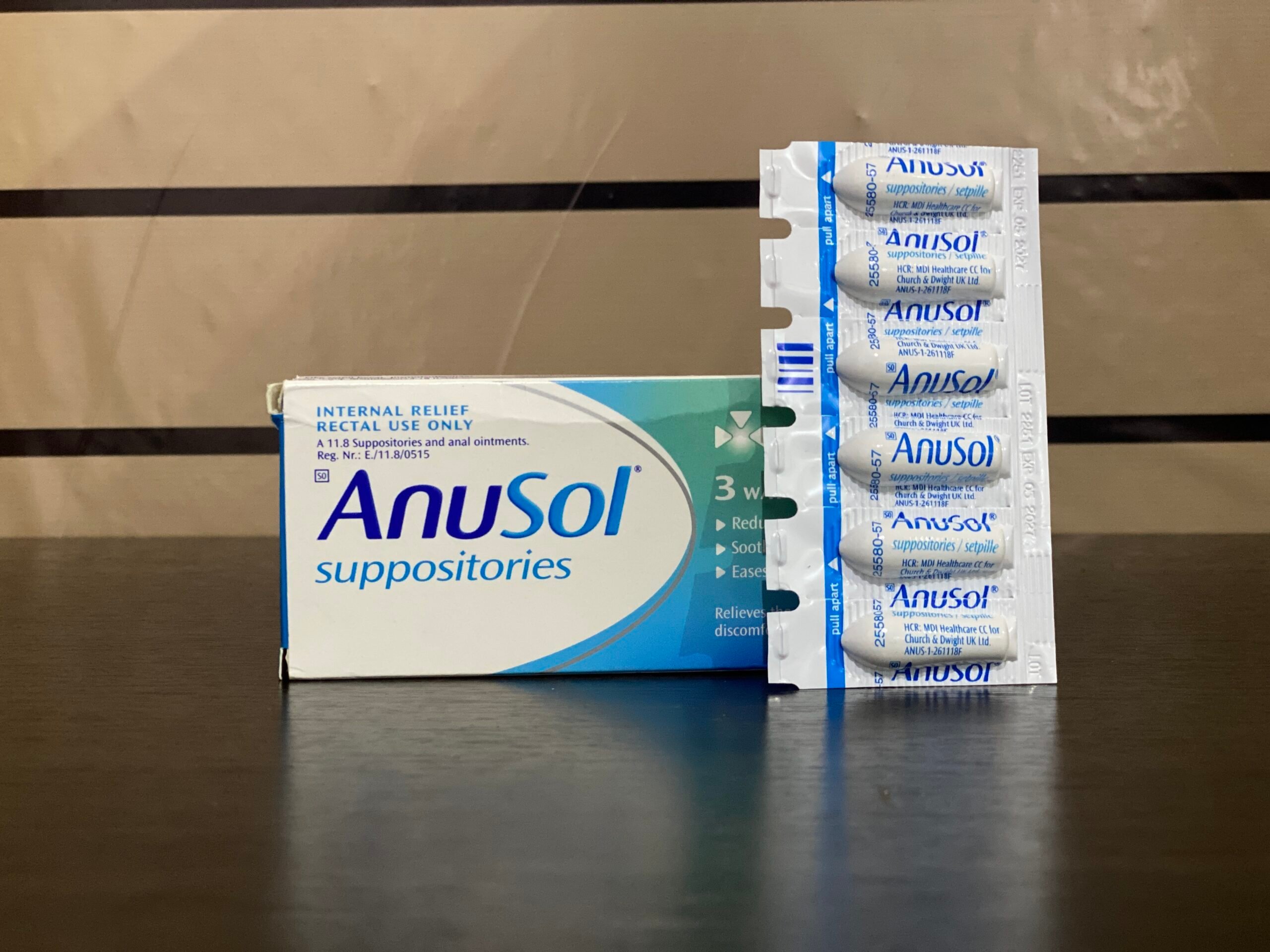
For individuals seeking supportive care alongside lifestyle measures or an Anus pain relief tablet, diosmin may be considered as part of a broader hemorrhoid management strategy under medical supervision. Some people also explore conservative options such as Pain in anus hole home remedies to ease mild discomfort.
In addition, diosmin is sometimes taken for other vascular conditions, including varicose veins, blood clots, retinal hemorrhage (bleeding in the retina of the eye), venous leg ulcers, and venous stasis (reduced blood flow in the legs) (8, 9).
Research indicates that diosmin may decrease inflammation within the veins and enhance circulation (2).
Hemorrhoids
A substantial body of research suggests that diosmin can help manage both internal and external hemorrhoids, which often cause anal pain, swelling, and bleeding.
In a review of 24 studies involving more than 2,300 participants, plant flavonoids such as diosmin were shown to reduce hemorrhoid-related itching, bleeding, discharge, and other symptoms (10).
Additional research demonstrates comparable improvements in symptom severity. Diosmin has also been associated with shorter recovery time after a hemorrhoidectomy, the surgical removal of hemorrhoids (3, 11, 12, 13).
Although these findings are encouraging, benefits appear to be most significant in the early stages of hemorrhoid disease. Overall, diosmin may not be as effective as some other established hemorrhoid treatments (11, 12, 14, 15).
People experiencing acute discomfort sometimes combine physician-recommended therapies, dietary fiber, hydration, and an Anus pain relief tablet for symptomatic control. If you’re searching for guidance on How to stop anus pain immediately, immediate relief strategies should always complement—not replace—professional evaluation when symptoms are severe or persistent.
Chronic venous disease
Chronic venous disease (CVD) is a broad term describing conditions linked to weakened or damaged veins. This category includes CVI, varicose veins, spider veins, leg ulcers, and phlebitis, a condition characterized by inflamed leg veins (16).
A 2012 review of 10 studies found moderate evidence that MPFF (diosmin) improves CVD-related symptoms such as leg ulcers, edema, varicose veins, tingling sensations, overall quality of life, and subjective pain scores (16).
A 2016 review and a 2018 meta-analysis reinforced these conclusions, noting reductions in leg heaviness, swelling, cramps, and restless leg syndrome (17, 18).
Diosmin appears to support vein health by lowering inflammation, strengthening vascular tone, and enhancing blood and lymphatic circulation (3, 19, 20, 21).
However, a 2017 study involving 1,051 participants found that diosmin was less effective for CVD symptoms compared with medications such as Venoruton (Novartis) and Pycnogenol (pine bark extract). Similar findings have been reported elsewhere (22, 23, 24).
While diosmin may ease certain CVD symptoms, consult a healthcare professional before starting supplementation.
Back pain
In one clinical study, 300 participants experienced slight improvements in back pain after taking 900 mg of diosmin three times daily for 2 weeks, followed by the same dose twice daily for another 2 weeks, and then a maintenance dose of 450 mg twice daily for 1 month (25).
Nevertheless, when compared with a control group receiving mannitol and dexamethasone, diosmin was not superior in reducing subjective back pain (25).
Further studies are required to determine whether diosmin plays a meaningful role in back pain management relative to established therapies.
Other conditions
Some individuals use diosmin for lymphedema (swelling of the lymphatic system), varicocele (pain and enlargement of veins in the scrotum), minor bleeding, pelvic pain, and rosacea.
As a recognized anti-inflammatory compound, diosmin may offer benefits in certain inflammatory and circulatory conditions.
Although smaller studies have reported positive outcomes for symptoms of lymphedema, varicocele, minor nasal bleeding, and pelvic pain, larger and well-designed trials are necessary before firm recommendations can be established (26, 27, 28, 29).
Side effects and precautions
Diosmin is generally regarded as a safe over-the-counter supplement.
Although uncommon, reported side effects include stomach discomfort, diarrhea, headaches, dizziness, skin rash, hives, muscle pain, and — in rare severe cases — irregular heartbeat (30, 31).
If you notice any adverse effects after taking diosmin, discontinue use and consult your healthcare provider. Seek immediate medical care if you develop severe pain, severe diarrhea (10 or more loose stools within 24 hours), or an irregular heartbeat.
Dosage and how to take
Diosmin is sold over the counter in the United States, Canada, and parts of Europe. It is most often available as micronized purified flavonoid fraction (MPFF), typically containing 90% diosmin and 10% hesperidin.
The most widely studied and commonly used product is Daflon 500 (450 mg diosmin, 50 mg hesperidin). In some countries, it is marketed as Detralex. Many comparable diosmin supplements are also available in pharmacies and online.
Most products recommend taking one 500-mg tablet with food in the morning and another in the evening, totaling 1,000 mg daily.
Under medical supervision, the following dosage regimens have been shown to be safe and effective for certain conditions (16, 32, 33):
- Chronic venous disease: 1,000 mg daily for 3–6 months
- Hemorrhoids: 1,000–2,000 mg daily for 4 days, followed by 1,000 mg daily for 3 days
- Varicose veins: 1,000–2,000 mg daily for up to 6 months
Do not use diosmin for longer than 3 months — or exceed the labeled dose — unless directed by your healthcare provider.
Overdose
At this time, there are no documented cases of diosmin overdose or toxicity reports.
Even so, always adhere to label instructions and consult a healthcare professional to ensure the supplement is appropriate for you.
Interactions
Diosmin may interact with the following medications (34, 35, 36):
- anticoagulants (such as Warfarin)
- anticonvulsants (such as Carbamazepine and Phenytoin/Dilantin)
- antihistamines (such as Allegra)
- muscle relaxants (such as Chlorzoxazone)
- non-steroidal anti-inflammatory drugs (such as Voltaren, Motrin, Advil, and Aleve)
- acetaminophen (such as Tylenol)
Diosmin may inhibit certain liver enzymes responsible for metabolizing these medications. This could reduce their effectiveness and may be particularly risky for individuals with bleeding disorders, as it can interfere with proper blood clotting (34, 35, 36).
Diosmin may also interact with herbal supplements such as fenugreek, feverfew, garlic, ginger, ginkgo, ginseng, and turmeric due to their potential blood-thinning properties (34).
If you take any of these medications or supplements, consult your healthcare provider before starting diosmin.
Storage and handling
Store diosmin in a cool, dry place, such as a medicine cabinet. Carefully review the label and avoid using supplements beyond their expiration date.
Pregnancy and breastfeeding
Because safety data are limited, women who are pregnant or breastfeeding should avoid taking diosmin.
Always speak with your healthcare provider before beginning any supplement or medication.
Use in specific populations
Diosmin may worsen bleeding in individuals with bleeding disorders. If you have such a condition, avoid this supplement unless specifically advised by your healthcare provider (30, 31).
Children and adolescents should not take diosmin due to insufficient safety research in these age groups.
If you have underlying medical conditions such as diabetes, heart disease, or inflammatory bowel disease (IBD), consult a healthcare professional before using diosmin.
Alternatives
Depending on your diagnosis, several alternative therapies may serve as substitutes for diosmin (7, 21, 37, 38):
- Hemorrhoids: high fiber diets, topical creams and suppositories, over-the-counter pain relievers (Advil, Motrin, Tylenol), prescription medications, injections, and surgical procedures such as hemorrhoid removal or hemorrhoid stapling. In some cases, an Anus pain relief tablet may be recommended for short-term symptom control.
- CVD (including varicose veins): over-the-counter pain relievers (Advil, Motrin, Tylenol), compression stockings, regular exercise, Antistax (red vine leaf extract) or other supplements, prescription medications, sclerotherapy, laser or radiofrequency ablation, and surgical interventions such as vein ligation.
Although diosmin may provide symptom relief in certain cases, your healthcare provider may advise a combination of therapies for optimal results. Always follow professional medical guidance tailored to your condition.


















Leave a Reply
You must be logged in to post a comment.