

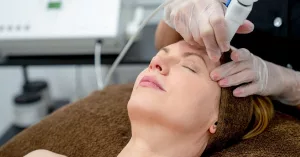
The botulinum toxin delivered by Botox injections produces muscle paralysis. When properly applied, these injections stop the muscles responsible for age-related lines—such as forehead creases, crow’s feet, and frown lines—from contracting. If those muscles are unable to contract, the lines are less noticeable, resulting in a smoother, more youthful appearance.
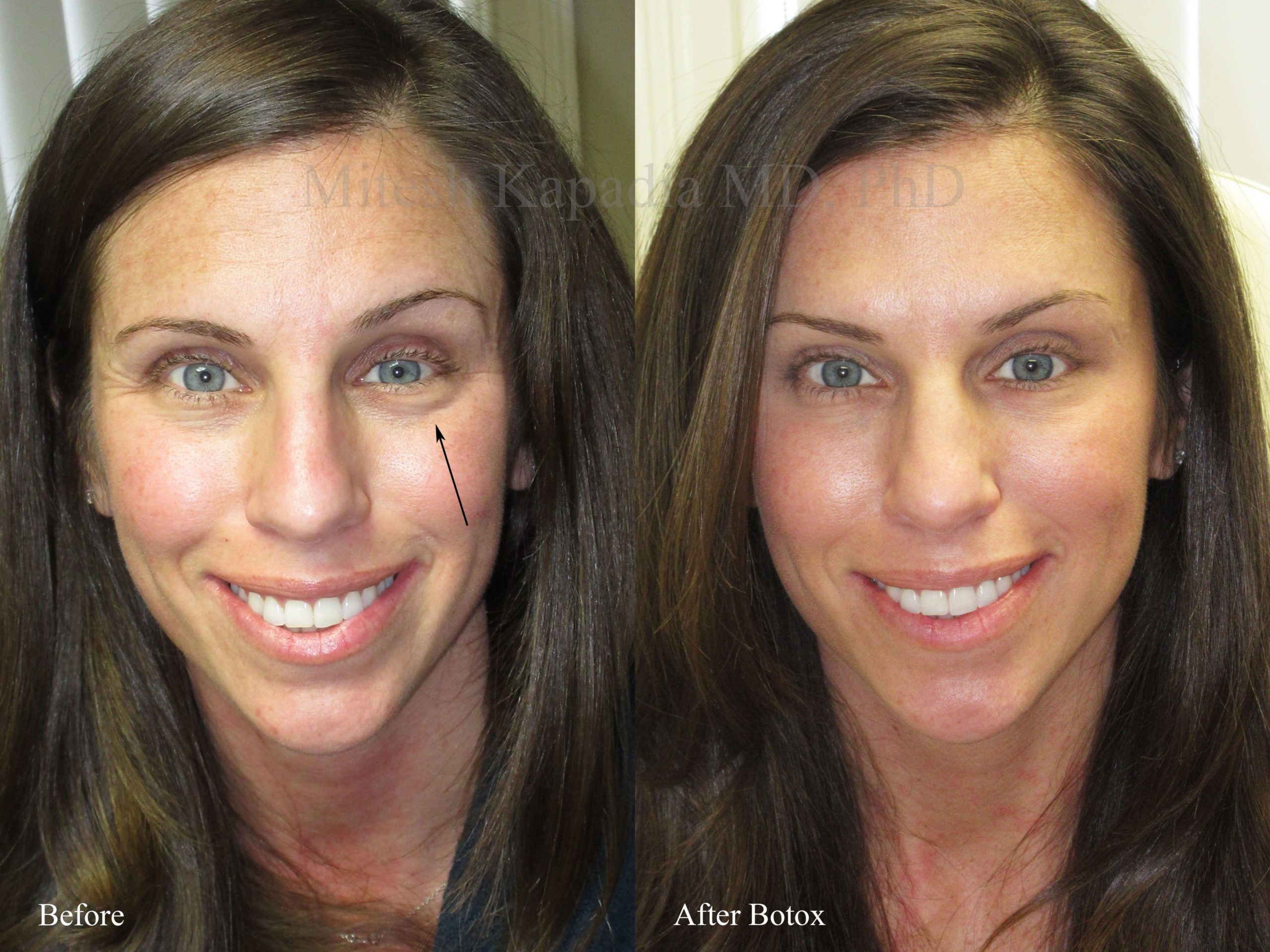
Occasionally, the toxin can travel beyond the targeted area. In some instances, this may lead to a drooping eyelid following Botox treatment.
What leads to droopy eyelids after Botox?
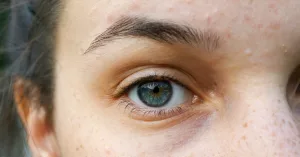
Drooping of the eyelid—also known as ptosis—can occur when Botox spreads to one of two particular regions.
Those two zones are the forehead and the area between the eyes.
Forehead
Botox is commonly administered to the forehead to reduce horizontal forehead lines. The injection prevents the frontalis muscle, which lifts the eyebrows, from contracting, thereby reducing the formation of horizontal forehead creases. In most cases, this produces a smooth forehead.
Sometimes, however, the procedure can cause the brow to descend, which crowds the upper eyelids and gives the impression of drooping.
Between the eyes
Injections placed between the eyebrows or just above the brow are used to soften the vertical “11” lines that sit above the nose. Occasionally, a portion of the Botox can drift into the upper eyelid and immobilize the levator palpebrae—the muscle that keeps the upper eyelid elevated. If that muscle is affected, the upper eyelid will sag.
Botox fundamentals
Out of the 15.7 million minimally invasive cosmetic procedures performed in 2017, 7.23 million were Botox injections (botulinum toxin type A).
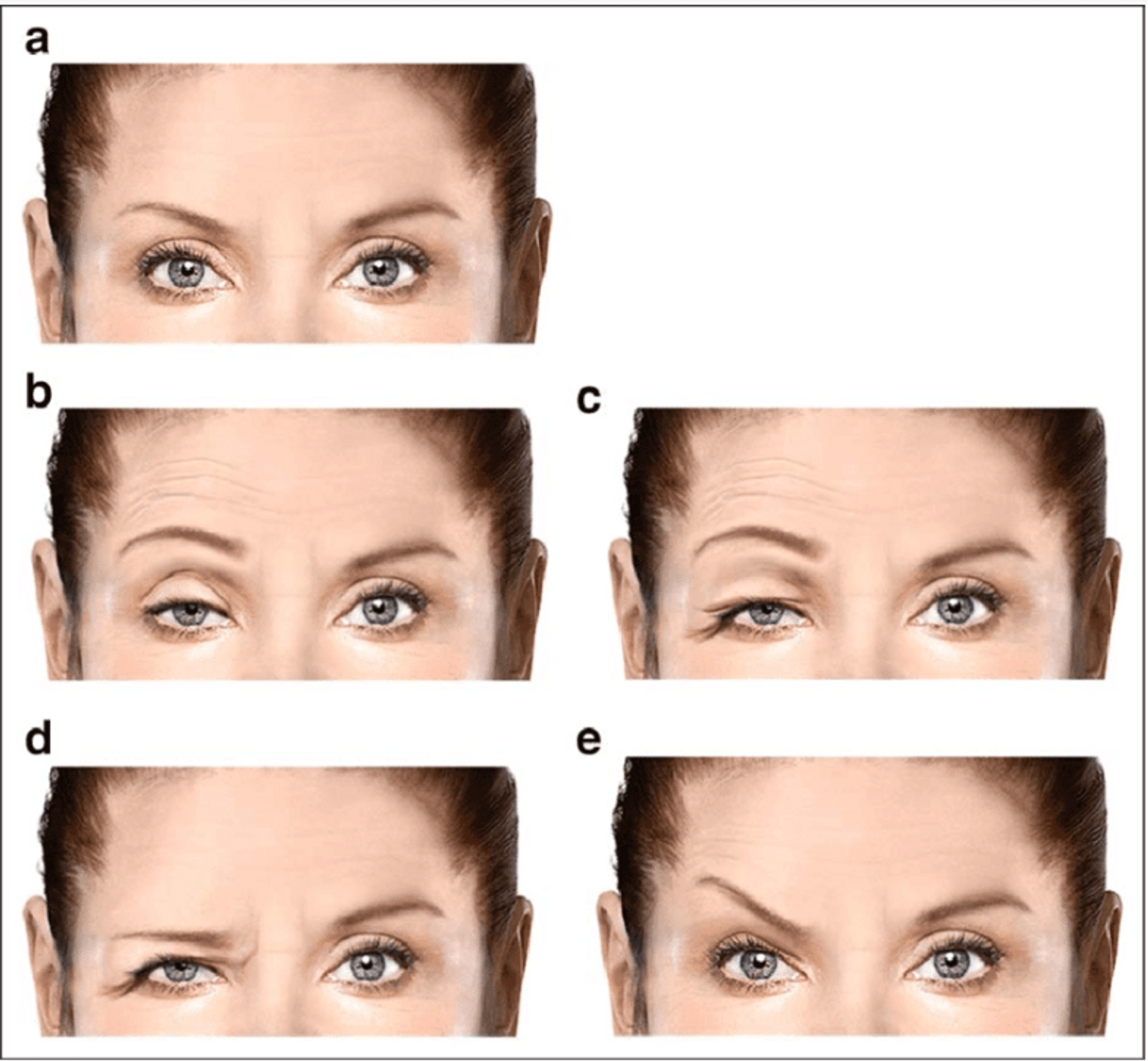
It typically takes about a week after receiving Botox for the toxin to attach to nerve receptors, which blocks nerve signals from reaching the muscle. Consequently, the treated muscle remains paralyzed for roughly three to four months, preventing wrinkle formation.
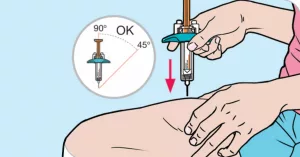
Administering Botox requires precision to ensure the toxin affects only the intended muscles.
Because facial muscle patterns differ between individuals, the practitioner must make informed choices about:
- precisely where to place the injections
- the correct injection depth to prevent unintended migration of the toxin
A small misjudgment—such as injecting too low in the forehead muscle—can result in eyelid drooping after Botox.
What should I do if my eyelids droop after Botox?
Botox’s effects are temporary. Although the treatment itself can last three to seven months, droopy eyelids usually resolve within four to six weeks.

Besides waiting, a couple of interventions may help improve the issue:
- Prescription eyedrops like apraclonidine (Iopidine), which can be useful when the eyelids are sagging but the brows are not
- Additional Botox placed in the correct location, which can offset over-relaxation of the brow muscles
Also consider reading more about appropriate botox dosage to understand how dosing and placement influence outcomes.
Summary
If Botox seems suitable for you, be sure to select a qualified, experienced practitioner. This is the best way to minimize risks such as drooping eyelids.
If you do experience droopy eyelids following Botox—which is uncommon—you may need to wait for the toxin to wear off (roughly six weeks) before the lids return to normal, or you can discuss corrective options with your provider.

















Leave a Reply
You must be logged in to post a comment.