
Your eye can sting or ache when you blink for a number of reasons, but there are treatments that can provide relief.
Numerous issues might make your eye hurt while blinking. Many resolve on their own or with basic care, though some can be serious and require urgent medical evaluation.
Read on to understand why blinking might be painful and what measures can ease the discomfort.
What makes your eye hurt when you blink?
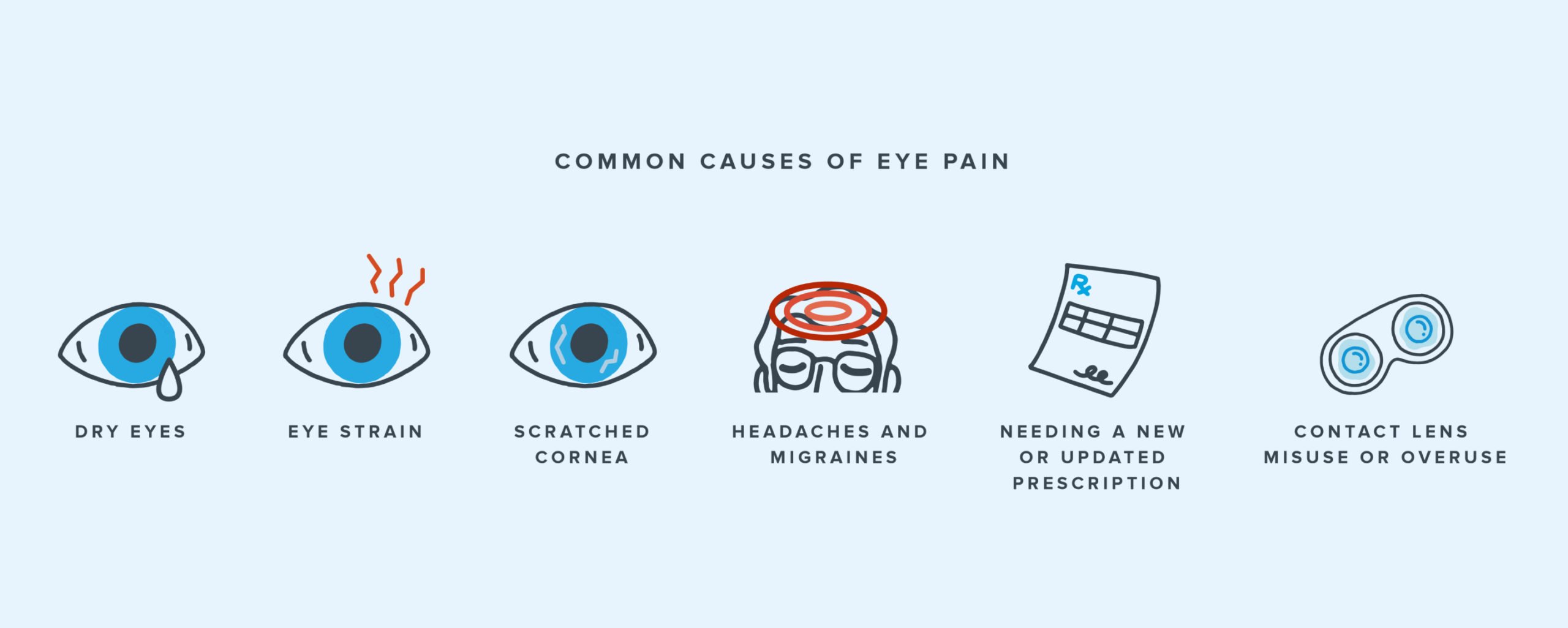
Frequent causes of pain with blinking include dry eyes, a stye, or conjunctivitis (pink eye). More concerning causes include glaucoma or inflammation of the optic nerve (optic neuritis).
| Possible cause | Additional symptoms and information |
| allergic conjunctivitis | Allergic reactions to things like pollen or mold can inflame the conjunctiva, the thin layer covering the eyeball and inside of the eyelids. This allergic conjunctivitis can lead to red, itchy, watery eyes and may be painful. |
| astigmatism | Astigmatism is an irregularity in the shape of the eye that causes blurred or distorted vision. It can also lead to eye discomfort and headaches. |
| blepharitis | Blepharitis is eyelid inflammation caused by clogged oil glands at the base of the eyelashes. It can produce swollen, itchy lids, watery eyes, redness, and a burning feeling. |
| chemical burns | Exposure to chemicals increases the risk of eye damage and pain. |
| cluster headaches | Pain from cluster headaches is often felt on one side of the head, behind the eye. These headaches can cause drooping, swollen eyelids and red eyes. |
| corneal scratches | The cornea is the clear front surface covering your pupil and iris. A scratch to the cornea can produce a burning or sharp pain when blinking. |
| corneal ulcer | Corneal ulcers are inflamed areas on the cornea. They can result from infection or an abrasion of the eye. |
| dry eyes | Tear production keeps blinking, movement, and vision comfortable. If tear production is insufficient, you may experience dry eye symptoms, including pain during blinking. |
| eye debris | A foreign particle in the eye can irritate the cornea or inner eyelid, causing pain when you blink. Even tiny items like an eyelash can cause notable discomfort. |
| eye injury | Scratching or otherwise injuring your eye will make blinking painful. |
| flash burns (welder’s burn or arc eye) | People exposed to welding arcs or who look at a bright sun can sustain corneal flash burns. |
| glaucoma | Glaucoma refers to conditions with increased fluid pressure inside the eye. While it often has few symptoms, a sensation of pressure can signal an emergency and needs prompt attention. |
| iritis | Iritis is inflammation of the iris, the colored part of the eye, and can cause pain and light sensitivity. |
| pink eye (conjunctivitis) | Pink eye is infection or inflammation of the outer eye membrane and inner eyelid lining, causing redness and sometimes pain. It’s contagious. |
| optic neuritis | The optic nerve carries visual information to the brain. Inflammation of this nerve can cause pain when moving the eyes or blinking and often stems from viral or bacterial infections. |
| stye | A stye occurs when a staph infection affects eyelash follicles or oil glands on the eyelid, causing swelling and pain with blinking. Styes can spread. |
| trauma to the face | Facial injuries, such as a fractured eye socket, can make blinking difficult and painful. |
| vision changes | Temporary or changing vision can be accompanied by pain. If you have blurred vision or difficulty seeing along with blinking pain, your vision may be changing. |
When to contact your doctor
See your doctor if symptoms don’t improve within 48 hours or if home measures aren’t helping and the pain intensifies. If the issue is more than a minor irritation or infection, prompt medical care is important.
Pain with blinking is often accompanied by other signs. If no clear injury or cause is apparent, additional symptoms can help you and your clinician identify the root problem.
These signs include:
- pain when moving your eyes
- a feeling of pressure inside the eyes
- redness or inflammation of the eyelid or lash follicles
- pain or sensitivity to bright light
- tenderness around the eyes or sinus area
When it’s an emergency
Seek immediate emergency care if you have any of the following when blinking:
- intense, unbearable pain
- significant vision loss
- severe pain when touching the eye
- nausea or vomiting
- seeing halos around lights
- inability to fully close the eyelids because the eye appears to bulge
If you have these signs, or if pain and symptoms persist after gently rinsing the eye with water or saline, call emergency services or go to an emergency department immediately.
Complications from untreated eye pain when blinking
Pain when blinking is not always a sign of a major condition. It can be bothersome without being dangerous. Still, taking appropriate treatment seriously is important.
If infections, injuries, or inflammation are left untreated, symptoms can persist or worsen and may lead to added complications.
Potential complications of inadequate treatment include:
- permanent damage to the cornea or eyelids
- lasting vision changes, including partial or total vision loss
- a spread of the infection to other areas
How clinicians diagnose blinking-related eye pain
If the cause of your eye pain isn’t clear, a clinician may run tests or perform an eye exam. A primary care doctor can treat many common causes like conjunctivitis, styes, and dry eyes.
Your primary care provider may refer you to an ophthalmologist if they suspect a more serious condition that requires specialized testing and care. Eye specialists have tools to measure internal eye pressure; if pressure is rising rapidly, an ophthalmologist can diagnose and start treatment quickly.
Treatments and home strategies for eye pain
Before recommending treatment, your clinician will identify the underlying cause of your eye pain and related symptoms. Treatment targets that cause so the symptoms stop.
Treatments fall into three broad groups: prescription medicines, over-the-counter products, and home remedies.
Possible prescribed treatments include:
- antibiotics to address bacterial infections
- medicated eye drops
- pain relievers such as nonsteroidal anti-inflammatory drugs (NSAIDs) like ibuprofen, and prescription ophthalmic NSAIDs such as diclofenac (Voltaren) or ketorolac (Acular)
- allergy medications
- steroid eye drops like prednisolone for severe inflammation
Over-the-counter products and at-home measures can also ease symptoms, but they shouldn’t replace professional care when an underlying condition needs treatment.
Eye relief tips
- Non-medicated lubricating eye drops can relieve dryness. Artificial tears (for example, artificial tears) are widely available at pharmacies.
- If a foreign object is in your eye, gently rinse it with sterile water or saline. Saline eye rinse is available at most drugstores.
- A warm compress can reduce pain and inflammation from a stye or eyelid infection.
To make a warm compress, soak a clean washcloth in warm water and hold it softly against the affected eye. Rewarm as needed by dipping it back into warm water. Launder the cloth in hot water afterward to reduce the chance of spreading contagious conditions like styes or conjunctivitis.
Keeping your eyes healthy
Eye pain is frequently temporary. But if typical remedies such as pain relievers, eye drops, or warm compresses do not bring improvement, contact your doctor. If symptoms quickly worsen or multiply, seek emergency care.
After your provider identifies the underlying cause, treatment can begin right away and is usually effective.
You can lower the risk of future eye problems by following these steps:



















Leave a Reply
You must be logged in to post a comment.