

Overview
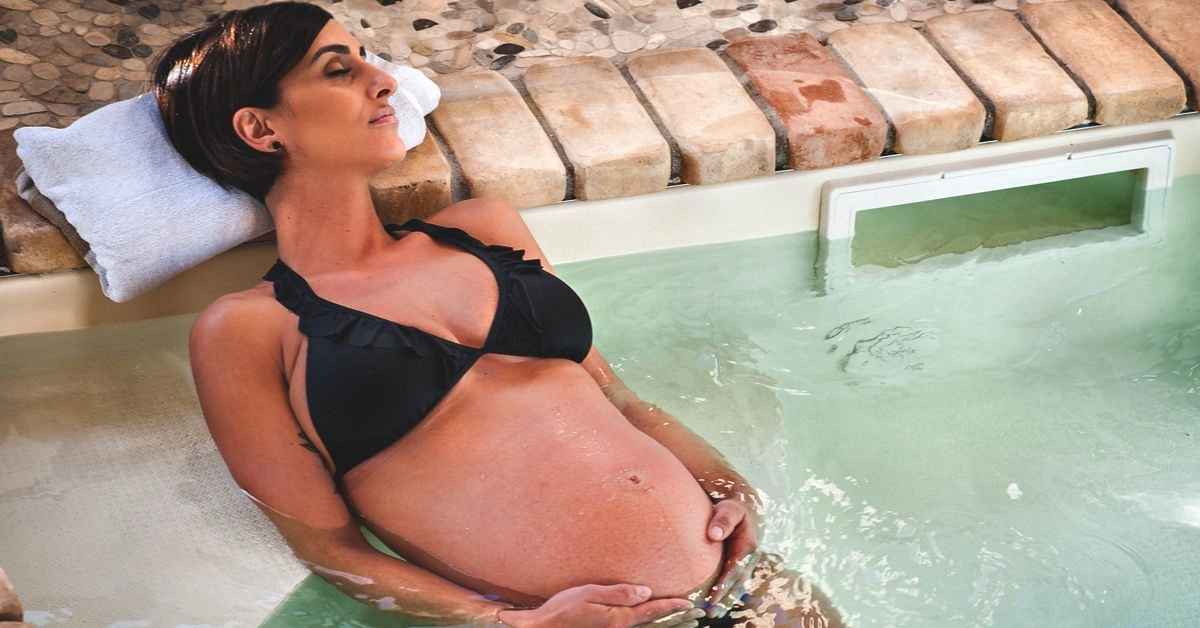
Soaking in a hot tub can feel like the perfect way to unwind after a long day. The comforting warmth of the water helps ease muscle tension, improve circulation, and promote overall relaxation. Because hot tubs are typically designed to accommodate multiple people, they can also offer a pleasant way to spend time with your partner, family, or friends.
However, during pregnancy, extra care is necessary. Many expectant mothers ask, Is 40 degrees celsius hot water in fahrenheit safe for pregnancy? Understanding temperature conversions and safety limits is essential before stepping into a spa or whirlpool.

Hot tub water should never exceed 104°F (40°C). Prolonged immersion in water at this temperature can quickly elevate your core body temperature. A significant rise in maternal temperature may lead to health concerns for both you and your developing baby.
For this reason, healthcare professionals generally agree that hot tub use during pregnancy should be approached cautiously, limited in duration, or avoided altogether—particularly in early pregnancy.
Hot tub water temperature and your body
Immersing yourself in water that is warmer than your natural body temperature—whether in a bathtub, hot spring, or spa—can cause your internal temperature to climb.
In pregnancy, your core body temperature should not exceed 102.2°F (39°C). Spending more than 10 minutes in a hot tub set at 104°F (40°C) can make reaching this threshold surprisingly easy.
This concern is especially critical during the first trimester. An elevated maternal temperature during early fetal development has been associated with birth defects, including brain and spinal cord defects. Even a modest increase in temperature at sensitive stages may pose risks.
A 2006 study published in Birth Defects Research reported that mild exposure to increased temperatures before the embryo implants in the uterus, and more significant exposure during the first trimester, could contribute to various birth defects and even pregnancy loss.
Additionally, a small 2011 study suggested potential risks related to hot tub use, particularly in the first trimester. Before using a spa early in pregnancy, it is wise to consult your healthcare provider to discuss your individual risk factors.
If you are unsure about temperature perception, you may benefit from reviewing resources such as Is 40 degrees Celsius hot water and How does 40 degrees celsius water feel, which explain how this temperature translates in practical, sensory terms. Knowing that 40°C equals 104°F helps clarify why this limit is medically significant during pregnancy.

Hot tub germs
Temperature is not the only concern. The warm, contained environment of a hot tub can allow harmful bacteria to multiply if maintenance is inadequate. Water that is not properly treated may harbor infectious organisms.
If you own the hot tub, ensure that you use the correct disinfectant and routinely test the water with pool test strips. Free chlorine levels should remain between 2 and 4 parts per million (ppm), while bromine levels should be maintained between 4 and 6 ppm. The pH should stay within the range of 7.2 and 7.8 to ensure both safety and comfort.
If you are using a public or shared hot tub, do not hesitate to ask staff about their sanitation procedures. Confirm that the water chemistry is checked consistently and that professional maintenance is performed.
Consider asking these practical questions before entering an unfamiliar hot tub:
- How many individuals typically use the hot tub each day?
- How frequently is the water drained and refilled?
- Is a certified hot tub service technician responsible for maintenance?
- Is the water tested at least twice daily using pool strips?
- How often is the filtration system replaced or serviced?
- What exact temperature is the water maintained at?
Using hot tubs safely during pregnancy
If you are in your first trimester, most healthcare providers advise avoiding hot tubs entirely. Even limiting exposure to under 10 minutes may not eliminate the risk, as individuals vary in how quickly their body temperature rises.
Instead of full immersion, consider relaxing alternatives. For example, soaking only your feet in warm (not hot) water while staying hydrated with a glass of lemon water can provide comfort without substantially increasing your core temperature. Even then, keep sessions brief.
If you are beyond the first trimester and have received approval from your doctor, you can reduce risks by following these precautions:
- Limit each session to no more than 10 minutes and allow sufficient time to cool down between soaks.
- If jets are operating, sit away from the main heat source, where the temperature may be slightly lower.
- If you begin sweating, exit immediately and cool off.
- Keep your chest above the waterline whenever possible; ideally, immerse only your lower body.
- If you feel dizzy, nauseated, lightheaded, or uncomfortable, get out right away and monitor your symptoms.
- Avoid hot tubs entirely if you have a fever.
When using a hot tub with others, consider requesting that the temperature be lowered. Even a small reduction below 104°F (40°C) can significantly decrease the likelihood of overheating while still providing a soothing experience.
Safe alternatives to hot tubs during pregnancy
A warm bath at home is generally considered a safer option than a hot tub during pregnancy. It can deliver muscle relaxation and stress relief without the same degree of temperature-related risk, provided the water is warm rather than hot.
The same principle applies: avoid very hot water. Monitor how you feel, remain well-hydrated, and exit the bath if you notice any discomfort.
Pregnancy also affects balance and coordination, particularly in the second and third trimesters. Use non-slip mats and move carefully when entering or exiting a tub to reduce the risk of falls.
If you enjoy the sensation of warmth, a brief foot soak can be another gentle alternative. By limiting water exposure to a smaller area of the body, you decrease the chance of raising your overall core temperature while still enjoying a calming routine.
Takeaway
Hot tubs should be avoided during the first trimester and whenever you have a fever. If you choose to use one later in pregnancy, do so cautiously, keep sessions short, and ensure the water temperature does not exceed 104°F (40°C).
Pay close attention to how your body responds, and always seek your doctor’s approval before using a hot tub while pregnant. Being informed about temperature safety—including understanding exactly what 40°C (104°F) means—can help you make safer choices for both you and your baby.
Q:
Are hot tubs dangerous throughout pregnancy, or only in the first trimester?
A:
Hot tubs present the greatest risk during the first trimester, when organogenesis occurs and fetal parts are forming. During this critical window, the developing baby is especially vulnerable to birth defects. That said, caution is advisable at every stage of pregnancy. Never allow the water temperature to exceed 104°F (40°C), and avoid prolonged exposure. Keeping the hot tub clean and properly disinfected further supports safety when these guidelines are followed.






















Leave a Reply
You must be logged in to post a comment.