What Temperature Kills Bacteria in Water and Food?

- What temperature kills bacteria in water?
- Additional tips for killing bacteria in water
- What temperature kills bacteria in food?
- Additional food safety tips
- Did you know?
- What else can help kill bacteria in your home?
- Killing bacteria on surfaces
- Killing bacteria on fabrics
- What about viruses?
- The bottom line
Bacteria typically begin to die at 149°F (65°C), yet bringing water to a rolling boil for at least one minute remains a reliable safety measure. The exact temperature required to eliminate bacteria in food varies depending on the specific type of food being prepared and handled.

Bacteria are microscopic, single-celled organisms that exist virtually everywhere — in soil, water, on surfaces, and even inside the human body. In fact, experts estimate that we carry 10 times more bacterial cells than human cells. While the majority of bacteria are harmless or even beneficial, certain strains can lead to illness. These harmful strains are known as pathogenic bacteria.
Examples of pathogenic bacteria include:
- the Salmonella species
- E. coli
- methicillin-resistant Staphylococcus aureus (MRSA)
Reducing your exposure to these organisms is key to lowering your risk of infection. Fortunately, there are effective methods to destroy pathogenic bacteria in drinking water, food, and on commonly touched household surfaces.
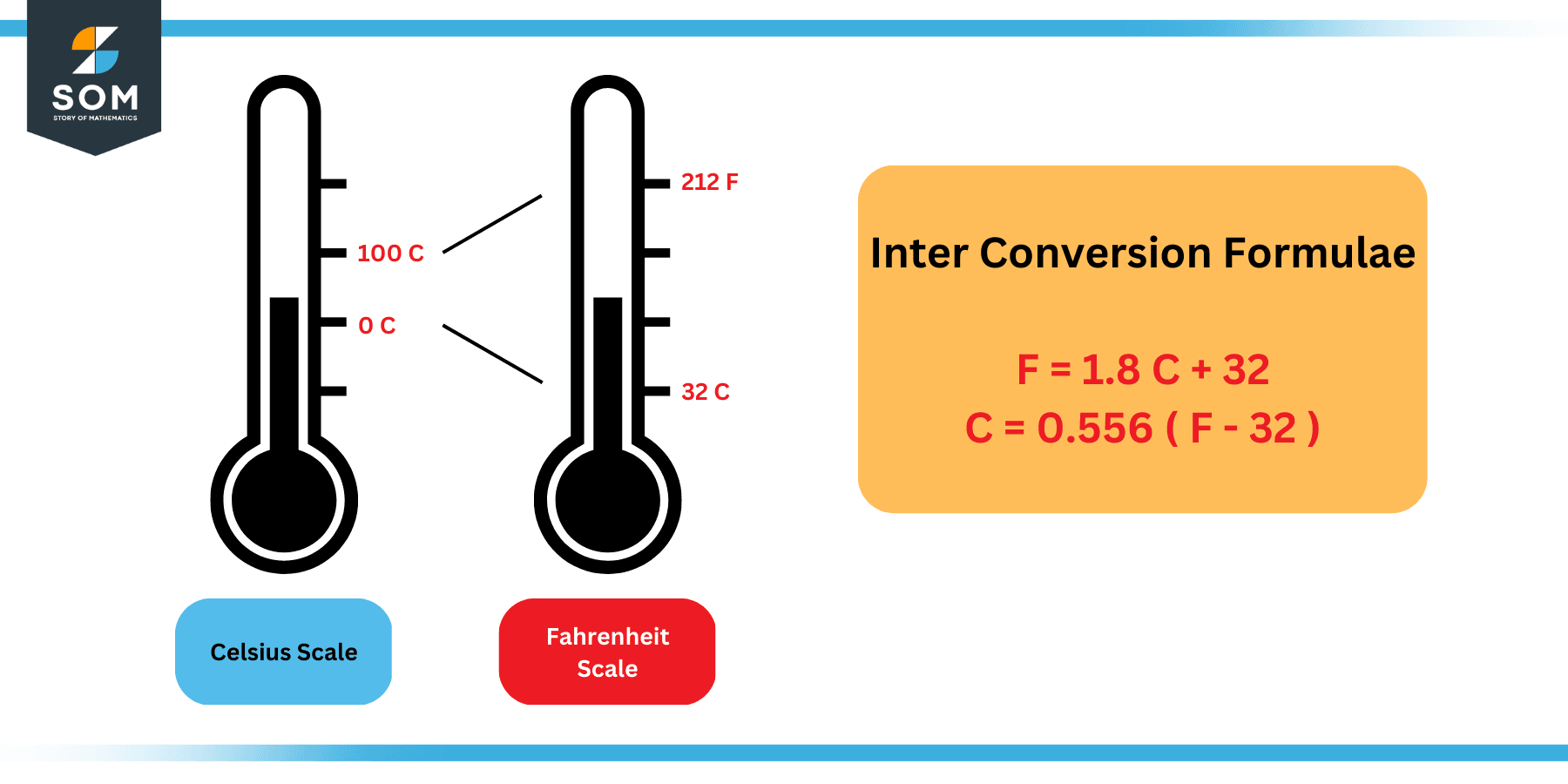
Understanding temperature conversion can also support safe food and water practices. For instance, questions like why is -40 celsius and fahrenheit the same? often arise when discussing temperature safety charts. Knowing how Celsius and Fahrenheit relate — and reviewing guides such as Is 40 degrees celsius hot in fahrenheit or Is 40 degrees celsius hot in fahrenheit fahren — can help ensure accurate interpretation of cooking and sanitation guidelines.
Below, we’ll explore the specific temperatures that kill bacteria and outline additional science-backed strategies to maintain a hygienic home environment.
What temperature kills bacteria in water?
Various disease-causing organisms, including bacteria, may contaminate water. Illnesses linked to contaminated water sources include:
- salmonellosis
- shigellosis
- gastroenteritis caused by E.coli as well as some Vibrio species
- dysentery
- typhoid fever
- cholera
Thanks to modern municipal water treatment systems, bacterial contamination is uncommon in many regions. However, risk may increase in certain situations, such as:
- interruptions in regular water service due to pipe damage or natural disasters
- traveling to areas where water quality is uncertain
- improperly treated, stored, or handled water
The World Health Organization (WHO) reports that bacteria are quickly destroyed at temperatures above 149°F (65°C). This is lower than the temperature of boiling water.

To ensure that pathogenic bacteria in water are fully eliminated, the Centers for Disease Control and Prevention (CDC) advises the following steps:
- If the water appears cloudy, allow it to settle or strain it through a coffee filter or clean cloth before boiling.
- Heat the water until it reaches a rolling boil, characterized by continuous, vigorous bubbling.
- Maintain the rolling boil for at least 1 minute.
- Remove from heat and allow the water to cool naturally.
- Store the cooled water in a sanitized, tightly sealed container.
Additional tips for killing bacteria in water
If boiling is not possible, household bleach can be used for emergency water disinfection:
- Choose regular, unscented chlorine bleach that is less than 1 year old. Confirm on the label that it contains sodium hypochlorite and is appropriate for disinfection.
- If the water is cloudy, let it settle or filter it first.
- Using a clean eyedropper, add the correct amount of bleach according to the Environmental Protection Agency (EPA) guidelines.
- Stir well and let the water stand for at least 30 minutes before use.
Commercial water purification tablets are another option. Always adhere strictly to the manufacturer’s instructions for safe and effective use.
What temperature kills bacteria in food?
Certain bacteria are common causes of food poisoning. In fact, an estimated 1 in 6 Americans experiences foodborne illness annually.
Foods frequently associated with bacterial contamination include:
- raw or undercooked poultry (Salmonella, Campylobacter)
- raw or undercooked meats (E. coli, Salmonella)
- raw or undercooked seafood and shellfish (Vibrio, Salmonella, Shigella)
- fresh produce (E. coli, Salmonella, Listeria)
- eggs (Salmonella)
- unpasteurized dairy products (Salmonella, E. coli, Campylobacter, Listeria)
Exposure to pathogenic bacteria in food can occur through:
- consuming raw or undercooked animal products
- eating unwashed fresh produce
- drinking unpasteurized milk or dairy
- leaving perishable foods at room temperature too long
- inadequate hand hygiene or cross-contamination during preparation
Bacteria multiply rapidly between 40 to 140°F (5 to 60°C) , often referred to as the “danger zone.” Cooking food to the correct internal temperature is essential to destroy harmful bacteria.
According to the CDC , safe minimum internal temperatures include:
- poultry, whole or ground: 165°F (74°C)
- whole cuts of meat (beef, pork, lamb, or veal): 145°F (64°C)
- ground meats: 160°F (71°C)
- fresh ham: 145°F (64°C)
- fish: 145°F (64°C) or until opaque
- leftovers or casseroles: 165°F (74°C)
Additional food safety tips
- Wash your hands. Clean hands thoroughly before and after handling food, especially raw meat.
- Prevent cross-contamination. Store raw meats separately and use dedicated cutting boards.
- Sanitize surfaces. Wash utensils and countertops after contact with raw ingredients.
- Refrigerate promptly. Do not leave perishable foods out for more than 2 hours.
- Rinse produce. Wash fruits and vegetables under running water before use.
- Thaw safely: Thaw frozen foods in the refrigerator or microwave, not on the countertop.
Did you know?
Certain bacteria known as thermophiles thrive in extremely hot environments. These “heat loving” organisms grow best between 113 to 176°F (45 to 80°C) and are commonly found in hot springs and deep-sea hydrothermal vents. Importantly, thermophiles are not harmful to humans.
What else can help kill bacteria in your home?
Killing bacteria on surfaces
Frequently touched household surfaces can harbor pathogenic bacteria. While general cleaners reduce dirt and some microbes, disinfectants are specifically formulated to kill bacteria.
Effective disinfectants may include:
- products containing ethanol or isopropyl alcohol
- household bleach
- products with ammonium compounds
For safe and effective disinfection:
- Follow label directions. Use the recommended amount and allow proper contact time.
- Wear protective gloves. This helps prevent skin irritation.
- Ensure ventilation. Open windows if fumes are strong.
- Target high-touch areas. Focus on doorknobs, light switches, faucet handles, countertops, and railings.
- Clean before disinfecting. Remove visible dirt with soap and water first.
- Avoid mixing chemicals. Combining bleach and ammonia can produce dangerous fumes.
- Handle electronics carefully. Use alcohol-based wipes if manufacturer instructions are unavailable.
Additionally, exposure to natural sunlight may reduce bacteria on indoor surfaces. A 2018 study indicated that sunlight can decrease certain bacterial populations in household dust.
Killing bacteria on fabrics
Bacteria can also survive on textiles such as clothing, towels, and bedding. Routine washing and drying typically lowers bacterial levels, but higher-risk items require extra care.
Examples of high-risk fabrics include:
- healthcare uniforms
- kitchen towels used in food preparation
- shared bath towels
- athletic clothing
- fabrics contaminated with vomit, feces, or wound drainage
To sanitize these items:
- Wash separately from regular laundry and wash hands afterward.
- Use hot water — 140°F (60°C) — along with a bleach-based detergent.
- Tumble dry immediately after washing. A 2014 study showed that high-temperature drying significantly reduces bacteria.
What about viruses?
Viruses are even smaller than bacteria and consist of RNA or DNA enclosed in a protein shell, sometimes surrounded by an envelope. Unlike bacteria, viruses require a host cell to replicate.
Common viral illnesses include:
- the common cold
- the flu
- COVID-19
- measles
- HIV infection
- viral hepatitis
Many viruses are sensitive to environmental conditions such as heat and humidity. Some survive outside of the human body only briefly, while others may persist longer under favorable conditions.
Eliminating viruses generally involves the same hygiene principles used for bacteria:
- disinfecting surfaces
- boiling potentially contaminated water
- cooking foods to recommended internal temperatures
The bottom line
Although most bacteria are harmless, pathogenic bacteria can cause disease. Heat is one of the most reliable methods to destroy these organisms.
You can reduce infection risk by:
- boiling potentially contaminated water
- cooking food to safe internal temperatures
- washing high-risk fabrics in hot water and tumble drying
Disinfectants such as bleach or alcohol-based products also help eliminate bacteria on household surfaces. Always follow product instructions carefully to ensure both safety and effectiveness.
FAQ
The scales intersect at -40° because the conversion formulas are linear and designed to align at this point. Setting the conversion equation F = (9/5)C + 32 equal to C and solving yields C = -40.
Bacteria are quickly destroyed above 149°F (65°C). For complete safety, the CDC recommends bringing water to a rolling boil for at least one minute.
Poultry, whether whole or ground, must be cooked to a minimum internal temperature of 165°F (74°C) to ensure harmful bacteria are eliminated.
Use regular, unscented chlorine bleach containing sodium hypochlorite. Follow EPA guidelines for the correct amount, stir, and let it stand for at least 30 minutes before use.
Bacteria multiply rapidly between 40°F and 140°F (5°C to 60°C). Perishable foods should not be left in this temperature range for more than two hours.
Read Next

Yoga for Endometriosis: Try These Stretches to Relieve Pain
Throat Spray User’s Guide

How Many Carbs Are in Various Types of Sausage?

9 Causes for Throat Clearing and How to Make It Stop
EGCG (Epigallocatechin Gallate): Benefits, Dosage, and Safety

How Rear Lateral Raises Can Benefit Your Workout Routine
Related Posts

Side Effects of Brixadi: What You Need to Know
Aug 28, 2026 • 19 min readSide Effects of Eligard: What You Need to Know
Aug 14, 2026 • 4 min read
Is the Pain in My Tailbone Cancer?
Aug 21, 2026 • 26 min read
Seed Probiotics Review 2025: A Dietitian’s Take
Aug 24, 2026 • 23 min read
Planning for a Gentle Cesarean Birth
Aug 11, 2026 • 12 min read