
Wait, Why Can’t They See It?
Have you ever opened up your imaging report, spotted a phrase like “pancreatic tail is obscured by bowel gas,” and just… stared? Maybe your stomach dropped for a second. “Is this a big deal?” “Do I need to panic?” Or maybe you—like a lot of us—shrugged it off and thought, well, doctors know what they’re doing…right?
You’re not weird for asking. Honestly, it’s super common. I remember the first time I saw those words on my friend Jen’s scan. She texted me a photo of her report: “What the heck does this mean?” I laughed, not because it was funny, but because it felt so mysterious and dramatic for something that—spoiler!—turns out to be more “normal” than you’d think.
But the fear is real: “Did they miss something serious because of this?” Let’s have a real talk about what’s actually going on, why your scan might look a little, well, foggy… and what you’re supposed to do next. I promise, no jargon overload, just honest explanations and the kind of advice you’d get from a friend who’s a little obsessed with health stuff.
Meet the Sneaky Culprit: Bowel Gas
Okay, here’s the thing nobody brags about: we all have bowel gas. Everyone. It’s just one of those totally normal leftovers from eating, digesting, and living life. Intestinal gas is what makes your belly sometimes rumble, or what can make you super proud or slightly embarrassed, depending on the situation.
Most days? It doesn’t matter at all. But sometimes, when doctors try to peek inside you with fancy machines—especially ultrasounds—the gas gets in the way, scattering those sound waves and making it impossible to see what’s underneath. If you’re a fan of metaphors, picture trying to look through a fogged-up bathroom mirror after a hot shower. No matter how fancy your mirror, you still can’t see your face until the steam’s gone.
That’s essentially what happens with something like “pancreatic tail is obscured by bowel gas.” The view is just… blocked. Your real pancreas is in there, working hard, but all the doctor sees is fog.
But Why the Pancreatic Tail?
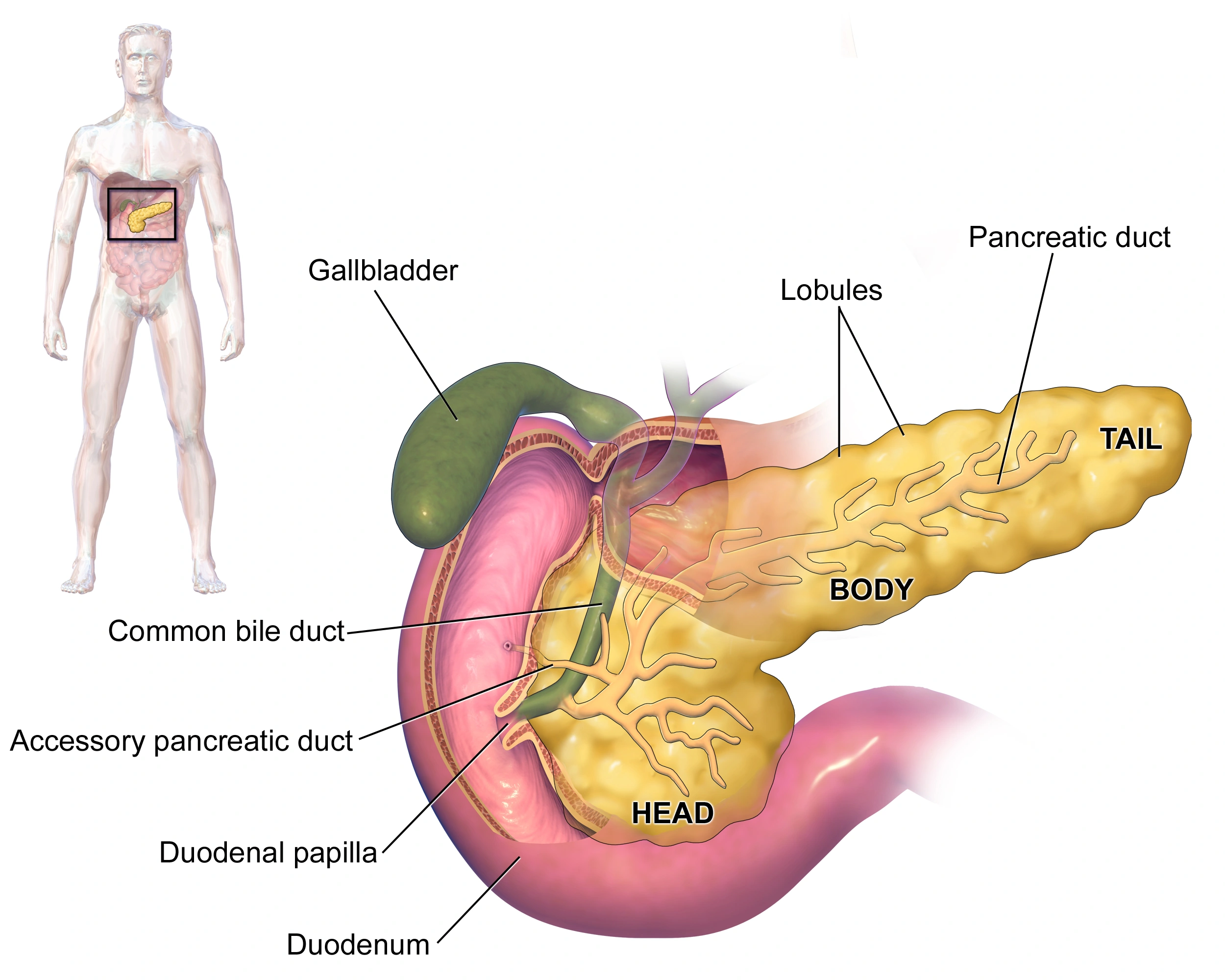
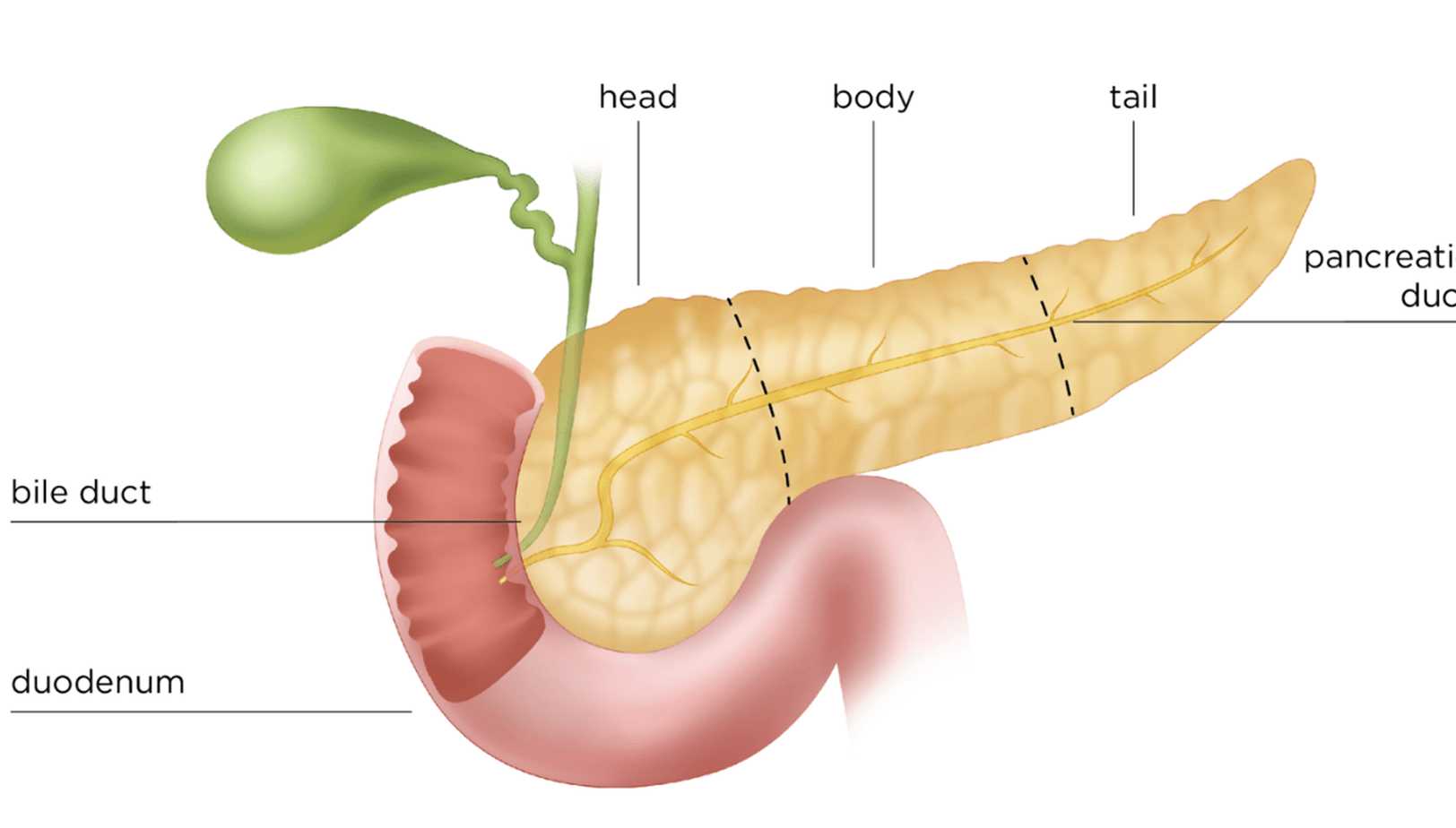
Why does this always seem to involve the tail of the pancreas, specifically? Good question. Your pancreas is this soft, squishy organ hiding behind your stomach and the loops of your gut. The “tail” is the bit that stretches way over to your left side, near your spleen. It’s practically snuggled up inside a net of your intestines. So, if there’s a build-up of gas, guess where it sits? Right over that precious pancreatic tail, making it hard for sound waves (from the ultrasound) to get through according to Healthline’s breakdown of overlying bowel gas.
That’s the catch: The pancreatic tail is obscured by bowel gas not because there’s anything wrong with your pancreas, but because your gut is just being… your gut.
Quick True Story!
My cousin, Ben, got that exact phrase on his report after complaining of some stomach pain. He panicked, thinking it meant something terrible. But when his doctor saw it, she laughed and told him she sees it almost every week. Turns out, Ben had a big breakfast before his appointment—eggs, beans, toast, AND sparkling water. He basically set up a fog machine in his own belly.
So…Should I Worry?
Alright, let’s get to what you really want to know. Is this phrase some medical code for “bad news?” Does it mean they missed something serious?
In most cases—relax. It’s really common, especially if you’re a little gassy, or if the scan happens after you’ve eaten, during stress, or you just naturally have a lot going on in your gut. Doctors see this so often; it’s almost like a running joke. On Practo, multiple doctors reassure people that it’s usually not alarming at all—it’s just your anatomy, and probably your lunch, getting in the way.
But—and you knew a but was coming—sometimes it can hide something the doctors want to see. Pancreas problems (think: inflammation, cysts, tumors, or rarely, cancer) can lurk right in the bit they can’t check because of the gas. That’s why it’s not just “routine doctor stuff”; it’s a quirky little roadblock that sometimes means they need to dig deeper.
Foggy Scans: When to Dig Deeper
Here’s where a little storytelling comes in. Let’s say your scan turns up this finding, but you’re feeling healthy—no weird symptoms, appetite’s fine, weight’s steady, energy’s good. Your doc will likely say, “Let’s not sweat it. If you feel off, let’s talk again.”
But if there are symptoms—nasty pain after meals, unexplained weight loss, yellowing of the skin (jaundice), or you just feel “wrong”—it’s a different story. Like what happened in one memorable NHS case where doctors missed a serious diagnosis because the pancreas was, you guessed it, hidden behind gas for multiple appointments. Not common, but it happens.
So, when in doubt, push for a better look. Don’t feel weird about being persistent. If you’re still having stomach pain, digestive drama, or stuff that just won’t go away, speak up. Ask your doctor straight up: “With the pancreatic tail obscured by bowel gas, should we try a different test?”
It’s not about being paranoid. It’s about being your own best advocate.
Comparing the Main Imaging Players
| Test | Pro | Con for Pancreas |
|---|---|---|
| Ultrasound | Quick, safe, no radiation | Gas blocks the view, especially of the tail |
| CT Scan | More detail, less gas interference | Radiation, cost, not always first line |
| Endoscopic Ultrasound (EUS) | Super detailed, biopsy possible | Requires sedation, more invasive |
So, if your doctor wants to try a CT or EUS after a foggy ultrasound, it’s not because they’re being dramatic—it’s because those scans can slip right past the gas and get the whole story. Pancreas obscured by bowel gas treatment often includes switching imaging methods for persistent pain, unexplained symptoms, or if there’s a previous health scare.
Just don’t skip your follow-ups; scans are a team effort, and sometimes the first trial isn’t the last.
What Can You Do About It?
This is my favorite part: stuff you can actually control. Sometimes, a few small tricks can help the doctor get a clearer view next time. (And a quick side benefit: most of these tips just help you feel better, scan or no scan.)
Tips to Reduce That Gas Before Your Scan
- Go easy on fizzy drinks (yes, even your beloved carbonated water)
- Dial down high-fiber foods 24 hours pre-scan
- Try to fast for 6–8 hours if your doctor says it’s ok
- Walk a little before your appointment to help move gas along
- Simethicone tabs (those anti-gas OTC meds) actually help—ask if you should take one ahead of time
A hint from a radiologist’s assistant I know: “If you’re nervous, your body’s uptight and moves slower… sometimes the gas just piles on. Try a little deep breathing and keep your schedule relaxed if possible before your scan.” True story: My friend Kira finally got a clear ultrasound on try #3—she skipped her “stress latte” and breakfast, nailed the scan, and celebrated with pancakes afterwards.
Oh, and if you’re pregnant, just know you get a double whammy—hormones naturally slow your digestion, so gas is basically part of the pregnancy starter kit according to research on Healthline. Might as well embrace it.
Everyday Life: Less Gas, More Comfort
This foggy-scan problem is annoying, but honestly, it’s an excuse to pay a little extra attention to your whole digestive deal. Even when you’re not getting medical selfies, these tweaks help.
- Eat slower. Like, way slower than you think is normal.
- Chew, chew, chew. (Seriously, chomping your salad is not glamorous, but it helps.)
- Try gentle yoga—those twisty poses work like nature’s defogger.
- Keep an eye on foods that set off your personal gas-o-meter (everyone has something different—beans, dairy, whatever).
And stress? It spikes your symptoms, every time. Not kidding—track yours for a week. See how your gut acts up on tough days? No scan sees your stress, but wow, does it affect your digestion.
If you’re making these changes and still feeling off, or you want something even more actionable, check out pancreatic tail is obscured by bowel gas. There’s friendly advice on daily tweaks, plus all the nerdy stuff on how the whole gas thing works if you want to dig deeper.
Sometimes, just remembering that you can play defense—tracking your triggers, asking smart questions, not being “pleasantly passive” at appointments—makes you realize half of health is about staying curious.
Missing the Obvious: Why Advocacy Matters
Alright, don’t zone out yet! There is one thing the “pancreatic tail is obscured by bowel gas” finding keeps teaching me: even doctors, talented as they are, sometimes miss stuff if the images aren’t crystal clear. The stories aren’t just Google-bait either. There was that NHS case where cancer hid right in the obscured bit for months on end. And I know two people—real people, not urban legends—who pushed for second opinions, finally got a CT or EUS, and found issues that ultrasounds totally missed.
That’s not to scare you, but to remind you that advocating for your health is not overreacting—it’s just being wise.
Reading about Pancreas obscured by bowel gas treatment gives more background on why switching imaging is routine, not rare, especially if you check a lot of other risk-factor boxes (family history, chronic pancreatitis, etc.).
Wrapping Up: Don’t Ignore Your Gut (In More Ways Than One)
Whew… so, you survived the crash course! “Pancreatic tail is obscured by bowel gas” is not an automatic crisis. It is your body’s way of telling you it’s full of life—digestion, gas, all of it. Most of the time, doctors aren’t worried. They’ve seen it a hundred times before lunch. It just means the scan’s foggy, not that you are doomed.
But—and here’s where I do the gentle nudge thing—if you feel off, if you have new symptoms, or if something in your gut (pun intended) says “hmm, not right,” don’t sweep it under the rug. Ask for extra tests. Track your symptoms. Print this article for a friend who’s spiraling because they googled too much.
For the control-freaks and health worriers among us, try some gas-busting tricks before your scan. And if you got this finding—especially more than once—take a peek at pancreatic tail is obscured by bowel gas and Pancreas obscured by bowel gas treatment for steps you can actually use, not just medical-speak.
So, what’s your gut telling you today? Literally and figuratively. Are you more relieved now? Hungry for a bean-free lunch? Or ready to call your doc with a list of questions? Drop your thoughts in the comments, or just start with one small self-care habit. Your gut—and your future scans—will thank you.





















Leave a Reply
You must be logged in to post a comment.