
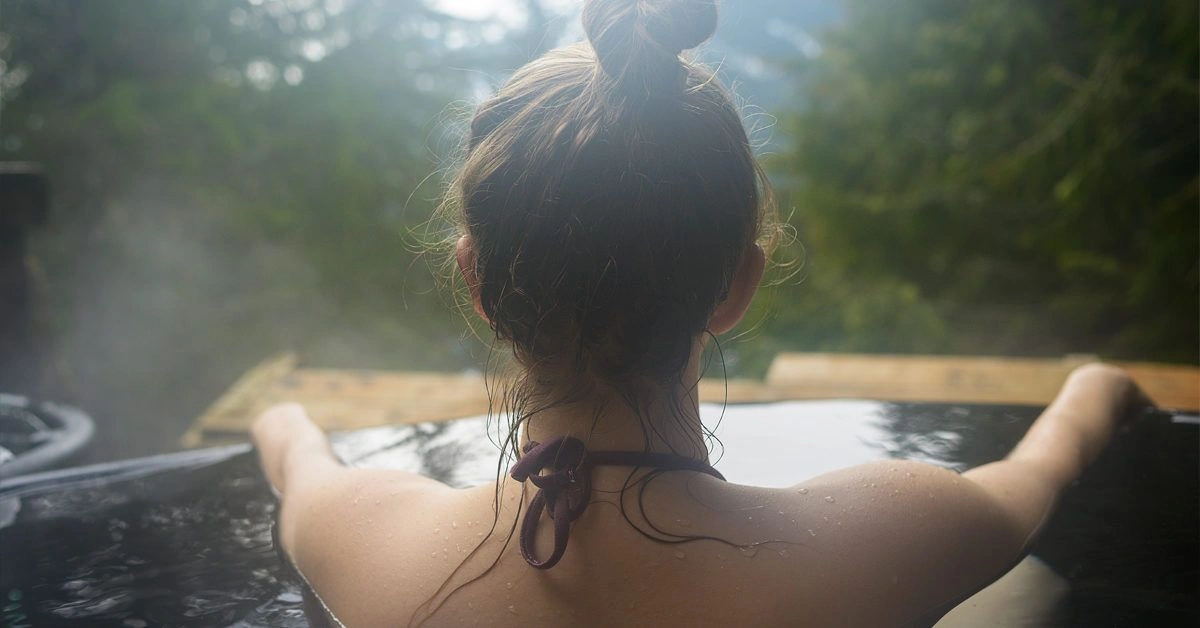

Depending on how well you handle temperature extremes, plunging your body into hot water and then shifting to an icy cold bath may feel either refreshing or downright uncomfortable.
Contrast hydrotherapy is a technique that alternates between warm and cold water immersion. It has gained popularity among athletes and active individuals who report quicker recovery and reduced soreness after training or competition.
But how does 40 degrees celsius water feel in this setting, and what role does temperature actually play in recovery? Below, we explore the physiology and scientific evidence behind this widely used therapeutic method.
How does contrast bath therapy work?
The foundation of contrast bath therapy lies in the rapid circulatory shifts that occur when your body moves between hot and cold environments.
When you place part or all of your body into cold water, tiny blood vessels known as capillaries react by narrowing. This process is called vasoconstriction.
In contrast, immersion in warm water produces the opposite effect. Blood vessels widen, a response referred to as vasodilation. For many people wondering how does 40 degrees celsius water feel, this temperature (104°F) is typically experienced as very warm but still tolerable for short therapeutic exposure. You can learn more about Is 40 degrees Celsius hot water and how it compares to other bathing ranges.

Water temperature also influences heart rate. Studies indicate that exposure to cold water can elevate heart rate, while hot water tends to slow it.
What do these vascular and cardiac responses accomplish? Rapidly alternating between warm and cold immersion creates a rhythmic opening and closing of blood vessels, somewhat like a pumping mechanism. Supporters of contrast therapy believe this circulatory “pumping” may assist in easing symptoms associated with certain musculoskeletal injuries.
What are the science-backed benefits?
Contrast bath therapy is classified as a passive treatment. Aside from mild movements you may perform in the water, it doesn’t require active muscle engagement or structured exercise.
Research suggests that active rehabilitation strategies are generally more effective than passive ones, particularly for pain control. Therefore, contrast hydrotherapy is best viewed as a complementary tool rather than a standalone solution.
Still, scientific findings point to several potential advantages in specific contexts.
Reduces fatigue
Athletes, especially those involved in team sports, may notice less fatigue after using contrast hydrotherapy post-competition.
A 2017 meta-analysis found that alternating hot and cold immersion helped team sport athletes recover from fatigue within 24 to 48 hours after a match. Cold water immersion alone did not demonstrate the same level of benefit.
This suggests that the temperature contrast—not just cold exposure—may contribute to improved post-exercise recovery and perceived energy restoration.
Decreases muscle soreness
High-intensity workouts create microscopic damage to muscle fibers. The resulting discomfort, known as delayed onset muscle soreness (DOMS), typically peaks 24 to 72 hours later.
In elite athletes, researchers assessed DOMS and muscle strength following demanding exercise sessions. They found that contrast bath therapy reduced both soreness and muscle weakness more effectively than passive rest alone.
Two important observations were made:
- Optimal results were seen when the hot water temperature remained below 104°F (40°C). If you are unsure Is 40 degrees celsius hot water in fahrenheit, it equals 104°F—commonly used as an upper therapeutic limit.
- Other recovery strategies, including cold water immersion alone, appeared similarly effective for relieving DOMS symptoms.
Understanding how does 40 degrees celsius water feel during immersion can help ensure the temperature stays therapeutic rather than harmful.
Removes excess lactic acid
During vigorous physical activity, lactic acid naturally accumulates in the body. While this is a normal metabolic process, increased levels may contribute to sensations of fatigue and muscle discomfort.
Symptoms of lactic acid buildup can often be relieved through hydration, adequate rest, magnesium supplementation, and gradual cool-down routines.
Two studies conducted in 2007 also demonstrated that contrast bath therapy may help lower lactic acid levels, potentially speeding recovery after strenuous exercise.
Decreases swelling
Injury triggers inflammation, which is part of the body’s natural healing response. Fluid and white blood cells move into the affected area, often leading to noticeable swelling and pressure-related pain.
Some evidence indicates that alternating hot and cold immersion may reduce swelling. A 2016 study involving 115 participants with ankle sprains found that contrast hydrotherapy reduced swelling approximately 3 days after injury.
This reduction in edema may support mobility and comfort during early rehabilitation phases.
How to do it
Contrast bath therapy is commonly administered under the guidance of a physical therapist or athletic trainer.
In a clinical rehabilitation environment, you may alternate between two whirlpools or specialized tubs for full-body immersion. In other cases, only the injured limb is submerged as part of a localized treatment protocol.
Your therapist might also recommend gentle range-of-motion exercises while you are in the water to promote circulation and flexibility.
Although professional supervision is ideal, some individuals choose to perform contrast therapy at home. Before starting, consult your doctor to confirm it is appropriate for your health status.
You will need:
- Two containers or tubs large enough to immerse either your whole body or the affected area
- A thermometer to accurately measure water temperature
- Towels for drying between immersions
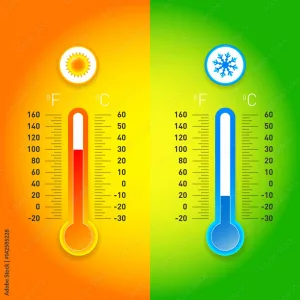
The cold water should range between 50–59°F (10–15°C), while the hot water should stay between 95–113°F (35–45°C). Many people curious about how does 40 degrees celsius water feel will find it distinctly hot but generally safe for short intervals if monitored carefully.

A meta-analysis reported that 95 percent of contrast therapy protocols used temperatures within these ranges. Using a thermometer is essential to prevent accidental burns or excessive cold exposure.
After preparing the baths, follow these steps:
- Immerse your entire body or injured area in warm water for 1 to 3 minutes.
- Immediately switch to cold water for 1 minute.
- Repeat the sequence for about 20 minutes, finishing with cold immersion.
Always monitor your skin for signs of excessive redness, numbness, or discomfort during the session.
Are there risks?
The main risk associated with contrast bath therapy is skin injury due to extreme water temperatures. Water that is too hot can cause burns, while excessively cold water may damage tissue or trigger adverse reactions.
In some individuals, sudden temperature shifts can provoke heart arrhythmia.
Contrast hydrotherapy is not appropriate for everyone. Speak with your healthcare provider before attempting it, especially if you plan to immerse most of your body. This is particularly important if you have:
- Open wounds
- Heart issues
- High blood pressure
- Deep vein thrombosis
People with circulatory disorders or impaired sensation should exercise additional caution, as they may not accurately perceive how does 40 degrees celsius water feel or detect early warning signs of tissue damage.
The bottom line
Contrast bath therapy involves short, repeated immersions in alternating warm and cold water.
Evidence supports its use for reducing muscle fatigue, minimizing pain and swelling, and lowering lactic acid levels after intense physical activity. It is best used as a supportive recovery strategy alongside active rehabilitation techniques.
You may undergo contrast hydrotherapy under professional supervision or try a carefully monitored version at home. The typical approach involves soaking in warm water for 1 to 3 minutes, switching to cold water for 1 minute, and repeating several cycles.
Because certain medical conditions increase risk, consult your doctor before beginning contrast bath therapy on your own. Proper temperature control and awareness of how your body responds are key to using this technique safely and effectively.
















Leave a Reply
You must be logged in to post a comment.