What Can Cause Pain in Your Breast and Armpit?


There are many potential reasons for discomfort in the breast and armpit area. Among the most frequent are hormonal fluctuations, wearing a poorly fitted bra, or experiencing a muscle strain.

Most people deal with occasional aches and discomfort. One form you might notice is breast pain that radiates to, or includes, the armpit region. For some women, this may even feel like Sudden sharp pain under right breast female, which can understandably cause concern.
There are several explanations for this type of pain. However, when it arises, it can be challenging to pinpoint the exact source or determine whether it signals something serious.
In the sections below, we’ll review common causes of breast and armpit discomfort, the symptoms that often accompany each condition, and when it’s important to consult a healthcare professional. We’ll also touch on related concerns, such as Which organ is under the right breast and Pain under right breast bra line, to provide broader context.

About breast and armpit pain
Breast pain can develop for many different reasons. In some cases, the discomfort may extend toward the armpit or underarm area.
It’s important to emphasize that this type of pain does not affect only women. Individuals of all genders can experience breast and armpit pain.
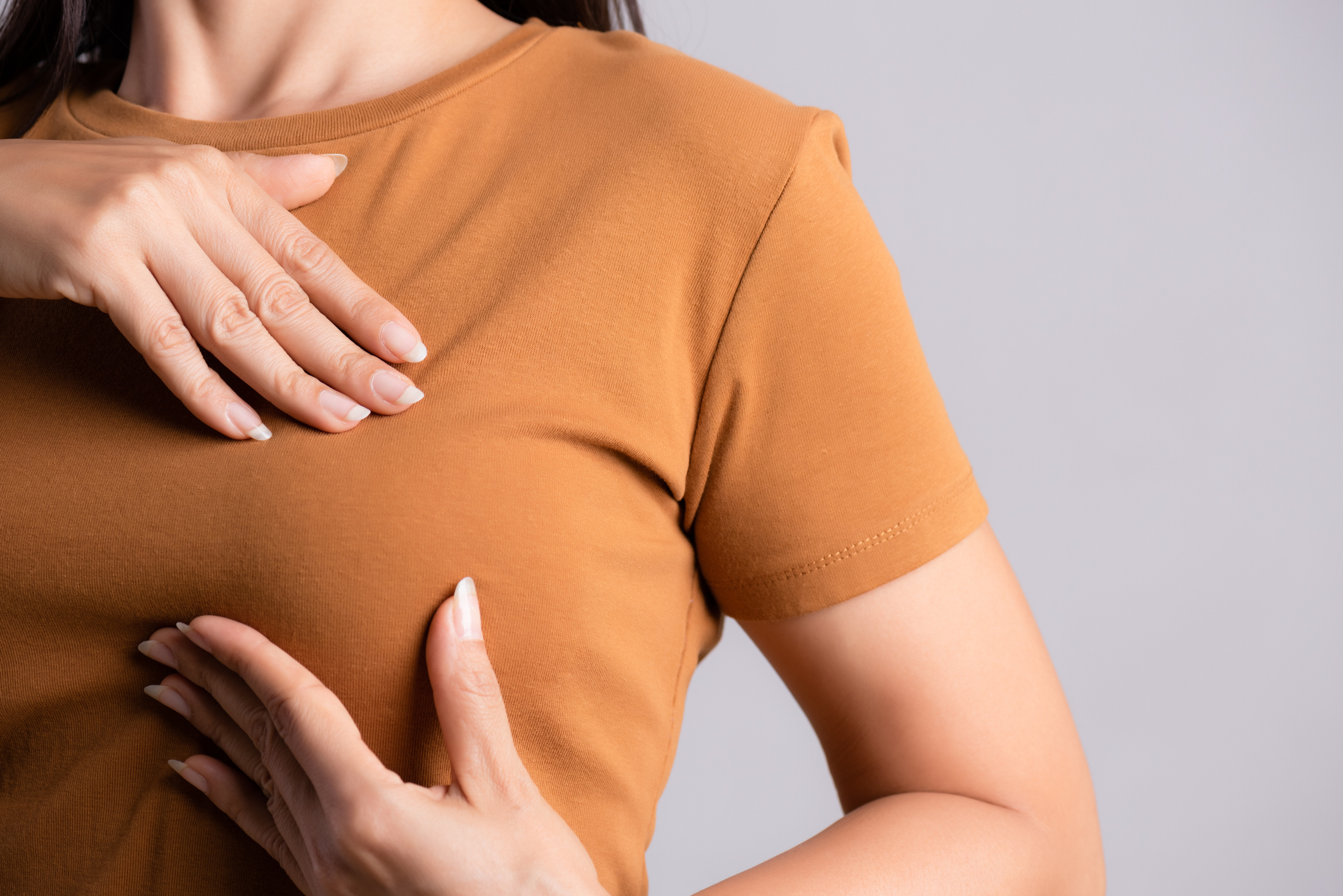
However, people assigned female at birth generally experience two primary categories of breast pain: cyclic and noncyclic breast pain.
Cyclic breast pain
Cyclic breast pain is linked to the menstrual cycle. It typically involves swelling and tenderness in both breasts and can spread into the underarm region. Some women may describe this as Sudden sharp pain under right breast female during certain phases of their cycle, although it more often presents as a dull, aching sensation.
This discomfort usually begins about a week before menstruation and then improves as the period progresses. In people assigned female at birth, most breast pain is cyclic in nature and tied to hormonal shifts.
Noncyclic breast pain
Noncyclic breast pain does not follow a menstrual pattern and may occur at any time.
Unlike cyclic discomfort, which is more generalized, noncyclic pain is often sharper and localized to one specific area of the breast. In some cases, this can feel like a sudden stabbing or burning pain beneath one breast.
What can cause pain in the breast and armpit?
Below are common causes of breast and armpit discomfort. For each condition, we’ll highlight additional symptoms to watch for and outline possible treatment approaches.
Hormone changes
Fluctuations in hormone levels can trigger breast pain that extends into the armpit. Situations where this may happen include:
- before your period
- during menopause
- during early pregnancy
- when using hormone-based medications such as oral contraceptives (birth control) or hormone replacement therapy (HRT)
Hormone-related breast and armpit discomfort is often described as dull, heavy, or aching and usually affects both sides. The breasts may also feel swollen and sensitive to touch.
To relieve this type of pain, you can try:
- wearing a well-fitting, supportive bra
- using over-the-counter (OTC) medications like acetaminophen (Tylenol) or ibuprofen (Advil, Motrin)
- placing a warm compress on the sore area
- limiting caffeine intake
- considering vitamin E or evening primrose oil supplements
Ill-fitting bra
A bra that doesn’t fit correctly can do more than cause minor irritation. Over time, it may contribute to breast and armpit pain.
This issue is quite common. Research suggests that about 80 percent of women wear the wrong bra size. Approximately 70 percent wear bras that are too small, while 10 percent wear bras that are too large.
If you frequently experience Sudden sharp pain under right breast female near the bra line, an improper fit could be a contributing factor. A professional bra fitting—especially at a retailer specializing in lingerie—can help ensure better support and reduce strain.
Mastitis
Mastitis occurs when breast tissue becomes inflamed or swollen. It is most common in people who are breastfeeding and typically results from milk buildup or a bacterial infection.
Pain in the affected breast is a key symptom and may extend into the armpit, depending on the location. Other signs of mastitis include:
- redness or swelling of the breast
- skin that feels warm to the touch
- a firm or hardened area in the breast
- pain or burning during breastfeeding
If a bacterial infection is involved, additional symptoms may include:
- fever or chills
- fatigue
- body aches
- swollen lymph nodes
- malaise
Treatment options include:
- OTC medications such as acetaminophen or ibuprofen for pain and inflammation
- warm compresses
- adequate fluid intake
- antibiotics if a bacterial infection is confirmed
Breastfeeding can usually continue during recovery and may even help clear the blockage more quickly.
Muscle strain
Strained muscles in the chest, shoulders, neck, or back can cause pain that feels like it originates in the breast or armpit.
- chest
- neck
- shoulders
- back
This discomfort is generally dull and aching on the injured side and may intensify with movement of the arm, torso, or shoulder.
Relief strategies include OTC pain relievers and the RICE method:
- Rest. Avoid movements that aggravate the injury.
- Ice. Apply an ice pack wrapped in a towel for about 20 minutes several times daily.
- Compression. Use a supportive bandage if appropriate.
- Elevation. Keep the affected area elevated when possible.
Swollen lymph nodes
Lymph nodes are small, bean-shaped structures that are part of the lymphatic system. They help filter harmful substances and carry immune cells. Clusters of lymph nodes are located throughout the body, including the armpits.
They often enlarge in response to infection, such as mastitis or mono. Less commonly, swelling may result from cancer or autoimmune disease. Swelling of lymph nodes in the armpit is known as axillary lymphadenopathy.
An enlarged lymph node may feel tender or painful when touched. If infection is present, symptoms like fever, chills, or fatigue may also occur.
Treatment focuses on addressing the underlying cause. Warm compresses and OTC pain medications can ease discomfort.
Breast cysts
Breast cysts are fluid-filled sacs that can form within breast tissue. They are usually round or oval and may feel like a distinct lump. According to breastcancer.org, about 25 percent of all breast lumps are cysts.
Cysts can cause tenderness or pain in or around the breast, particularly before menstruation. They are sometimes associated with fibrocystic changes, where surrounding tissue feels thickened or firm.
Most cysts are benign and do not require treatment unless they become large or painful. In such cases, a doctor may recommend aspiration, a procedure that drains the cyst using a thin needle.
Mild discomfort can be managed by:
- taking OTC pain relievers
- using a warm compress
- wearing a supportive, properly fitted bra
Breast cancer
Many people worry that breast or armpit pain could indicate breast cancer.
While this is possible, pain alone—without other symptoms—is less likely to be a sign of breast cancer.
Common symptoms of breast cancer include:
- a hard lump in the breast that may or may not be painful
- dimpling, redness, or thickening of breast skin
- nipple retraction
- unexplained nipple discharge
- swollen lymph nodes
If diagnosed, breast cancer may be treated with:
- surgery
- radiation therapy
- chemotherapy
- hormone therapy
- targeted therapy
- immunotherapy
Treatment depends on the type and stage of the cancer, and a healthcare team will tailor the plan accordingly.
Angina
If pain occurs in the left breast and armpit, angina may be a consideration.
Angina develops when the heart muscle does not receive enough blood. Although commonly felt in the chest, it can radiate to the:
- neck
- shoulders
- back
- arms
- abdomen
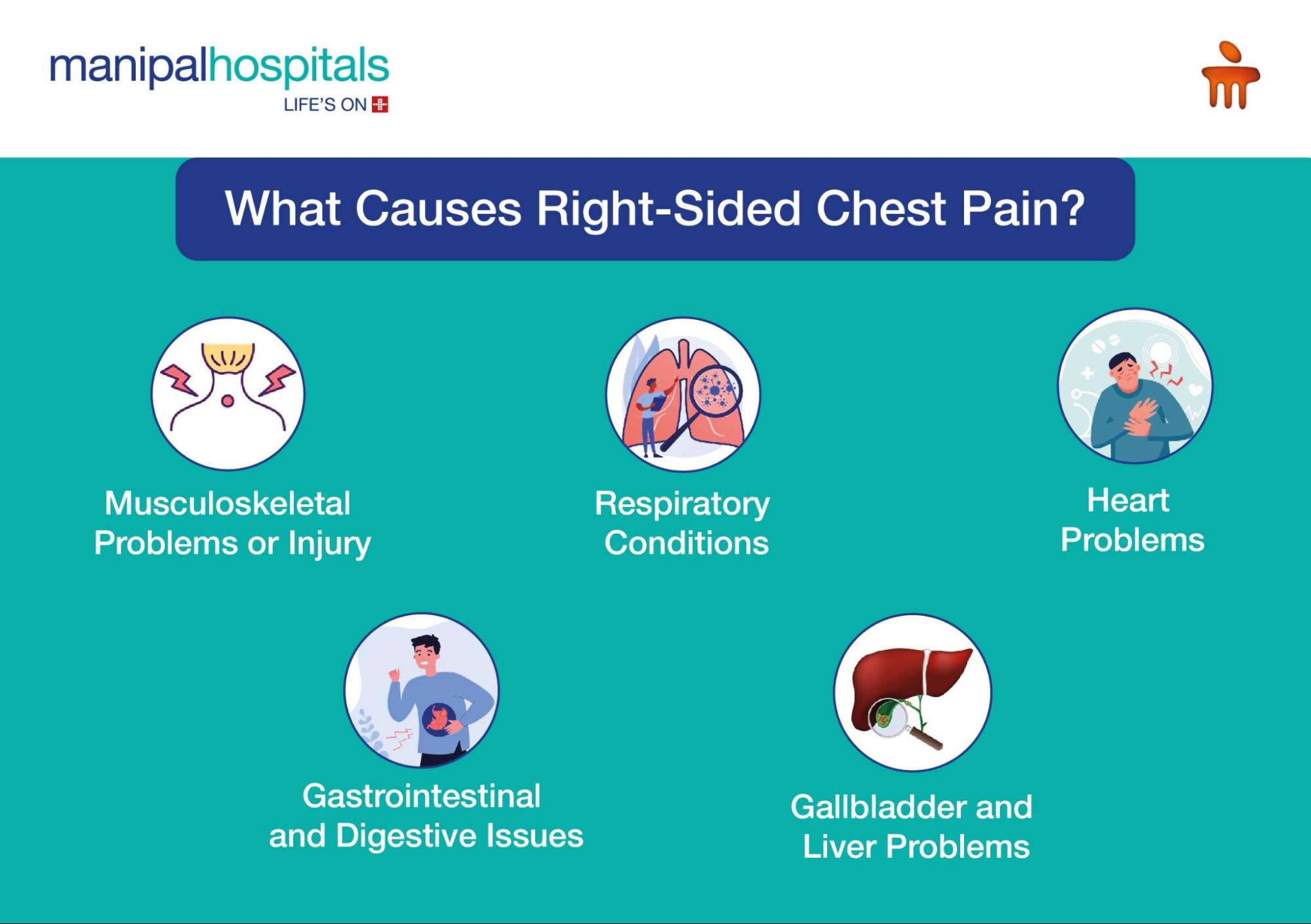
The sensation may resemble pressure, squeezing, or burning and can occur after exertion or emotional stress. Additional symptoms include:
- fatigue
- dizziness
- sweating
- nausea
- shortness of breath
Treatment may involve medications such as beta-blockers or calcium channel blockers, along with lifestyle adjustments like a heart-healthy diet, regular exercise, and stress management.
When to see a doctor
Seek medical evaluation for breast and armpit pain if it:
- persists despite home care
- worsens over time
- does not improve with OTC medications
- occurs with any of the following symptoms:
- a hard lump in the breast or armpit
- changes in breast skin, such as dimpling or redness
- unexplained nipple discharge
- fever and chills
- shortness of breath
The bottom line
Breast and armpit pain can stem from a variety of causes, including hormonal changes, an ill-fitting bra, muscle strain, infection, or benign breast conditions.
In many situations, this discomfort is not serious and can be managed at home with OTC medications, warm compresses, and proper breast support.
However, persistent, worsening, or severe symptoms—especially those accompanied by lumps, skin changes, or systemic symptoms—should be evaluated by a healthcare professional to rule out more serious conditions.
FAQ
Sudden sharp pain under the right breast can be caused by several factors, including muscle strain from physical activity, noncyclic breast pain not linked to the menstrual cycle, an ill-fitting bra, or conditions like mastitis or breast cysts.
While breast cancer can cause pain, it is less common as a sole symptom. More typical signs include a hard lump, skin dimpling, or nipple changes. However, any persistent or new breast pain should be evaluated by a healthcare professional.
To relieve pain caused by an ill-fitting bra, get a professional bra fitting to ensure proper support and size. Wearing a well-fitting, supportive bra can significantly reduce strain and discomfort in the breast and underarm area.
You should see a doctor if the pain persists, worsens, or doesn’t improve with over-the-counter medication. Also seek medical advice if accompanied by a hard lump, skin changes, fever, chills, or shortness of breath.
Yes, hormone fluctuations related to the menstrual cycle, menopause, pregnancy, or certain medications can cause breast pain. This is often a dull ache but can sometimes manifest as a sharper, more localized discomfort.
Read Next
Silver Cuisine Meal Delivery for Older Adults: A Complete Review

Try These Squats for Glutes for a Well-Rounded Workout

Easy Exercises to Develop Your Lower Trapezius
Fatty Upper Pubic Area (FUPA) Weight Loss and Medical Treatment

7 Easy Ways to Stretch Tight Glutes
Calorie Counts for Fried Rice: Vegetable, Beef, Chicken, Pork, and Shrimp
Related Posts

Side Effects of Eligard: What You Need to Know
Aug 14, 2026 • 7 min readSide Effects of Brixadi: What You Need to Know
Aug 28, 2026 • 3 min read
Fragile X Syndrome and Autism: What Is the Link?
Aug 8, 2026 • 24 min read
Can You Overdose on Xanax?
Sep 8, 2026 • 11 min read
Understanding Foot Supination
Sep 15, 2026 • 6 min read