

Two frequently encountered eye infections are styes and pink eye (conjunctivitis). Because both can cause redness, tearing, and itchiness, distinguishing between them can be tricky.
The underlying causes of each condition are entirely different, as are the usual treatments.
Read on to understand the similarities and differences between styes and pink eye. We’ll cover causes, treatment choices, prevention strategies, and when to consult a physician.
Symptoms
The initial way to figure out which eye infection you have is to assess your symptoms carefully.
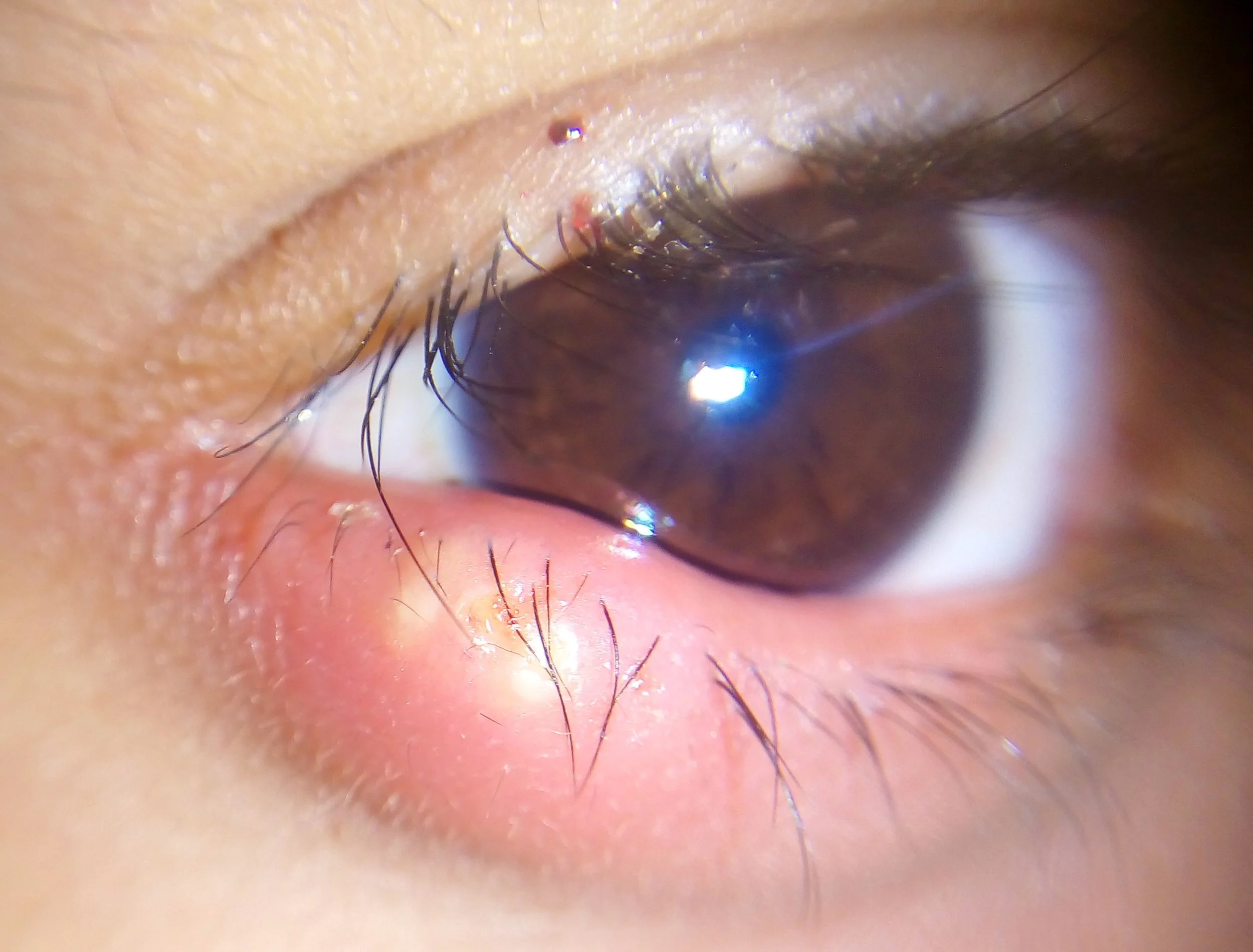
The primary distinction is that a stye presents as a firm bump on the surface of the eyelid. Pink eye typically does not produce lumps, pimples, or boils around the eye.
Pink eye
Common signs of pink eye include:
- blurry vision
- redness and swelling of the eyelid
- tearing or discharge around the eye
- redness on the white of the eye or inner eyelid
- itchiness
Stye
Symptoms of an eyelid stye include:
- pain in or near the eye
- a raised, red bump on the eyelid
- swollen eyelid
- sensitivity to light
- eye discharge or tearing
- redness
- a gritty sensation in the eye
Causes
The next step in identifying your eye problem is to consider what might be causing it. Although styes and pink eye can look alike, their origins differ.
Pink eye can have multiple causes and comes in different forms.
Viruses, bacteria, or allergens commonly trigger pink eye. The term covers inflammation or infection of the transparent membrane that lines the eyelid and covers the eyeball.
Other triggers for pink eye include:
- environmental irritants (such as smoke or dust)
- contact lens irritation
- foreign particles (like dirt or an eyelash) rubbing the eyelid lining
By contrast, styes arise from infection of the oil glands along the eyelid. They appear as a red bump at the site of the affected gland or eyelash follicle, resembling a pimple or small boil.
Behaviors that introduce bacteria to the eye and can cause a stye include:
- going to bed with makeup on
- frequently rubbing your eyes
- trying to extend the use of disposable contact lenses
How to treat pink eye
Many cases of pink eye can be managed at home to relieve symptoms while the condition resolves.
Some helpful measures are:
- Apply cool compresses to reduce swelling.
- Use lubricating artificial tear drops.
- Wash your hands before touching your eyes.
- Clean bedding regularly to reduce the chance of reinfection.
- Avoid wearing contact lenses until symptoms have cleared.
If home care does not ease your symptoms, see an eye specialist. Bacterial conjunctivitis may require prescription antibiotics.
How to treat a stye
Treatment for a stye focuses on clearing the plugged oil gland.
For self-care, the American Academy of Ophthalmology suggests applying clean, warm compresses to the area. Use them in 15-minute sessions up to five times daily. Avoid squeezing or popping the stye.
If the stye persists after a few days, consult a doctor. They might prescribe antibiotics, and occasionally an eye specialist must drain a stubborn stye. Do not attempt drainage yourself, as you could harm your eyesight.
Contact a physician if a stye is not resolving or if you have concerns about it.
Preventing styes and pink eye
Good eye hygiene helps lower the risk of both styes and pink eye. Try these preventive steps:
- Wash your hands frequently, particularly if you care for young children or animals.
- Remove eye makeup each night using an oil-free remover.
- Wash your face with warm water at the end of the day.
- Clean bedding often, especially pillowcases.
- Don’t share items that contact your eyes, like towels, washcloths, or cosmetics.
When to see a doctor
Seek medical attention for an eye infection that does not show improvement within 48 hours. Other reasons to see a doctor include:
- The patient is under 5 years old.
- Any decline in vision.
- Thick green or yellow discharge from the eye.
- Any part of the eye develops color changes beyond mild red or pink.
The takeaway
Both pink eye and styes can cause discomfort around the eyes. A stye consistently involves a firm bump at the eyelid edge that reflects a clogged oil gland or follicle.
Pink eye affects the eye’s lining and often produces more widespread redness and tearing across the eye surface.
Treat any eye infection seriously. If you are uncertain about an infection in your own or a child’s eye, consult your primary care provider, eye doctor, or pediatrician promptly.


















Leave a Reply
You must be logged in to post a comment.