What Are Triple Eyelids, and Can They Be Treated?

- What are triple eyelids?
- Why do people get triple eyelids?
- Primary triple eyelid: Changes in fat volume and skin elasticity
- Secondary triple eyelid: Scar tissue adhesions
- Tertiary triple eyelid: Scar re-adhesions
- What are common risk factors for developing triple eyelids?
- Can you prevent triple eyelids?
- When to seek medical care for triple eyelids
- How are triple eyelids treated?
- Blepharoplasty
- Brow lift
- Lipofilling
- Radiofrequency (RF) therapy
- The takeaway
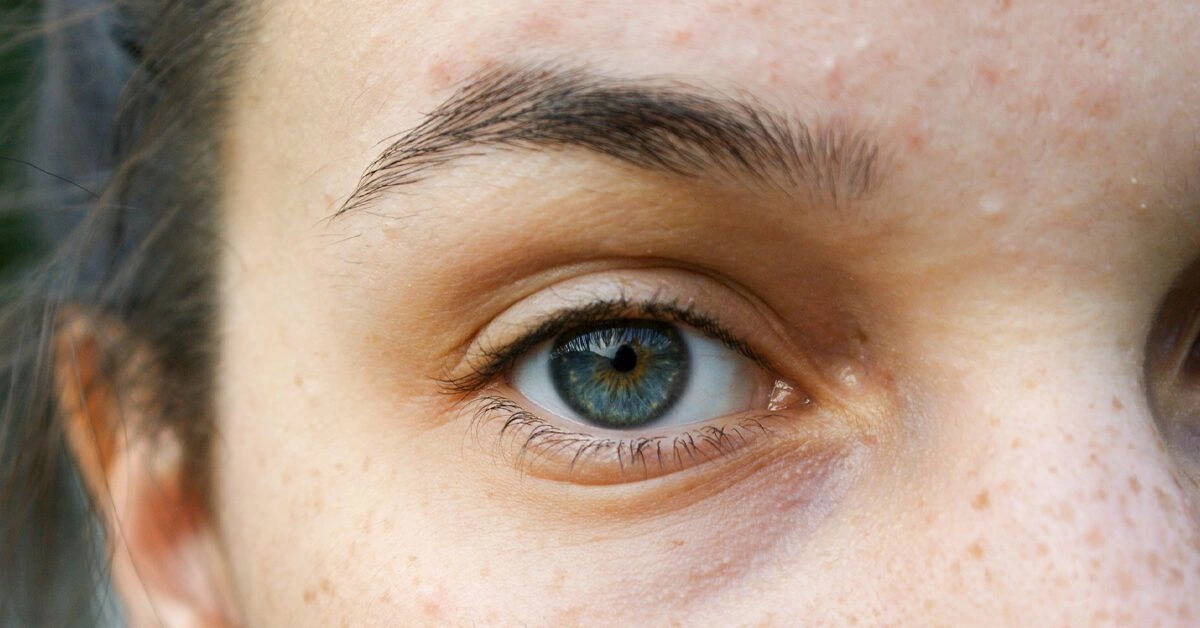
When you look at faces around you, most people display a single crease along each upper eyelid. For some, that single fold can split into additional creases, resulting in what’s referred to as a “triple eyelid.” Read on to learn more about this phenomenon and the ways it can be addressed.

What are triple eyelids?
The eyelid skin fold is the result of the skin and muscle located between the eyebrow and the eyelid crease. The crease itself forms where the skin connects to the underlying eyelid muscles, helping keep the upper lid elevated.
A triple eyelid occurs when the primary eyelid fold develops one or more extra creases. This change can appear suddenly.
Why do people get triple eyelids?
Multiple eyelid creases can arise from different causes and are generally categorized according to characteristic signs and circumstances.
Primary triple eyelid: Changes in fat volume and skin elasticity
Most often, an additional eyelid crease is linked to:
- reduced skin elasticity and weakened attachments between the skin and underlying muscle
- thinning of soft tissue and reduced fat under the skin of the upper eyelid, just above the natural crease
These are not extra folds in the strict sense but rather indentations or depressions in the skin. Tissue thinning and less elastic skin contribute to:
- a decrease in fat volume around the eye socket
- a deepening or hollowing of the upper eyelid groove
- unevenness or asymmetry of the eyelid crease
These alterations increase the likelihood of developing additional eyelid creases.
Secondary triple eyelid: Scar tissue adhesions
This sort of extra crease can follow eyelid surgery, particularly blepharoplasty.
Excess removal of soft tissue in the upper eyelid flap may lead to scar tissue binding or thickening, creating another crease above the surgically formed fold.
Tertiary triple eyelid: Scar re-adhesions
This variant of triple eyelid can develop after procedures intended to correct:
- high eyelid folds
- eyelid retraction
- ectropion, where the eyelid turns outward exposing the inner surface
Additional creases can emerge as the surgically adjusted eyelid heals.
What are common risk factors for developing triple eyelids?
- Advancing age. With aging, skin loses volume and elasticity, which may cause ptosis (sagging) around the eye and alter the eyelid crease.
- Ethnic background. Individuals of Asian descent tend to have lower-set eyelid folds and more fat toward the eyelid margin, making them more susceptible to triple eyelid formation as skin volume and elasticity decline.
- Skin thickness and tone. People with lighter complexions and thinner skin may be more likely to develop extra creases.
- Body composition. Lean or athletic body types have a higher chance of developing multiple eyelid folds.
- Contact lens wear. Long-term use of contact lenses can weaken the muscles in the eyelid area.
- Swelling. Certain medical conditions cause fluid accumulation in tissues; this swelling can lead to the appearance of triple eyelids.
Can you prevent triple eyelids?
Some healthy lifestyle measures may reduce the risk of developing triple eyelids, mainly actions that lower inflammation, such as:
- keeping well-hydrated
- maintaining consistent, quality sleep
- stopping smoking
- limiting alcohol intake
- reducing salt consumption
- shielding skin from excessive sun exposure
- managing allergies, colds, flu, or other inflammatory triggers
When to seek medical care for triple eyelids
Triple eyelids are seldom a medical emergency. Still, contact a healthcare provider promptly if you experience severe symptoms associated with your eyelids.
If symptoms are intense or rapidly worsening, go to the nearest emergency department.
How are triple eyelids treated?
Most extra eyelid folds do not resolve on their own and usually need medical or surgical intervention. A fellowship-trained, board-certified oculofacial plastic surgeon is often the best specialist to evaluate and treat this issue.
Several treatment approaches are available. The primary options include:
Blepharoplasty
Surgery is commonly the preferred treatment for triple eyelids. A surgeon may perform blepharoplasty to excise surplus skin and elevate drooping tissue.
If a prior eyelid operation produced the extra crease, releasing the scar tissue surgically is an essential step.
Brow lift
A brow lift is another surgical route. This procedure elevates the soft tissues around the brow, correcting droopiness and enhancing symmetry. It can be done alone or together with blepharoplasty.
Some clinicians also propose a nonsurgical brow lift using injectable fillers. This technique relies on hyaluronic acid fillers to lift, add volume, and smooth the excess crease.
Lipofilling
Fat grafting, or lipofilling, can lift the brow area and restore eyelid volume. The process harvests fat via liposuction and re-injects it into the targeted site.
Because the tissue comes from your own body, immune reactions are minimal. This procedure can stimulate new collagen production and increase blood flow to the treated region.
Radiofrequency (RF) therapy
RF therapy employs high-frequency energy to heat deeper skin layers, encouraging collagen remodeling.
It can be used alongside surgery or as a standalone, noninvasive option to tighten thin, sagging eyelid skin and improve brow laxity.
The takeaway
Triple eyelids have a range of causes, including biological, physical, and genetic factors, and they can also develop from post-surgical adhesions.
Adopting certain lifestyle practices may help reduce the risk. When triple eyelids occur, surgical solutions are frequently the most effective, though less invasive approaches—such as nonsurgical brow lifts, fat grafting, and RF therapy—can also be beneficial.
Frequently Asked Questions
Triple eyelids occur when the primary upper eyelid crease develops one or more additional folds or indentations, creating the appearance of multiple creases above the eye.
Causes include reduced skin elasticity and fat loss with age, scar tissue after eyelid surgery, re-adhesions from corrective procedures, ethnic anatomy, and factors like contact lens use or swelling.
Prevention isn’t guaranteed, but measures that preserve skin health—hydration, good sleep, sun protection, avoiding smoking, and managing inflammation—may lower the risk.
Treatments range from surgical blepharoplasty and brow lifts to nonsurgical options like fat grafting (lipofilling) and radiofrequency therapy, depending on the cause and severity.
See a specialist if the additional creases cause functional problems, discomfort, cosmetic concern, or if new, rapidly worsening eyelid symptoms occur. An oculofacial plastic surgeon can evaluate and recommend appropriate treatment.
Read Next

Carob Powder: 9 Nutrition Facts and Health Benefits

Silver Cuisine Meal Delivery for Older Adults: A Complete Review

What Is the Webster Method?

Peeing with an Erection Isn’t ‘More Difficult Than Childbirth,’ But It Can Be Challenging

Easy Exercises to Develop Your Lower Trapezius

Carbohydrates in Brown, White, and Wild Rice: Whole vs. Refined Carbs
Related Posts
Dacryocystitis
Aug 25, 2026 • 20 min read
How Long Does It Take for the Effects from Eye Dilation Drops to Wear Off?
Jul 29, 2026 • 21 min read
Binocular Vision Dysfunction: What You Should Know
Aug 21, 2026 • 5 min read
How to Use a Warm Eye Compress to Treat Styes and Other Conditions
Sep 9, 2026 • 27 min read
Can Face Masks Help Reduce Allergy Symptoms?
Aug 30, 2026 • 11 min read