6 Substitutes for Milk Powder (Dry Milk)

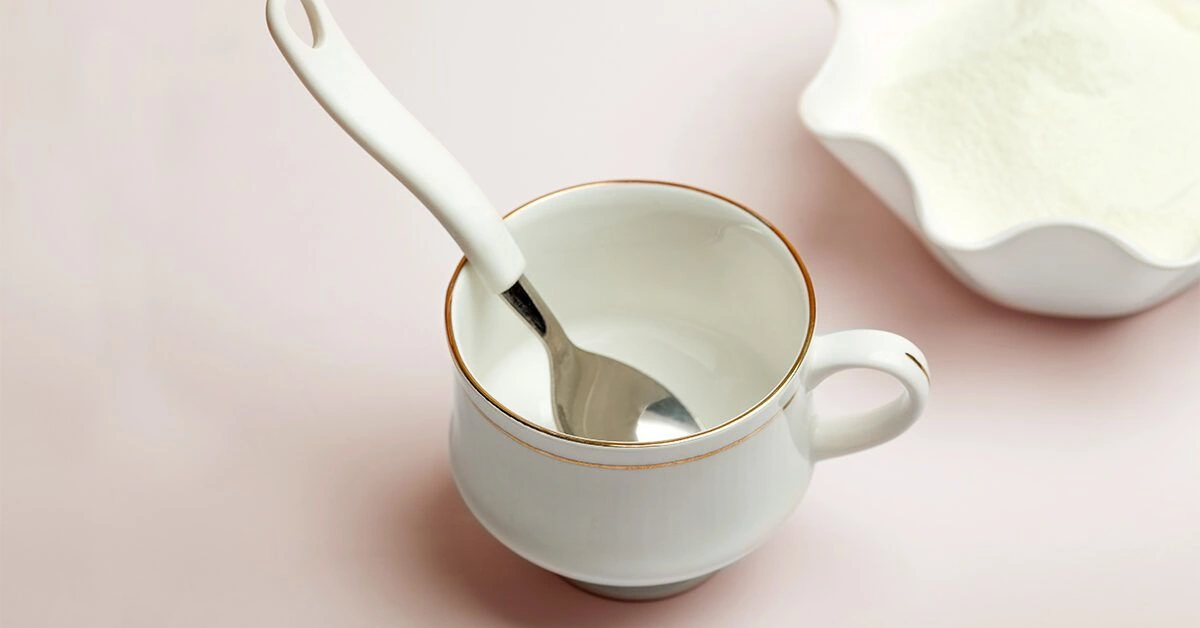
Powdered milk — often called dry milk — is produced by removing water from regular milk, transforming it into a powdered form (1 , 2 ).
Because it contains very little moisture, powdered milk does not require refrigeration and keeps far longer than liquid milk (3).
When rehydrated with water, dry milk serves as a stand-in for fresh milk in most recipes. The powder also works on its own to thicken watery preparations like soups and sauces.
Powdered milk is commonly used in confections such as chocolate and caramel candies, where using liquid milk would produce an overly thin texture.
Although handy, you might not always have milk powder available. Moreover, because it’s derived from cow’s milk, powdered milk isn’t suitable for people avoiding dairy due to allergies, intolerances, or personal choices.
Below are 6 substitutes for milk powder.
1. Regular milk
Plain liquid milk is a straightforward alternative to reconstituted milk powder. After all, powdered milk is essentially the dried solids from fresh milk.
The chief advantages of using fresh milk are its taste and nutrient profile, which resemble those of milk powder (4 , 5 ).
One cup (240 mL) of whole milk contains roughly (4 ):
- Calories: 149
- Fat: 8 grams
- Protein: 8 grams
- Carbs: 12 grams
- Calcium: 20% of the Daily Value (DV)
By comparison, 1/4 cup (32 grams) of whole milk powder provides (5 ):
- Calories: 159
- Fat: 8 grams
- Protein: 8 grams
- Carbs: 12 grams
- Calcium: 22% of the DV
Keep in mind that using liquid milk adds extra moisture to the dish, so use it only in recipes that already include water, like soups or some baked items. Avoid it where extra liquid would make the result soggy.
Substitution guideline: for every 1/4 cup (32 grams) of milk powder, use 1 cup (240 mL) of liquid milk, and decrease any water called for in the recipe by 1 cup (240 mL).
Whole, reduced-fat, and skim milk all work; higher fat levels yield a richer, creamier outcome.
For recipes that specify buttermilk powder, opt for liquid buttermilk instead, since its acidity affects texture and flavor.
Summary: Regular liquid milk can replace milk powder in recipes that also call for additional water. Use 1 cup (240 mL) of liquid milk per 1/4 cup (32 grams) of milk powder.
2. Liquid nondairy alternatives
If you need a dairy-free or vegan substitute, use plant-based milks such as almond, oat, or soy milk.
Like liquid dairy milk, plant milks should only be used in recipes that require both milk powder and extra water.

The swap ratio is the same: 1 cup (240 mL) of plant milk for every 1/4 cup (32 grams) of powdered milk, and reduce the recipe’s water by 1 cup (240 mL).
To mimic buttermilk powder, mix 1 cup (240 mL) of a plant milk with 1 tablespoon (15 mL) vinegar or lemon juice and let it rest for 5–10 minutes before using.
Different plant-based milks vary in nutrients and flavor, so they will alter the taste and nutritional profile of your dish.
Summary: Plant-based milks like almond or oat milk can take the place of milk powder in recipes that include added water. Use 1 cup (240 mL) per 1/4 cup (32 grams) of powdered milk.
3. Coconut milk powder
Not to be confused with desiccated coconut (dried shredded coconut flesh), coconut milk powder is produced by spray-drying coconut milk or cream.
One-fourth cup (32 grams) of coconut milk powder supplies about 240 calories, 20 grams of fat, 4 grams of protein, and 8 grams of carbs (6 ).
Because it’s high in fat, coconut milk powder is a good stand-in for whole milk powder in cooking, especially in soups, curries, and sauces.
However, its higher fat content can produce denser baked goods compared with regular milk powder (5 , 6 ).
Coconut milk powder is naturally vegan and lactose-free, though some brands add sodium caseinate, a milk-derived protein (7).
Generally, substitute coconut milk powder at a 1:1 ratio unless packaging suggests otherwise.
Shop for coconut milk powder online.
Summary: Coconut milk powder is a mostly dairy-free, vegan replacement for milk powder that can be used in equal amounts. It’s best suited for cooking rather than baking, as its high fat can make baked items heavier.
4. Soy milk powder
Soy milk powder is another solid nondairy choice for replacing milk powder.
Like powdered cow’s milk, soy milk powder stores well and has a long shelf life. It also more closely resembles powdered milk nutritionally than many other plant-based options.
Nutritional values vary by product, but 1/4 cup (19 grams) of soy milk powder generally provides about 90 calories, 3.5 grams of fat, 8 grams of protein, 6 grams of carbs, and roughly 4% of the DV for calcium (8).
Soy milk powder can usually replace milk powder at a 1:1 ratio in most recipes, including baked goods, and is an easy way to add plant protein to homemade granola bars and smoothies.
While some specialty shops stock soy milk powder, it’s often easiest to buy online.
Shop for soy milk powder online.
Summary: Soy milk powder is a convenient dairy-free substitute that is nutritionally similar to reduced-fat milk. It can replace milk powder in equal amounts in most recipes.
5. Rice powder
Rice powder, often labeled rice flour, is a practical choice for people who are vegan or who have lactose or soy allergies.
Like soy milk powder, rice powder is a shelf-stable, plant-based alternative that can usually be used in equal amounts in most recipes.
Keep in mind that rice powder is typically sweeter than milk powder, so it’s especially suitable for sweet preparations like desserts, baked goods, granola bars, and smoothies. Some people even use it as a dairy-free powdered coffee creamer — see notes on cream vs half and half vs coffee creamer for context.
Unlike milk powder and soy milk powder, rice powder is primarily carbohydrates and is low in protein, fat, and minerals like calcium (9 ).
One-fourth cup (39 grams) of rice powder provides about 140 calories, 0 grams of fat, 3 grams of protein, 31 grams of carbs, and 1% of the DV for calcium (9 ).
Rice powder can be tricky to locate in shops, so buying it online is often the simplest option.
Summary: Rice powder is a suitable choice for those with multiple allergies, including soy, dairy, or nut allergies. Vegan and lactose-free, it’s sweeter than milk powder and best used in sweet dishes like desserts and smoothies.
6. Cashew powder
Although various nut powders can replace milk powder, cashew milk powder most closely replicates the creamy, mildly sweet texture of milk powder.
Cashew powder can generally be used at a 1:1 ratio, unless the package indicates otherwise.
It performs well in both savory and sweet recipes, including soups, smoothies, baked goods, and granola bars.
Be aware that some cashew milk powders clump more than others; for soups or similar recipes, you may need to blend the powder with some liquid first to achieve a smooth consistency.
One-fourth cup (26 grams) of cashew milk powder contains roughly 140 calories, 6 grams of fat, 3 grams of protein, and 20 grams of carbs (10).
Cashew milk powder can be difficult to find in local stores but is available through online retailers.
Shop for cashew milk powder online.
Summary: Cashew milk powder offers a creamy texture and lightly sweet flavor, making it a strong plant-based alternative to milk powder for both sweet and savory dishes.
The bottom line
Milk powder is an affordable, shelf-stable pantry staple that’s useful to have on hand.
Lightweight and nonperishable, powdered milk is often added to baked and savory recipes to help thicken or enrich the finished dish.
If you don’t keep milk powder stocked or prefer a nondairy option, several alternatives exist depending on the recipe and any dietary limits. For guidance on protein-based dairy substitutes, you may also find this whey vs plant protein and milk protein isolate information useful when considering nutritional swaps.
Frequently Asked Questions
Liquid milk, plant-based milks (almond, oat, soy), coconut milk powder, soy milk powder, rice powder, and cashew milk powder are common substitutes. Choose based on whether the recipe can handle extra liquid or requires a powdered form.
Use 1 cup (240 mL) of liquid milk for every 1/4 cup (32 g) of milk powder, and reduce the recipe’s water by 1 cup (240 mL) to keep the balance of moisture.
Yes—plant milks like almond, oat, or soy work when the recipe includes additional water. They may change flavor and nutrition, and for buttermilk-style swaps add 1 tbsp vinegar or lemon juice per cup of plant milk.
Coconut milk powder is high in fat and great for cooking, curries, and some baked goods, but it can make baked items denser and richer than regular milk powder.
Rice powder, soy milk powder, coconut milk powder, and nut-based powders (like cashew) are suitable vegan and lactose-free options—choose rice powder for sweet dishes and soy or cashew powders for closer nutritional or creamy texture.





Related Posts

Is Polypropylene a Safe Plastic to Use in Your Home?
Sep 10, 2026 • 9 min read
What Is Tamarind? A Tropical Fruit with Health Benefits
Sep 3, 2026 • 26 min read
Carob Powder: 9 Nutrition Facts and Health Benefits
Aug 31, 2026 • 19 min read
Barley Tea: Nutrition, Benefits, and Side Effects
Aug 18, 2026 • 5 min read
Is Cheesecake Healthy? Nutrition and Recipe Tips
Aug 27, 2026 • 12 min read