Simple Daily Habits for Healthy Skin


- 1. Wash your face gently, twice a day
- 2. Moisturize while your skin is still damp
- 3. Wear sunscreen every single day
- 4. Keep your hands off your face
- 5. Sleep well and keep your pillowcase fresh
- 6. Drink water and eat a balanced diet
- 7. Be consistent and patient
- What to skip
- A simple routine you can start today
- Sources
Healthy skin rarely comes from one expensive product or a ten step routine. It comes from small things done every day, the kind of things that take two minutes and cost almost nothing. Most of us already know the basics. The hard part is doing them regularly, and doing them gently. This article is about the simple habits that dermatologists keep recommending, and how to fit them into a normal busy day.
1. Wash your face gently, twice a day
Cleansing is the foundation of everything else. Wash your face in the morning and again before bed, using lukewarm water and a gentle cleanser that suits your skin type. Use your fingertips, not a rough cloth or a harsh scrubbing brush, and keep it to about thirty seconds. Hot water and strong soaps strip away the natural oils that protect your skin, and that can leave it dry, tight and irritated.
Pat your face dry with a clean towel instead of rubbing it. Rubbing pulls at the skin and can cause redness over time. If you wear makeup or sunscreen, make sure the evening wash removes it fully, because makeup left on overnight can clog pores and lead to breakouts. Two gentle washes a day is enough for most people. Washing more often usually does more harm than good.
2. Moisturize while your skin is still damp
Moisturizer works best when it can lock in water that is already on your skin. Apply it within a few minutes of washing, while your face is still slightly damp. This helps the skin hold moisture through the day and keeps the skin barrier strong. A healthy skin barrier is what keeps irritants out and moisture in.
Choose a moisturizer that fits your skin. Lighter lotions suit oily skin, while richer creams suit dry skin. People with sensitive skin should look for fragrance free products with few ingredients. You do not need the most expensive cream on the shelf. A simple, well made moisturizer used every day will do far more than a luxury jar used once a week.
3. Wear sunscreen every single day
If there is one habit that matters most for long term skin health, it is sunscreen. The sun is the biggest cause of early wrinkles, dark spots and uneven skin tone, and it raises the risk of skin cancer. Dermatologists recommend a broad spectrum sunscreen with SPF 30 or higher, used every day, even when it is cloudy and even in winter. Clouds block only part of ultraviolet light, and the rays that age skin pass through windows and clouds alike.
Apply sunscreen as the last step of your morning routine, about fifteen minutes before you go outside, and use enough of it. Most people use too little. A good guide is a full finger length of product for the face and neck. Reapply every two hours if you are outdoors, sweating or swimming. Making sunscreen a daily habit, like brushing your teeth, is one of the best gifts you can give your future skin.
4. Keep your hands off your face
We touch our faces far more often than we realize, sometimes hundreds of times a day. Our hands pick up dirt, oil and germs from everything we touch, from phones to door handles, and every touch transfers some of that to our skin. This can clog pores and trigger breakouts, especially around the chin and cheeks.
It also helps to keep your phone screen clean, since the phone presses against your cheek during calls. Try to notice when you are resting your chin on your hand or rubbing your eyes, and gently stop yourself. It takes practice, but it is a free habit with real benefits. The same rule applies to spots and pimples. Picking at them pushes bacteria deeper, delays healing and increases the chance of a scar.
5. Sleep well and keep your pillowcase fresh
Your skin repairs itself while you sleep. During the night, blood flow to the skin increases and the skin works on rebuilding collagen, the protein that keeps it firm and smooth. Poor sleep shows up quickly as dull skin, dark circles and slower healing. Most adults need seven to nine hours a night, and keeping regular sleep times helps the body settle into a rhythm.
Your pillowcase matters more than most people think. It collects oil, sweat, dead skin and hair products night after night, and your face rests on it for hours. Change your pillowcase at least once a week, more often if your skin is oily or breakout prone. A clean pillowcase is a small change, but it removes a daily source of irritation from your skin.
6. Drink water and eat a balanced diet
Water will not fix every skin problem on its own, but staying hydrated supports overall health, and healthy skin starts with a healthy body. Keep a bottle of water nearby during the day and drink when you are thirsty rather than waiting until you feel dehydrated. Sugary drinks do not hydrate as well and add nothing your skin needs.
Food plays a supporting role too. A balanced diet with plenty of vegetables, fruit, whole grains and healthy fats gives your skin the vitamins and nutrients it needs to repair itself. Foods rich in vitamin C, vitamin E and omega 3 fatty acids are often mentioned by dermatologists as helpful for skin health. There is no single superfood that will transform your skin, and crash diets can actually make skin look worse. Steady, balanced eating beats any short term fix.
7. Be consistent and patient
Skin does not change overnight. Most skincare products need at least four to six weeks of regular use before you can judge whether they are working, because that is roughly how long skin takes to renew itself. Switching products every few days makes it impossible to know what helped and what caused a reaction.
Keep your routine simple and give it time. Introduce one new product at a time, use it for several weeks, and watch how your skin responds. If something causes redness, burning or new breakouts, stop using it and let your skin settle. Consistency with a simple routine will beat a complicated routine you cannot keep up.
What to skip
Some popular habits do more harm than good. Harsh physical scrubs and strong exfoliating acids used too often can damage the skin barrier and leave skin red and sensitive. Exfoliating once or twice a week is enough for most people, and many do well without it at all. Using several strong active ingredients at once, such as retinol, vitamin C and exfoliating acids on the same day, is another common mistake. Start slowly and let your skin adjust.
Sleeping with makeup on, skipping sunscreen because it is cloudy, and tanning beds are also worth avoiding. Tanning beds expose skin to concentrated ultraviolet radiation and are a known cause of skin cancer. If you want a tanned look, a self tanning product is a much safer choice. And if a skin problem does not improve, or keeps coming back, see a dermatologist rather than trying stronger and stronger products on your own.
A simple routine you can start today
Healthy skin is built on small daily habits, not on perfection. Wash gently, moisturize while your skin is damp, wear sunscreen every day, keep your hands off your face, sleep well, drink water and eat well, and give your routine time to work. Pick one habit from this list and start today. Add another one next week. In a month or two, your skin will show the difference, and the habits will have become part of your day without any extra effort.
Sources
American Academy of Dermatology Association, guidance on skin care basics, sunscreen use and healthy skin habits. NHS, advice on sun protection, skin care and healthy living. Cleveland Clinic, information on moisturizing, exfoliation and sleep and skin health. World Health Organization, guidance on ultraviolet radiation and sun protection.
Read Next

How to Get Perky Breasts Without Surgery

Can You Use Face Mapping to Improve Your Skin’s Health?

The Skin Benefits of Palmarosa Oil, Plus Recipes and Safety Tips

The Ultimate Skin Care Routine for Combination Skin
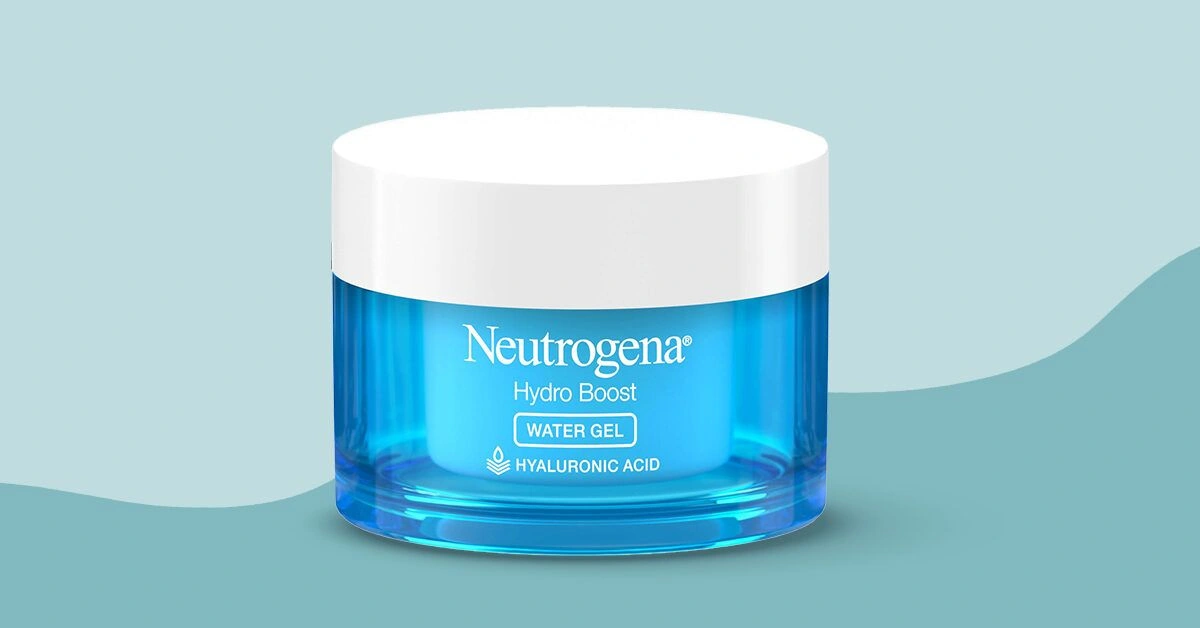
I Tried It: Neutrogena Hydro Boost Water Gel Review

Thinking About a Septum Piercing? Here’s What to Expect
Related Posts

The 8 Best Eco-friendly Razors for a More Sustainable Shave
Sep 21, 2026 • 10 min read
Derma Roller for Hair Growth: Here’s What You Need to Know
Sep 26, 2026 • 18 min read
Shea Butter for Your Face: Benefits and Uses
Aug 27, 2026 • 10 min read
5 Evidence-Based Ways Collagen May Improve Your Hair
Sep 1, 2026 • 14 min read
Natural Treatment for Seborrheic Dermatitis: What Works?
Sep 28, 2026 • 14 min read