
Natural Treatment for Seborrheic Dermatitis: What Works?

- Natural or complementary supplements for seborrheic dermatitis
- Fish oil
- Aloe vera
- Probiotics
- Home remedies for seborrheic dermatitis
- Apple cider vinegar
- Olive oil
- Tea tree oil
- Dietary changes for seborrheic dermatitis
- When to consult a dermatologist
- How dermatologists commonly treat seborrheic dermatitis
- Preventing seborrheic dermatitis
- Identify your triggers
- Self-care steps
- Support your immune system
- The bottom line
Some at-home approaches, such as aloe vera and certain dietary supplements, might ease symptoms of seborrheic dermatitis.
Seborrheic dermatitis is an inflammatory skin disorder that targets areas rich in oil-producing (sebaceous) glands. It most often appears on the scalp but can also affect the face and upper torso.
Dandruff is often regarded as a milder manifestation of seborrheic dermatitis.
Although seborrheic dermatitis can resolve on its own, it may also be persistent and produce recurring flare-ups. Treatments can help reduce itching and scale formation, but several different approaches may be needed to clear the rash fully.
Some people find symptom relief by combining home remedies with over-the-counter or prescription therapies.
Read on to discover natural remedies for seborrheic dermatitis and which ones might be beneficial.
Natural or complementary supplements for seborrheic dermatitis

Seborrheic dermatitis can have different causes depending on your skin characteristics and sensitivities.
Therefore, there isn’t a single alternative therapy that works for everyone.
Consulting a board-certified dermatologist is the best way to get personalized management advice.
Some natural supplements that might be useful for seborrheic dermatitis include:
Fish oil
Fish oil supplements provide omega-3 polyunsaturated fatty acids (PUFAs), which can be beneficial for the skin. These omega-3s may help :
- reduce dermatitis flare-ups by altering immune activity in the epidermis, the outermost skin layer
- lessen skin dryness and flaking
- protect the skin’s barrier function
However, much of the evidence comes from animal research and is not specific to seborrheic dermatitis. Further studies are needed to clarify the precise benefits of fish oil for this condition.
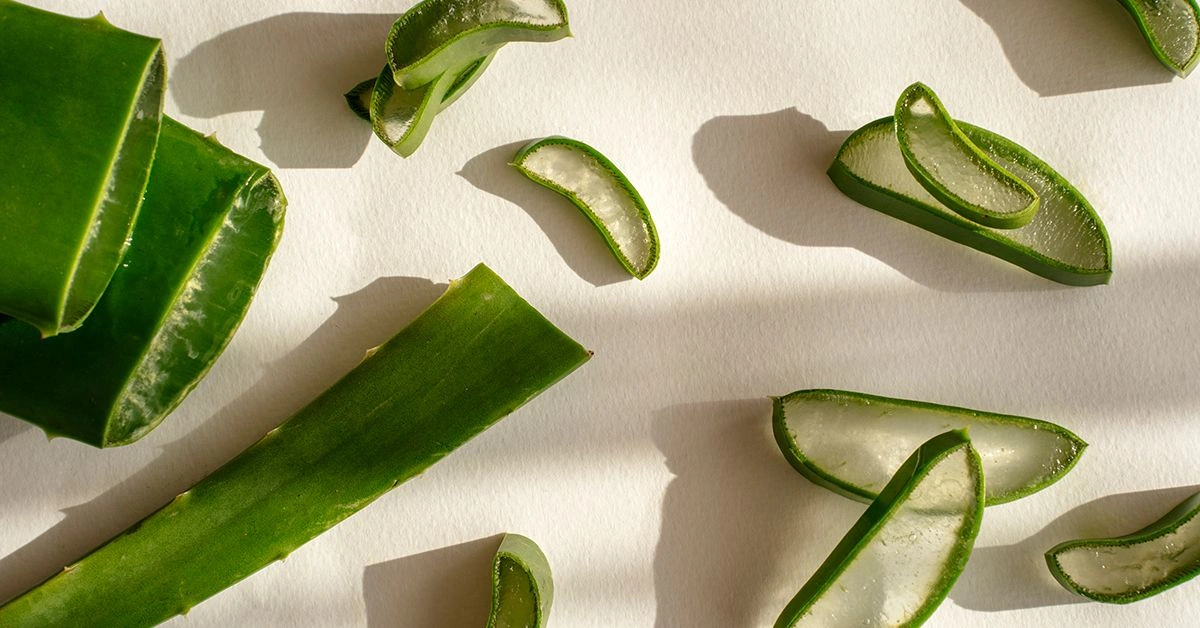
Aloe vera
Aloe vera is a plant known for anti-inflammatory actions that may help reduce inflammation and support wound repair.
An older 2017 study testing a gel containing aloe and other components reported improvements in facial seborrheic dermatitis for nearly half of 25 participants with mild to moderate symptoms.
Although more targeted research on seborrheic dermatitis is necessary, aloe may be helpful for other skin issues like acne, lichen planus, psoriasis, and burns, suggesting its reparative effects could assist seborrheic dermatitis as well.
There may be risks associated with long-term consumption or topical use of aloe as a supplement.
Avoid oral aloe supplements if you are pregnant or breastfeeding.
Probiotics
Probiotics typically refer to supplements containing beneficial bacteria. Some evidence indicates that probiotic supplements can support gut microbiome balance, digestive health, and potentially skin health.
A small 2024 study found that applying a probiotic with two bacterial strains in an oily vehicle to the skin produced improvements in seborrheic dermatitis. While the topical probiotic didn’t alter the skin’s bacterial community, it did influence the gut microbiome and correlated with skin benefits.
A 2023 review suggests that topical probiotics may help various skin disorders, including scalp seborrheic dermatitis, by increasing microbiome diversity and reducing yeast; the authors also noted that certain oral probiotic strains could be beneficial.
Home remedies for seborrheic dermatitis

Apple cider vinegar
Some people use an apple cider vinegar rinse to help lift scales from the scalp. Supporters believe it may also reduce inflammation in the flare area.
Still, a 2019 study investigating apple cider vinegar in atopic dermatitis (a different skin disorder) found no improvement in skin barrier function and reported irritation in participants.
Olive oil
Olives contain antioxidant, antibacterial, anti-inflammatory, and antiviral compounds and may promote wound repair. Squalene, a component of olive oil, might help manage various skin issues, including seborrheic dermatitis.
You can use skincare products that include olive oil or apply extra virgin olive oil directly to affected areas.
However, older 2012 research suggests olive oil might not be effective for yeast-related skin conditions like cradle cap, which is potentially related to seborrheic dermatitis.
Tea tree oil
Studies have examined topical tea tree oil for several dermatologic conditions. Its antibacterial, antifungal, and anti-inflammatory properties could theoretically ease symptoms of conditions such as acne and athlete’s foot.
More research is still needed to determine its specific effects on seborrheic dermatitis and similar skin issues.
Shampoos, conditioners, and skincare items containing tea tree oil are available, but it’s wise to patch-test them first because they can cause irritation in some people.
A dermatologist can suggest particular topical products if appropriate.
Dietary changes for seborrheic dermatitis

According to 2024 research , seborrheic dermatitis may be more common in women who follow a Western-style diet and consume too little fruit. People with the condition were more likely to have elevated levels of:
- copper
- manganese
- iron
- calcium
- magnesium
They were also found to have lower amounts of:
- zinc
- vitamin D
- vitamin E
But the study did not re-evaluate these micronutrient levels after the dermatitis improved, so it’s unclear whether normalizing these nutrients would prevent the condition.
2018 research suggests several nutrients may help treat psoriasis and seborrheic dermatitis. Other nutrients of interest include:
- fatty acids
- vitamin A
- vitamins B1, B2, and B6
- niacin
- biotin
- vitamin C
- selenium
If you have seborrheic dermatitis, focusing on foods that support immunity and lower inflammation may help. Consider a balanced diet that includes:
- ample leafy green vegetables
- antioxidant-rich produce like tomatoes and berries
- healthy oils such as olive oil
- fruit high in antioxidants, for example cherries, strawberries, and blueberries
- vitamin C–rich foods like citrus fruits, kiwifruit, and bell peppers
- vitamin A sources such as sweet potatoes and chicken
- vitamin E–rich foods like wheat germ, avocados, and almonds
Optum Now is operated by RVO Health. By clicking on this link, we may receive a commission. Learn more.
When to consult a dermatologist
Seborrheic dermatitis isn’t life-threatening, but it is often chronic and can be uncomfortable. Scaling, itching, and discoloration may be bothersome, especially when they affect the face or upper body.
If your seborrheic dermatitis is persistent or accompanied by other concerning symptoms, consult a physician.
A dermatologist specializes in skin conditions. Your primary care doctor may refer you, or depending on your insurance, you might be able to schedule directly with a dermatologist.
A dermatologist can diagnose and treat seborrheic dermatitis, rule out other causes of your symptoms, and identify contributing factors such as fungal or bacterial infections.
They may order tests to evaluate your condition further and discuss treatment options tailored to your situation.
How dermatologists commonly treat seborrheic dermatitis
Dermatologists most often suggest topical therapies for seborrheic dermatitis. These may include:
- Corticosteroids: Creams and shampoos with corticosteroids or hydrocortisone can help reduce significant inflammation but are generally recommended for short-term use due to potential side effects.
- Keratolytics: Products with salicylic acid, lactic acid, urea, or propylene glycol can assist in removing scales.
- Antibacterial or antifungal topical agents: These help when a fungal or bacterial infection contributes to symptoms.
- Light therapy: Controlled ultraviolet light exposure may ease itching and reduce discoloration.
- Coal tar: Coal tar preparations can slow the rate of skin cell turnover and shedding.
- Medicated shampoos: Shampoos containing ketoconazole, ciclopirox, selenium sulfide, zinc pyrithione, coal tar, or salicylic acid may be used twice weekly for a month or more and, if needed, continued indefinitely.
Preventing seborrheic dermatitis
Although the exact cause of seborrheic dermatitis is unclear, certain triggers are commonly associated with flare-ups.
Stress can worsen flare-ups for many dermatologic conditions, including seborrheic dermatitis. Pay attention to personal triggers and manage stress where possible.
Identify your triggers
Flare-ups might be linked to allergic reactions, so note any new environmental exposures when a flare occurs.
To avoid provoking an outbreak, skip scratchy fabrics that can irritate the skin—like wool hats and sweaters—and choose softer materials such as cotton or silk.
Self-care steps
Good skin care can help ease and prevent seborrheic dermatitis. This includes:
- regularly washing affected areas with a gentle shampoo or a soap-free cleanser
- avoiding hair styling products and heavy makeup during active flare-ups
Support your immune system
A weakened immune system can influence flare severity. Take care of your overall health and aim for a diet rich in vitamins A, D, C, E, and zinc.
Dandruff: What your itchy scalp is trying to tell you
The bottom line
Management options for seborrheic dermatitis include home-based measures and topical medications. Some home remedies, such as probiotics or using olive oil, may relieve mild symptoms.
Consulting a healthcare professional, particularly a dermatologist, is recommended to develop an effective treatment strategy.
They may suggest modifications to your skincare and haircare routines along with specific products aimed at the underlying causes of your seborrheic dermatitis.
Frequently Asked Questions
Some people find relief using topical aloe vera, tea tree oil products (patch-test first), olive oil for gentle scale softening, probiotic supplements or topical probiotics, and omega-3 (fish oil). Results vary and more research is needed.
Dietary shifts that reduce inflammation and support skin health—more fruits, vegetables, healthy oils (olive), and nutrients like zinc, vitamin D, and vitamin E—may help for some individuals, though evidence is not definitive.
Small studies suggest topical probiotics and certain oral probiotic strains may help, and omega-3 supplements could support skin barrier and inflammation control. Larger, targeted studies are still needed.
Both can cause irritation in some people. Tea tree oil–containing products should be patch-tested and used per product instructions. Apple cider vinegar may irritate sensitive skin and should be diluted or avoided if irritation occurs.
See a dermatologist if symptoms are persistent, worsening, widespread, causing significant discomfort, or not responding to home measures. A dermatologist can confirm the diagnosis and recommend appropriate topical or prescription treatments.



Related Posts

How to Get Perky Breasts Without Surgery
Sep 9, 2026 • 29 min read
Is Microblading Your Eyebrows Painful?
Aug 9, 2026 • 23 min read
Shea Butter for Your Face: Benefits and Uses
Aug 27, 2026 • 31 min read
The 8 Best Eco-friendly Razors for a More Sustainable Shave
Sep 21, 2026 • 18 min read
The Skin Benefits of Palmarosa Oil, Plus Recipes and Safety Tips
Oct 7, 2026 • 15 min read