Low Sodium Frozen Meals: The Best Brands and 21 Dietitian-Approved Options

- A snapshot of the top low-sodium frozen meals
- Who might gain from a low-sodium eating plan?
- How we selected these brands
- Our top picks for low-sodium frozen meals
- About price
- Best overall
- Magic Kitchen
- Best organic
- Amy’s Kitchen
- Best budget
- Healthy Choice
- Best low calorie
- Lean Cuisine
- Best gluten-free
- Saffron Road
- Best vegan
- Tattooed Chef
- Best vegetarian
- Sweet Earth
- Comparing the best low-sodium frozen meals
- Frequently asked questions
- Which frozen meals contain the least sodium?
- What are the advantages of eating low-sodium meals?
- Can there be downsides to a very low-sodium diet?
- What can you eat on a low-sodium diet?
- The bottom line
There are moments when the easier option is acceptable. Our registered dietitian selected top low-sodium frozen entrées for evenings when time is scarce. Magic Kitchen and Amy’s stand out.
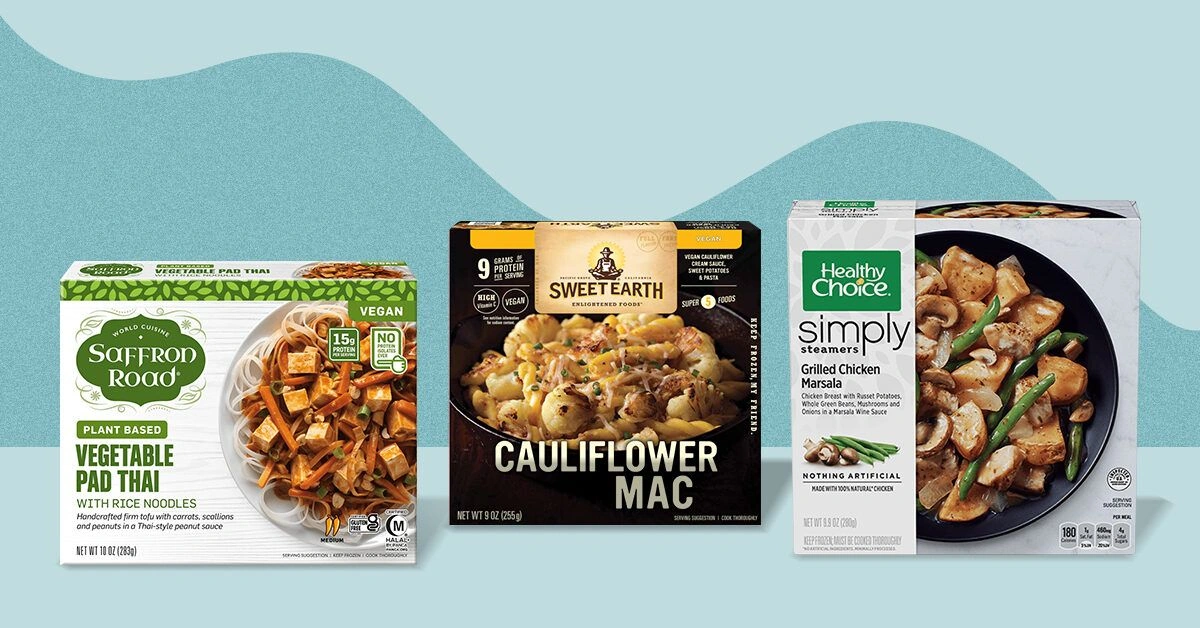
A snapshot of the top low-sodium frozen meals
- Best overall: Magic Kitchen
- Best organic: Amy’s Kitchen
- Best budget: Healthy Choice
- Best low calorie: Lean Cuisine
- Best gluten-free: Saffron Road
- Best vegan: Tattooed Chef
- Best vegetarian: Sweet Earth
Frozen entrees frequently contain high amounts of sodium. Estimates indicate roughly 70% of the sodium Americans consume comes from packaged, processed, and restaurant foods (1).
Besides boosting flavor, sodium is commonly added to frozen foods to help preserve freshness and enhance texture and appearance (2 ).
While frozen meals aren’t ideal as staples in a balanced diet, they can be a practical, time-saving option to keep on hand for busy nights.
The Centers for Disease Control and Prevention (CDC) suggests choosing prepared foods with under 600 milligrams (mg) of sodium per serving — the highest amount allowed for a product to be labeled “healthy” (3 ).
Even with many choices available, locating tasty low-sodium options on grocery shelves can be tricky.
Below are seven brands that offer nutritious, microwave-ready meals with relatively low sodium.
Who might gain from a low-sodium eating plan?
On average, people in the U.S. consume about 3,400 mg of sodium daily (4).
This far exceeds recommendations from health groups such as the American Heart Association (AHA), which advises less than 2,300 mg per day and ideally under 1,500 mg per day (4).
A low-sodium regimen is commonly suggested for individuals with high blood pressure or cardiovascular disease.
Indeed, the AHA notes that cutting sodium by about 1,000 mg daily could markedly improve blood pressure and heart health for many people (4).
Lowering sodium intake may also benefit people with other conditions, such as chronic kidney disease (5 ).
How we selected these brands
The brands included here were chosen using these standards:
- Variety: Brands that provide many meal types and accommodate diverse dietary needs.
- Ingredient quality: Preference for companies using higher-quality ingredients, often organic or non-GMO.
- Price: Options across price ranges to suit different budgets.
- Sodium content: Brands that offer multiple meals with under 600 mg of sodium per serving.
- Vetting: Our experts reviewed each company’s practices, reputation, and the validity of any health claims.
Our top picks for low-sodium frozen meals
About price
Approximate price tiers are shown below with dollar signs ($ to $$$).
Pricing guide:
- $ = under $100
- $$ = $100–$200
- $$$ = over $200
Best overall
Magic Kitchen

Price: $$$
Magic Kitchen is a prepared meal delivery service offering frozen, ready-to-eat meals designed for a range of dietary needs.
They feature many low-sodium entrées, most containing 500 mg of sodium or less and all under 700 mg.
Beyond low-sodium options, Magic Kitchen supports numerous dietary plans, including:
- Senior Meals
- Portion Controlled
- Diabetic-Friendly
- Dairy-Free
- Low Carbohydrate
- Low Fat
- Renal Diet
- Dialysis-Friendly
- Vegetarian
Examples from their low-sodium offerings include:
- Turkey Chili with Brown Rice: 170 mg sodium
- Lemon Pepper Fish with Roasted Potatoes and Okra & Stewed Tomatoes: 330 mg sodium
- Fried Egg Patties, Sweet Potatoes & Asparagus: 240 mg sodium
Complete meals on their low-sodium menu usually run $11–$15 per serving. Shipping throughout the continental U.S. begins at $18.95.
Best organic
Amy’s Kitchen

Price: $–$$
Amy’s Kitchen makes more than 250 vegetarian-friendly frozen meals, many with organic ingredients.
The company states it avoids GMOs and strives to use organic components where possible.
In addition to vegan, gluten-free, and kosher choices, numerous Amy’s meals are lower in sodium.
They also sell lower-sodium versions of popular items labeled “light in sodium.”
Low-sodium selections include:
- Mexican Casserole Bowl, Light in Sodium: 370 mg sodium
- Organic Roasted Vegetable Pizza, Vegan: 540 mg sodium
- Tofu Scramble Breakfast Wrap: 420 mg sodium
Remember to review nutrition facts carefully, as some items may have higher sodium levels.
Prices vary by product and retailer, but many meals cost approximately $3–$7 per serving.
Best budget
Healthy Choice

Price: $
Healthy Choice produces frozen meals without artificial ingredients and emphasizes quality.
The brand offers several low-carb, grain-free, gluten-free, and high-protein choices, plus vegan and vegetarian options.
They say many items meet federal guidelines for fat, saturated fat, cholesterol, and sodium, and most contain under 600 mg sodium per serving.
Examples of lower-sodium options include:
- Simply Steamers, Grilled Chicken Marsala: 460 mg sodium
- Power Bowls, Cauliflower Curry: 400 mg sodium
- Cafe Steamers, Honey Glazed Turkey & Potatoes: 400 mg sodium
Healthy Choice is among the more economical frozen meal brands, with most items priced between $3–$5 per serving depending on location.
Best low calorie
Lean Cuisine

Price: $–$$
Lean Cuisine is well-known for low-calorie, portion-controlled frozen entrées such as bowls, pizzas, pastas, and sandwiches.
The company makes more than 50 frozen meals, many high in protein, carb-conscious, gluten-free, or meatless.
Four of their meals are “Heart-Check Certified,” meeting AHA criteria for heart-healthy foods and containing less than 600 mg sodium per serving.
Some heart-healthy picks include:
- Apple Cranberry Chicken: 510 mg sodium
- Butternut Squash Ravioli: 570 mg sodium
- Garlic Sesame Asian-Style Noodles with Beef: 510 mg sodium
Many regular menu items are also relatively low in sodium, but it’s wise to check labels since some entrées are saltier.
Lean Cuisine typically costs $2–$6 per meal at most supermarkets.
Best gluten-free
Saffron Road

Price: $$
Saffron Road crafts globally inspired frozen meals that are flavorful and made without GMOs, artificial additives, or hormones.
All frozen entrées are certified gluten-free, and many are vegan, vegetarian, or halal certified.
Although not every meal is low in sodium, some fit well into a heart-healthy plan, such as:
- Lemongrass Basil Chicken: 540 mg sodium
- Vegetable Pad Thai: 600 mg sodium
- Butter Chicken: 520 mg sodium
Besides frozen meals, Saffron Road sells simmer sauces, meal pouches, and crunchy chickpea snacks.
Meals generally cost about $6–$7 per serving, though prices vary.
Best vegan
Tattooed Chef

Price: $$
Tattooed Chef offers a selection of plant-based frozen meals, including bowls, burritos, pizzas, and pastas.
Products are vegetarian-friendly and many are vegan, gluten-free, soy-free, and grain-free.
The brand reports using a number of organic ingredients, and several items are certified organic.
Sodium varies by product, but many are suitable for a lower-sodium plan, such as:
- Buddha Bowl: 310 mg sodium
- Chickpea Pasta with Plant-Based Ragu: 450 mg sodium
- Veggie Hemp Bowl: 260 mg sodium
Most frozen entrées from Tattooed Chef sell for about $5–$6, depending on where you shop.
Best vegetarian
Sweet Earth

Price: $$
Sweet Earth produces plant-based, flavor-forward frozen meals that are fully prepared and ready to enjoy.
The brand’s lineup includes bowls, burritos, pizzas, and plant-based alternatives like bacon, seitan, chicken, and deli slices.
Products are non-GMO and mostly made with organic ingredients. All items are vegetarian, and several are vegan.
While some Sweet Earth products are higher in sodium, certain choices are lower salt, for example:
- Cauliflower Mac: 460 mg sodium
- Curry Tiger: 360 mg sodium
- Veggie Lover’s Vegan Pizza: 330 mg sodium
Typically, Sweet Earth meals cost about $5–$6 each.
Comparing the best low-sodium frozen meals
Below is a closer comparison of these brands and what they offer.
Frequently asked questions
Which frozen meals contain the least sodium?
Many frozen meals can be low in sodium. Generally, entrées built around vegetables, fruits, whole grains, or legumes tend to contain less sodium than those with processed meats like bacon or deli cuts.
Some brands, such as Magic Kitchen, provide meal plans created specifically for low-sodium needs and include numerous dishes with under 400 mg sodium per serving.
What are the advantages of eating low-sodium meals?
A low-sodium eating pattern is often recommended for people with conditions like high blood pressure, heart disease, and chronic kidney disease (4, 5 ).
Research indicates that lowering sodium intake may be linked to benefits such as reduced blood pressure and possibly a lower stomach cancer risk (6 , 7 ).
Can there be downsides to a very low-sodium diet?
Sodium is essential for many bodily functions (8 ).
Although reducing sodium moderately is usually safe, some research suggests excessively low sodium intake could be associated with negative effects, like raised cholesterol and triglyceride levels (9 ).
What can you eat on a low-sodium diet?
Fresh items such as fruits, vegetables, whole grains, and unprocessed meats are naturally lower in sodium. A low-sodium plan can also include eggs, beans, unsalted nuts and seeds, dairy, and a range of herbs and spices (10 ).
The bottom line
Lowering sodium can be helpful for people aiming to reduce salt intake and those with conditions like high blood pressure, heart disease, or chronic kidney disease.
Although many frozen options are high in salt, several freezer-aisle brands offer heart-friendly choices.
Explore the brands listed above to begin, check nutrition labels closely, and choose meals with under 600 mg of sodium per serving. If you’re following a specific plan, you might also consider keto frozen meals as another convenient option that some brands provide.
Frequently Asked Questions
Meals centered on vegetables, whole grains, legumes, or plain proteins usually have the least sodium. Brands like Magic Kitchen and specific “light in sodium” products from Amy’s often list meals under 400–500 mg per serving.
Lowering sodium can help reduce blood pressure and decrease strain on the heart and kidneys. It may be especially beneficial for people with hypertension, heart disease, or chronic kidney disease.
Sodium is essential for fluid balance and nerve function. Extremely low sodium intake can sometimes lead to adverse effects like electrolyte imbalance or changes in cholesterol, so major restrictions should be guided by a clinician.
Focus on fresh fruits and vegetables, whole grains, beans, unsalted nuts, lean unprocessed meats, eggs, and herbs or spices for flavor. Choose frozen meals labeled lower in sodium and compare nutrition facts.
Look for products labeled “low sodium,” “light in sodium,” or with sodium under 600 mg per serving. Review the Nutrition Facts panel and favor meals built from whole-food ingredients or brands known for lower-sodium lines.
Read Next
Spinach 101: Nutrition Facts and Health Benefits

What Is Free-Range Chicken?

What Is Annatto? Uses, Benefits, and Side Effects
Dieta cetogénica: Una guía detallada para principiantes sobre la dieta cetogénica

What’s the Benefit of Poppyseed Oil?
Carbohydrates in Brown, White, and Wild Rice: Whole vs. Refined Carbs
Related Posts
What Is the Budwig Diet, and Does It Prevent Cancer?
Aug 6, 2026 • 10 min read
How Many Calories Are Burned on an Elliptical in 30 Minutes?
Aug 14, 2026 • 16 min read
What Is California Poppy, and Does It Have Health Benefits?
Aug 6, 2026 • 33 min read
Understanding the FAST Scale for Dementia
Aug 29, 2026 • 13 min read
10 Potential Health Benefits of Bee Pollen
Sep 11, 2026 • 16 min read