5 Emerging Benefits of Juniper Berries

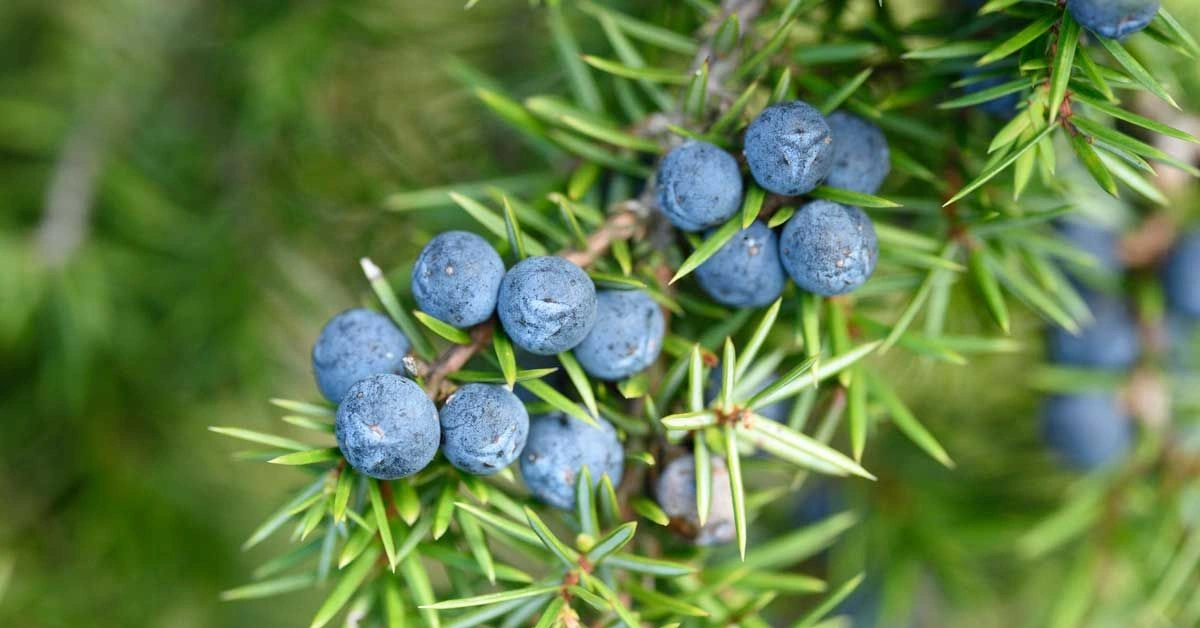
Juniper berries offer a tangy, pine-like taste that’s commonly used as a spice. Emerging studies hint at possible health advantages, though the scientific evidence remains limited.
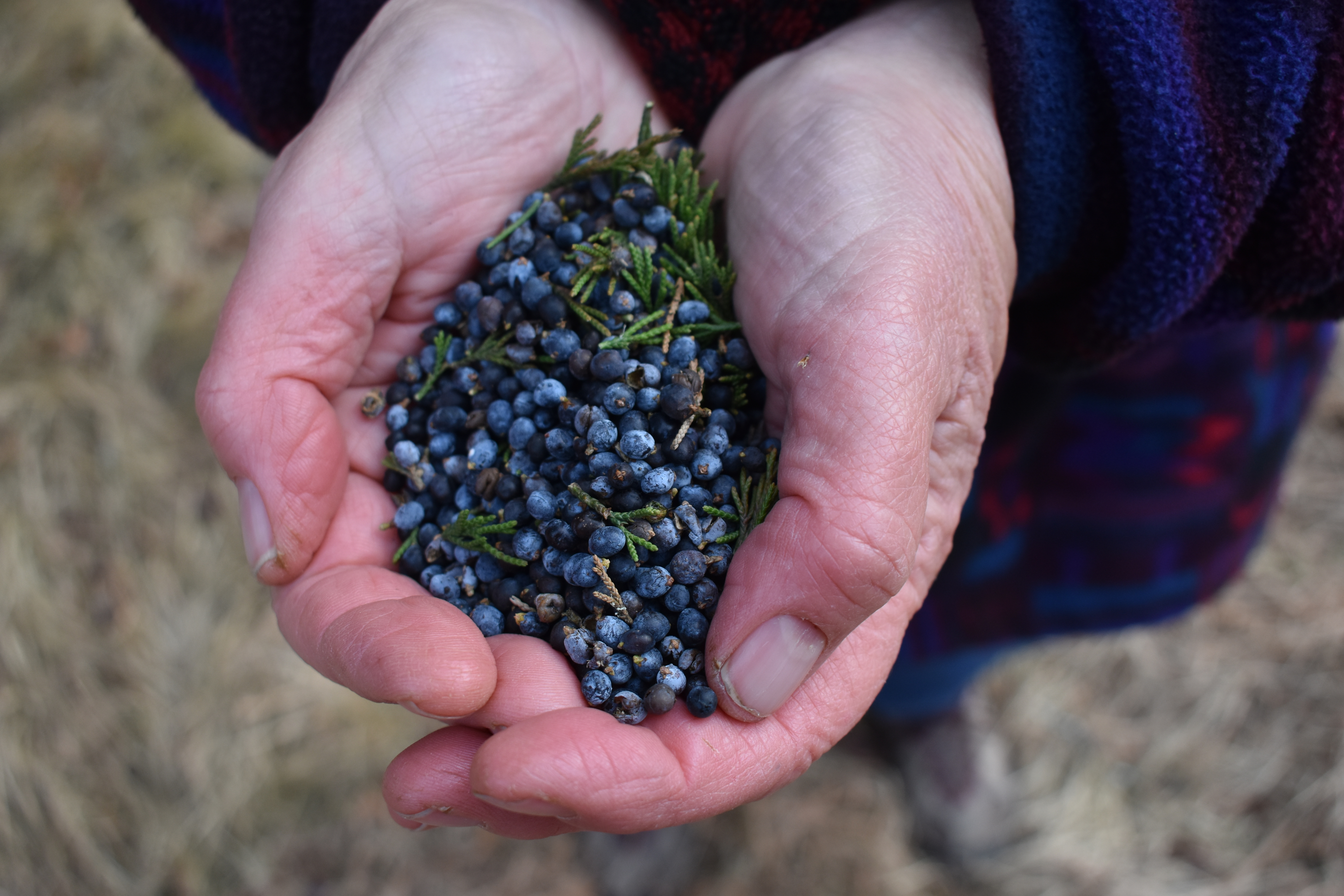
The juniper plant, Juniperus communis, is an evergreen shrub found across North America, Europe, and Asia. It forms seed cones that are typically referred to as juniper berries.
These small cones have been used for culinary and medicinal purposes for centuries, and recent research indicates they might provide several health-related benefits.
Below are five possible benefits associated with juniper berries.
1. Rich in nutrients and bioactive plant compounds
Although detailed nutrient profiles for juniper berries are sparse, they are known to supply certain vitamins and a variety of plant-derived compounds.
Similar to many berries, they include vitamin C. This nutrient plays a vital role in immune function, collagen production, and healthy blood vessels. It also serves as an antioxidant, helping shield cells from damage caused by free radicals.
Juniper berries contain various phytochemicals such as flavonoid antioxidants, volatile oils, and coumarins.
The volatile oils present in juniper berries are rich in monoterpenes. Studies have indicated these compounds exhibit anti-inflammatory, antifungal, antioxidant, and antibacterial activities.
2. May deliver anti-inflammatory and antioxidant benefits
Foods high in antioxidants are valuable because they help protect cells from damage. Juniper berries are a source of essential oils and flavonoids that act as strong antioxidants and may help lower inflammation.
An older 2014 study identified over 70 constituents in juniper berry essential oil, with monoterpenes such as alpha-pinene, beta-pinene, myrcene, limonene, and sabinene predominating. The research showed the oil lessened cellular damage in yeast by enhancing certain enzyme activities.
Another in vitro study reported that juniper berry essential oil markedly decreased inflammation in human skin cells, an effect attributed to the oil’s high monoterpene content.

3. Potential antidiabetic effects
Juniper berries have a history of use in traditional remedies for diabetes. More contemporary research suggests they might possess antidiabetic properties.
Scientists propose these effects stem from the berries’ rich antioxidant content. A study in mice observed reductions in body weight and improvements in blood lipid profiles after treatment.
While these results are encouraging, clinical studies in humans are necessary to confirm this possible health benefit.
4. May support cardiovascular health
Juniper berries could benefit heart health by boosting HDL (good) cholesterol and lowering LDL (bad) cholesterol.
An older 2007 animal study in diabetic rats found that juniper berry extract decreased total cholesterol and triglyceride levels by 57% and 37%, respectively, compared with controls.
Although human trials are limited, research on berries generally suggests berry consumption may lower risk factors for heart disease.
Until more human research specifically examines juniper berries’ cardiovascular effects, it remains uncertain whether consuming them can lower heart disease risk.
5. Antibacterial and antifungal properties
Laboratory and animal research indicates juniper berries possess significant antibacterial and antifungal activities.
One in vitro study showed that juniper berry essential oil strongly inhibited three bacteria capable of causing severe human infections — M. gordonae, M. avium, and M. intracellulare.
Extracts from the berries may also act against other bacteria, including mycobacteria, which can lead to various illnesses.
Although the antibacterial and antifungal potential is evident in lab studies, clinical trials are needed to determine if juniper extracts can safely and effectively treat infections in humans.
Common uses of juniper berries
Unlike many berries, juniper berries are typically used sparingly as a flavoring rather than eaten in large quantities. They’re often added to marinades, spice mixes, and are the flavoring that gives gin its characteristic profile.
Remember that many juniper species exist, and not all are edible. The berries most commonly used in cooking come from Juniperus communis.
Juniper berry essential oil is also used in aromatherapy for its potentially calming effects. It should be diluted in a carrier oil before topical use and should not be consumed.
Juniper berry tea is available commercially in tea bags or can be brewed at home using crushed berries.
Dosage and precautions
Juniper berry supplements and extracts are available online and at some health food stores. Because human research is limited, the effective dose for medicinal purposes is unclear.
These products are not suitable for children or pregnant individuals. They may interact with certain medications, such as diuretics and psychiatric drugs.
Many online claims suggest highly concentrated juniper supplements could harm the kidneys, though conclusive evidence is lacking.
Given the sparse human data, it may be prudent to opt for better-studied natural remedies. Always consult a healthcare provider before starting any new supplement or home treatment.
Conclusion
Juniper berries are a favored ingredient for marinades, spice blends, and specialty drinks because of their fragrant flavor.
Animal and laboratory research indicates juniper extracts might offer health benefits, including anti-inflammatory and antioxidant effects and potential reductions in blood sugar and cardiovascular risk factors.
However, due to the shortage of human studies on juniper berries and related supplements, their safety and efficacy for medicinal use remain largely uncertain.
Frequently Asked Questions
Many culinary recipes use juniper berries from Juniperus communis in small amounts for flavor. Some juniper species are toxic, so only use berries from known edible varieties and avoid high doses or extracts without medical advice.
Laboratory studies suggest juniper berries contain antioxidant and anti-inflammatory compounds, but strong human clinical evidence is limited; benefits observed in animals and cells may not fully translate to people.
Animal research indicates potential antidiabetic effects, such as improved lipid profiles and weight changes, but human trials are lacking, so they shouldn’t replace prescribed diabetes treatments.
They are used sparingly as a spice in marinades, stews, and to flavor gin. Juniper essential oil is used in aromatherapy (diluted) and crushed berries can be brewed as tea.
Juniper products can interact with medications like diuretics and certain psychiatric drugs and are not recommended for pregnant people or children; consult a healthcare provider before use.
Read Next





Related Posts

15 Packaged Pasta Alternatives: Our Tasting Notes Plus a Dietitian’s Take
Oct 6, 2026 • 20 min read
Tomatoes 101: Nutrition Facts and Health Benefits
Sep 3, 2026 • 3 min read
Calorie Counts for Fried Rice: Vegetable, Beef, Chicken, Pork, and Shrimp
Aug 5, 2026 • 6 min read
The 12 Best Casein Protein Powders
Oct 3, 2026 • 16 min read
What Is Cupuaçu? Benefits and Uses
Aug 13, 2026 • 7 min read