Can You Use Essential Oil for Toenail Fungus?


Signs and symptoms
The most obvious sign of fungal infection in the toenails is a change in nail color. Affected nails often turn a brownish hue or a yellowish-white shade. As the infection advances, the discoloration can affect additional nails. If left untreated, the fungus can cause the nails to become thicker and may even lead to cracking.
Your healthcare provider may recommend prescription antifungal drugs to treat toenail fungus, for example:
- fluconazole (Diflucan)
- terbinafine (Lamisil)
- itraconazole (Sporanox)
These medications can have side effects for some people. As an alternative to prescription treatments, certain essential oils are sometimes used.
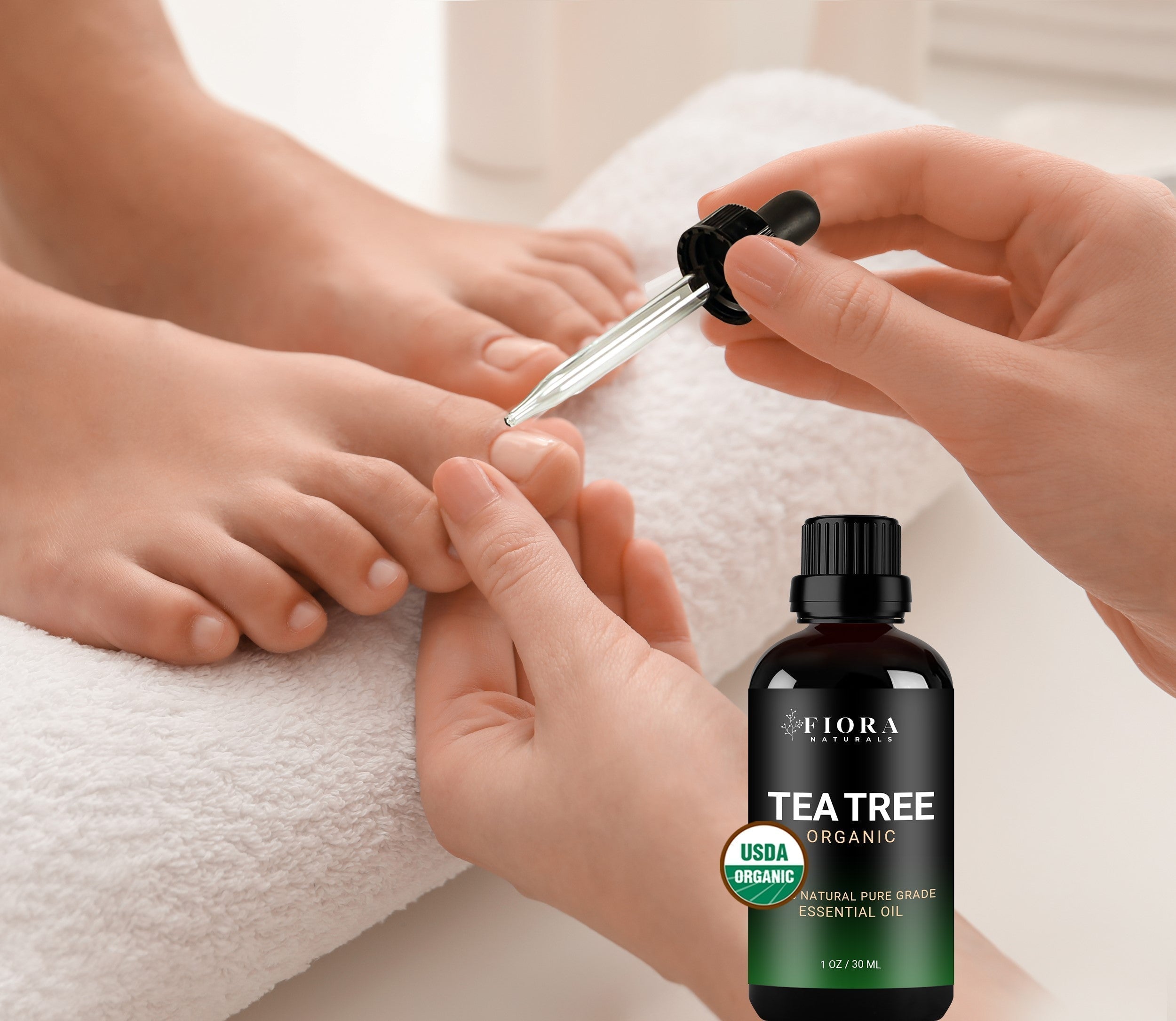
The best essential oil for toenail fungus
Many essential oils possess antifungal actions, but clove essential oil (Syzygium aromaticum) is among the most commonly recommended. A 2007 study reported that clove oil demonstrates antifungal activity and can eliminate fungal organisms.
How to apply
Essential oils should always be mixed with a carrier oil before being applied to skin. They are not intended for internal use. Advocates advise diluting clove oil into a carrier oil such as:
- almond oil
- apricot kernel oil
- argan oil
- blackseed oil
- coconut oil
- grapeseed oil
- jojoba oil
- olive oil
- peach kernel oil
- rosehip oil
After combining clove essential oil with your chosen carrier oil, use this regimen:
- Wash your feet, toes, and nails with soap and water.
- Thoroughly dry them with a soft towel.
- Place a drop or two of the oil mixture on the affected nail.
- Allow the oil to penetrate for about 10 minutes.
- Gently scrub the nail with a soft-bristled toothbrush.
- Repeat each day until the unhealthy nail is succeeded by a new, healthy nail. This process may take several months.
Other commonly used essential oils for toenail fungus
Additional essential oils that may help eradicate toenail fungus and reduce the chance of recurrence include:
- cinnamon essential oil (Cinnamomum verum)
- eucalyptus essential oil (Eucalyptus globulus)
- lavender essential oil (Lavandula angustifolia)
- lemon essential oil (Citrus limon)
- lemongrass essential oil (Cymbopogon citratus)
- manuka essential oil (Leptospermum scoparium)
- Ocotea essential oil (Ocotea bullata)
- oregano essential oil (Origanum vulgare)
- peppermint essential oil (Mentha piperita)
- tea tree essential oil (Melaleuca alternifolia)
- thyme essential oil (Thymus vulgaris)
Essential oil blend for toenail fungus
A popular mixture among natural health advocates for addressing toenail fungus is commonly called “thieves oil.”
The origin tale varies somewhat by source, and recipes differ slightly, but the core legend suggests medieval grave robbers used the blend on their hands to avoid contracting the bubonic plague.
Thieves oil formula
Combine the following essential oils:
- 20 drops of cinnamon
- 40 drops of clove
- 15 drops of eucalyptus
- 35 drops of lemon
- 10 drops of rosemary
Many recommend diluting this mixture in a carrier oil — for instance, one drop of thieves oil to four drops of carrier oil — and applying it daily to nails affected by fungus.
Preventing reinfection
While treating and after recovery, use these precautions:
- Wash your feet frequently.
- Completely dry your feet after washing.
- Apply moisturizer to nails after washing and drying.
- Trim nails straight across. File down any thickened areas.
- Sanitize nail clippers after every use.
- Avoid using nail polish.
- Pick shoes made from breathable materials.
- Treat older footwear with antifungal powders or sprays, or discard them.
- Wear flip-flops or slides in communal locker rooms and around pools.
- Choose sweat-wicking socks made from natural fibers.
- Consider changing socks once or twice daily.

The takeaway
Although some clinical evidence suggests essential oils can be moderately effective against toenail fungus, it’s prudent to discuss any treatment with your physician before beginning. Your doctor can advise on reducing potential risks and help you manage your specific fungal nail condition.
Frequently Asked Questions
Some essential oils show antifungal properties and may reduce fungal growth when applied topically over time, but they are not guaranteed cures. Severe or persistent infections should be evaluated by a healthcare provider and may require prescription antifungal medications.
Always dilute essential oils in a carrier oil (for example, coconut or jojoba). Clean and dry the foot, apply a drop or two of the diluted mixture to the affected nail, let it penetrate for several minutes, gently scrub, and repeat daily until improvement is seen.
Commonly used oils include clove, tea tree, oregano, thyme, cinnamon, eucalyptus, lavender, lemon, lemongrass, and manuka due to their reported antifungal activity.
Yes. Essential oils can irritate skin, cause allergic reactions, or burn if used undiluted. They are not for internal use. Patch-test a diluted mixture on healthy skin first and discontinue if irritation occurs. Consult a healthcare professional if you have underlying health conditions or take medications.
Toenail fungal infections often require months of consistent treatment because nails grow slowly. You may need several weeks to months before noticing visible improvement, and full resolution can take several months as a new healthy nail grows in.
Read Next





Related Posts

Letrozole Price, Savings, and Coupon
Aug 17, 2026 • 10 min readAll About Xarelto
Oct 5, 2026 • 23 min read
What Causes an Enlarged Uterus and How Is It Treated?
Sep 1, 2026 • 24 min read
Top 10 Benefits of Sleeping Naked
Aug 27, 2026 • 23 min read
How to Clean Invisalign: Do’s, Don’ts, and Best Practices
Sep 8, 2026 • 27 min read