What Are Medicare Part B Excess Charges?


- Key takeaways
- What are Medicare Part B excess charges, and how do they work?
- Your doctor accepts Medicare assignment
- Your doctor doesn’t accept Medicare assignment
- Your doctor has opted out of Medicare completely
- Which states do not allow Medicare Part B excess charges?
- How to avoid Medicare Part B excess charges
- Does Medigap cover Medicare Part B excess charges?
- What is Medicare Part B?
- The takeaway
Key takeaways
If a physician doesn’t accept Medicare assignment, they may bill you up to 15% above the Medicare-approved amount. This extra fee is called a Part B excess charge.
Eight states prohibit Medicare Part B excess charges: Connecticut, Massachusetts, Minnesota, New York, Ohio, Pennsylvania, Rhode Island, and Vermont.
You can prevent excess charges by confirming your provider accepts Medicare assignment. Additionally, Medigap Plans F and G pay for Part B excess charges.
Medicare assignment is the payment amount Medicare has approved for a given medical service. Providers who accept Medicare assignment agree to that approved amount as full payment.
Physicians who don’t accept Medicare assignment might charge more than the Medicare-approved amount. The portion above that amount is called a Part B excess charge.
These fees are on top of your deductible, coinsurance, and copays. They do not count toward your deductible.
Medicare caps these additional fees at 15%. This cap is known as the limiting fee or limiting charge and represents the highest surcharge a provider can add above the Medicare-approved amount for certain services.
Some Medigap policies may pay Part B excess charges. A handful of states have banned these fees entirely.
Part B excess charges can lead to notable out-of-pocket costs, but there are strategies to avoid them.
What are Medicare Part B excess charges, and how do they work?
Not all providers accept Medicare assignment. Providers who do accept assignment agree to take the Medicare-approved amount as payment in full for a service.
A provider that declines Medicare assignment can bill you up to 15% more than the Medicare-approved amount. That additional charge is the Part B excess charge.
Some providers opt out of Medicare entirely. In that situation, Medicare won’t pay for care from that provider unless it’s an emergency. Providers may opt out in two-year increments and must renew that choice every two years.
If you see a provider or equipment vendor who accepts Medicare assignment, you’ll only be billed the Medicare-approved amount.
Those providers submit claims directly to Medicare instead of billing you first. Medicare covers 80% of the approved amount, and you receive a bill for the remaining 20%.
Providers who don’t accept assignment may require full payment up front. You would then need to seek reimbursement from Medicare for 80% of the Medicare-approved portion of the charge.
Here are a few scenarios illustrating how this works:
Your doctor accepts Medicare assignment
Your primary care doctor who accepts Medicare might bill $300 for an in-office procedure. They would submit that claim to Medicare rather than asking you to pay the complete sum.
Medicare would remit 80% of that bill ($240). Your physician would bill you for the remaining 20% ($60). Your out-of-pocket expense would be $60.
Part B excess charges do not apply toward your Part B deductible.
Your doctor doesn’t accept Medicare assignment
If you visit a doctor who declines Medicare assignment, they might charge $345 for the same in-office procedure. The extra $45 reflects the 15% surcharge over the amount a provider accepting assignment would charge. That is the Part B excess charge.
Rather than billing Medicare, the provider could require you to pay the full $345 up front. You would then file a claim with Medicare for reimbursement equal to 80% of the Medicare-approved amount ($240).
In this example, your total out-of-pocket would be $105.

Your doctor has opted out of Medicare completely
When a physician has opted out of Medicare entirely, they are treated as nonparticipating. In that case, the provider might bill you $400 for the same in-office procedure. Medicare would not cover any of that cost ($0).
The provider won’t submit a claim to Medicare and will expect you to pay the full $400 in advance. You might negotiate a private payment arrangement directly with them.
You cannot file for Medicare reimbursement, so your total out-of-pocket cost would be $400.
Which states do not allow Medicare Part B excess charges?
Some states have enacted laws making it illegal for providers to impose Medicare Part B excess charges. Those states are:
- Connecticut
- Massachusetts
- Minnesota
- New York
- Ohio
- Pennsylvania
- Rhode Island
- Vermont
If you reside in one of these eight states, you won’t face Part B excess charges when seeing an in-state provider.
You can still incur Part B excess charges if you receive care from an out-of-state provider who doesn’t accept Medicare assignment.
How to avoid Medicare Part B excess charges
Don’t assume a provider accepts Medicare. Always ask whether they accept assignment before scheduling an appointment or service.
It’s wise to verify a provider’s acceptance of Medicare and to ask about anticipated costs, even for clinicians you’ve seen previously.
Does Medigap cover Medicare Part B excess charges?
Medigap is supplemental coverage you can buy if you have Original Medicare (Parts A and B). Medigap policies help cover gaps left by Original Medicare, such as deductibles, copays, and coinsurance.
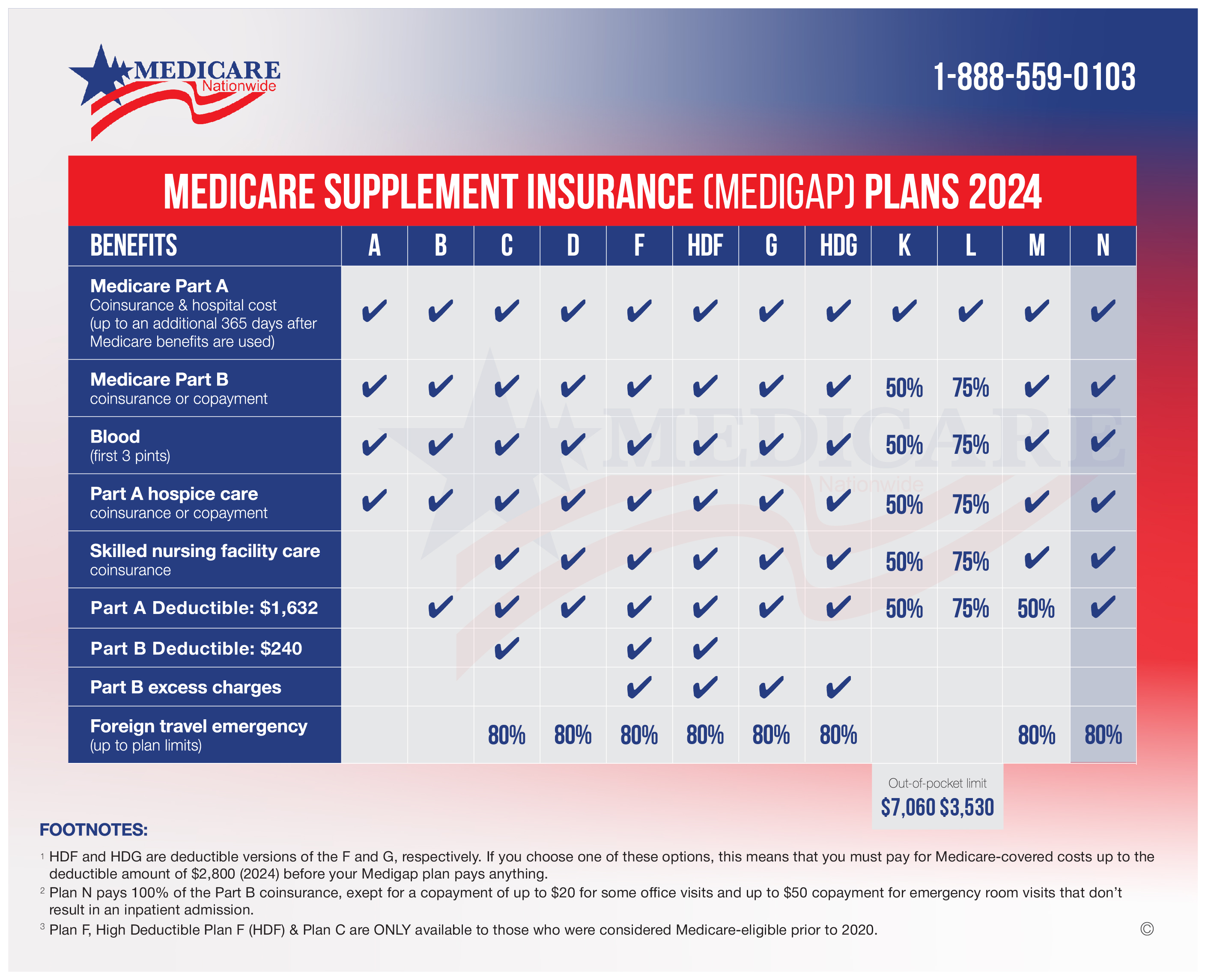
The Medigap plans that pay Part B excess charges are:
- Medigap Plan F: Plan F is no longer available to most new Medicare enrollees. If you became eligible for Medicare before January 1, 2020, you may still enroll in Plan F. Current Plan F holders can keep it.
- Medigap Plan G: Plan G is a comprehensive option that covers many services Original Medicare does not. Like other Medigap plans, it requires a monthly premium in addition to your Part B premium.
What is Medicare Part B?
Medicare Part B covers outpatient services, including physician visits and preventive care. Together with Part A, Part B forms Original Medicare.
Examples of services covered by Part B include:
- flu shots
- cancer and diabetes screenings
- emergency room care
- mental health services
- ambulance transport
- laboratory tests
The takeaway
If your doctor, supplier, or provider doesn’t accept Medicare assignment, they may charge you up to 15% more than the Medicare-approved amount. That surcharge is called a Part B excess charge.
You can avoid paying Part B excess charges by seeing providers who accept Medicare assignment.
Medigap Plans F and G cover Part B excess charges. However, you may still need to pay your provider initially and wait for reimbursement.
Frequently Asked Questions
Medicare Part B excess charges are fees a nonparticipating provider may bill up to 15% above the Medicare-approved amount when they don’t accept Medicare assignment.
Eight states ban Part B excess charges: Connecticut, Massachusetts, Minnesota, New York, Ohio, Pennsylvania, Rhode Island, and Vermont.
Confirm that your provider accepts Medicare assignment before receiving services, ask about expected charges in advance, and choose participating providers when possible.
Yes. Medigap Plan F (available only to those eligible before Jan 1, 2020) and Medigap Plan G can cover Part B excess charges, though premiums apply.
If a provider has opted out, Medicare won’t pay for their services; you must pay the full cost directly and cannot seek Medicare reimbursement except in emergencies.






Related Posts

Biktarvy and Cost: What You Need to Know
Sep 2, 2026 • 23 min read
Cherries for Diabetes: Should They Be Part of Your Diet?
Aug 15, 2026 • 32 min readSide Effects of Trulicity: What You Need to Know
Aug 16, 2026 • 35 min read
What Is Cigna Express Scripts for Medicare?
Sep 5, 2026 • 8 min readSide Effects of Eligard: What You Need to Know
Aug 14, 2026 • 6 min read