What Are the Purported Benefits and Uses of PanAway Essential Oil?

- What is PanAway oil?
- Claimed benefits and uses of PanAway oil
- Precautions
- Can you make your own PanAway blend?
- Essential oils for sore muscles
- Best practices for essential oils
- Peppermint oil
- Orange oil
- Eucalyptus oil
- Lavender oil
- Essential oils for skin care
- Lemon oil
- Tea tree oil
- Clary sage oil
- Precautions
- Key takeaways
For millennia, concentrated plant extracts known as essential oils have been utilized in remedies, perfumes, and rituals. With nearly 400 distinct essential oils derived from flora worldwide, determining which ones suit your needs can be overwhelming.
To simplify selection, some brands produce blended essential oil formulations aimed at particular concerns. PanAway is one such blend, promoted for easing muscle soreness and discomfort. Yet, at present there’s no peer-reviewed evidence to substantiate the manufacturer’s promotional assertions.
Below, we examine the principal components of PanAway oil, the claimed effects and applications, and alternative essential oils that may offer comparable benefits.

What is PanAway oil?
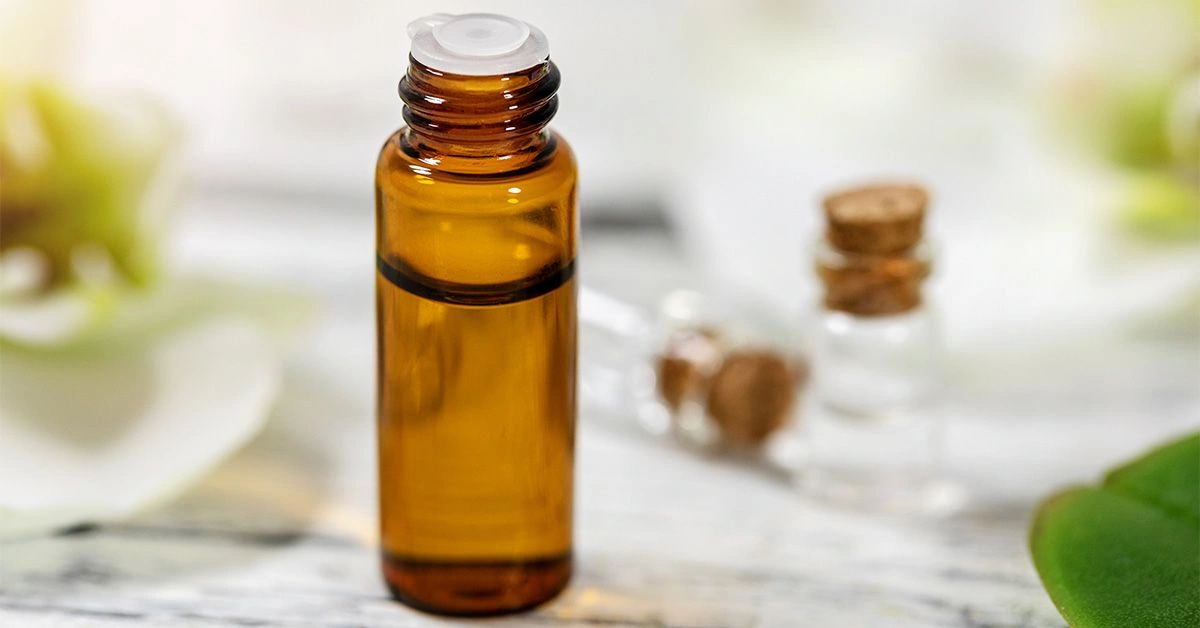
PanAway is a blended essential oil product sold by Young Living. Its composition includes these essential oils:
- wintergreen
- clove
- helichrysum
- peppermint
Claimed benefits and uses of PanAway oil
PanAway is intended for topical use to help relieve achy muscles following exercise or physical exertion. It is also promoted as a topical that can calm the skin and enhance its look. Nonetheless, clinical research validating these claims is lacking.
Precautions
Because some ingredients may increase photosensitivity, avoid direct sun exposure and UV light for as long as 12 hours after applying PanAway to the skin.
Can you make your own PanAway blend?
Since PanAway is a mixture of essential oils, you can recreate a similar blend by combining the listed ingredients yourself. You’ll need to adjust and test the proportions of each oil to match the desired scent and strength.
Alternatively, consider using single, pure essential oils that have evidence supporting their use for muscle discomfort and skin care. The next sections describe several such oils and what they may offer.
Essential oils for sore muscles
A variety of essential oils are commonly used to ease sore muscles. Some are also applied for joint discomfort and inflammatory issues linked with conditions like rheumatoid arthritis.
Best practices for essential oils
Before experimenting with essential oils, follow these safety guidelines:
- Always dilute essential oils in a carrier oil (for example, coconut or jojoba) before applying them to skin.
- Conduct a patch test: apply a small amount to a discreet area and wait 24 hours to check for irritation.
- Many essential oils are toxic if swallowed — do not ingest them and keep them away from children and pets.
- Choose pure essential oils from trusted suppliers.
- Consult your physician to ensure a chosen oil won’t interact with any medications you take.
Peppermint oil
Peppermint is often recommended for reducing inflammation. It naturally contains menthol and limonene, compounds that can support healing. The oil may also help with muscle spasms, and some research indicates potential benefit for headaches.
Peppermint oil exhibits anti-inflammatory , analgesic, antimicrobial , and antiseptic qualities. However, it can cause side effects like heartburn or nausea and may interact with certain drugs.
Orange oil
Orange essential oil is another option for addressing inflammation. It contains natural antioxidants but can also induce photosensitivity, so avoid applying it to exposed skin before sun exposure.
Eucalyptus oil
Eucalyptus oil comprises constituents such as cineole, aromadendrene, limonene, terpinene, cymene, phellandrene, and pinene. These components are thought to aid with headaches and may also ease muscle and joint discomfort.
Eucalyptus has demonstrated antioxidant activity and anti-inflammatory effects.
Lavender oil
Lavender shares some properties with eucalyptus and may relieve general aches and pains. It’s also believed to help ease headaches.
Essential oils for skin care
If your goal is to calm the skin and improve its appearance, several essential oils may help.
Lemon oil
Lemon essential oil contains antioxidants that can refresh and brighten lackluster skin. It also offers antiseptic, astringent, and detoxifying properties that may reduce blemishes linked to oily skin.
Tea tree oil
Tea tree oil is often used to address oily skin. Tea tree extracts have antibacterial, anti-inflammatory, antiviral, insecticidal, and immune-stimulating attributes.
Clary sage oil
Clary sage essential oil is another option to consider — it may help with acne, fine lines, and even the appearance of cellulite.
Precautions
Exercise caution with any essential oils you try. These products are not strictly regulated, making it hard to know the precise concentrations of active constituents in each bottle.
You could be allergic to certain components, and oils can interact with prescription medications.
Always follow label instructions, store oils safely, and discontinue use if you develop a rash or other adverse skin reaction.
If an adult or child accidentally swallows an essential oil or a product containing one, seek medical care immediately.
Key takeaways
PanAway is marketed as a topical blend intended to relieve muscle discomfort and soothe skin, but there’s no scientific research confirming these specific claims.
As alternatives, single essential oils with some supporting research — such as lemon, eucalyptus, and tea tree — may be useful for muscle soreness and skin issues.
Use essential oils responsibly:
- Conduct a patch test before widespread use to check for allergic responses.
- Talk with your healthcare provider to ensure the oil won’t interfere with your medications.
- Keep oils stored securely out of reach of children and pets.
Frequently Asked Questions
PanAway is a blended essential oil sold by Young Living that contains wintergreen, clove, helichrysum, and peppermint, marketed for topical use to help with muscle soreness and skin calming.
PanAway is intended for topical application, usually diluted in a carrier oil before rubbing onto sore muscles or areas of discomfort; follow product instructions and perform a patch test first.
There is no robust peer-reviewed research directly validating the manufacturer’s specific claims for PanAway; some individual oils in the blend have preliminary evidence for analgesic or anti-inflammatory effects.
Avoid ingesting it, dilute in a carrier oil, perform a patch test for allergies, and note that some ingredients can increase photosensitivity—avoid sun or UV exposure after application.
Yes—you can recreate a similar blend by combining wintergreen, clove, helichrysum, and peppermint in chosen proportions, but test strength and skin compatibility and consult a healthcare provider if needed.



Related Posts

What Is the Webster Method?
Aug 13, 2026 • 18 min read
Everything You Need to Know About Robotripping
Aug 8, 2026 • 20 min read
Is It Possible to Be ‘Too Wet’? Is This Really a Turn-Off?
Sep 16, 2026 • 4 min read
Habba Syndrome: What It Is and What to Do About It
Aug 21, 2026 • 30 min read
What Does a Continuous Passive Motion (CPM) Machine Do?
Aug 28, 2026 • 33 min read