What Causes Bleeding After Being Fingered?

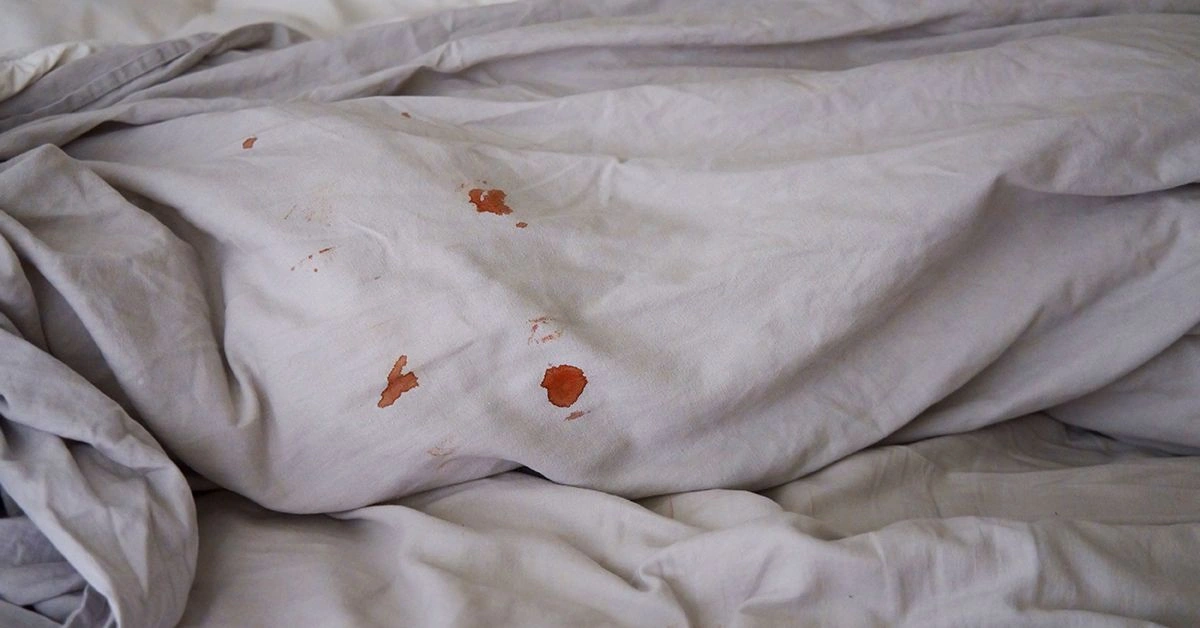
Light bleeding following penetration can be caused by small abrasions or tiny tears. In some instances, bleeding may signal an infection or another underlying issue.
Fingering is often an enjoyable and relatively low-risk sexual activity. Problems are uncommon, but occasionally you might notice some minor bleeding afterward.
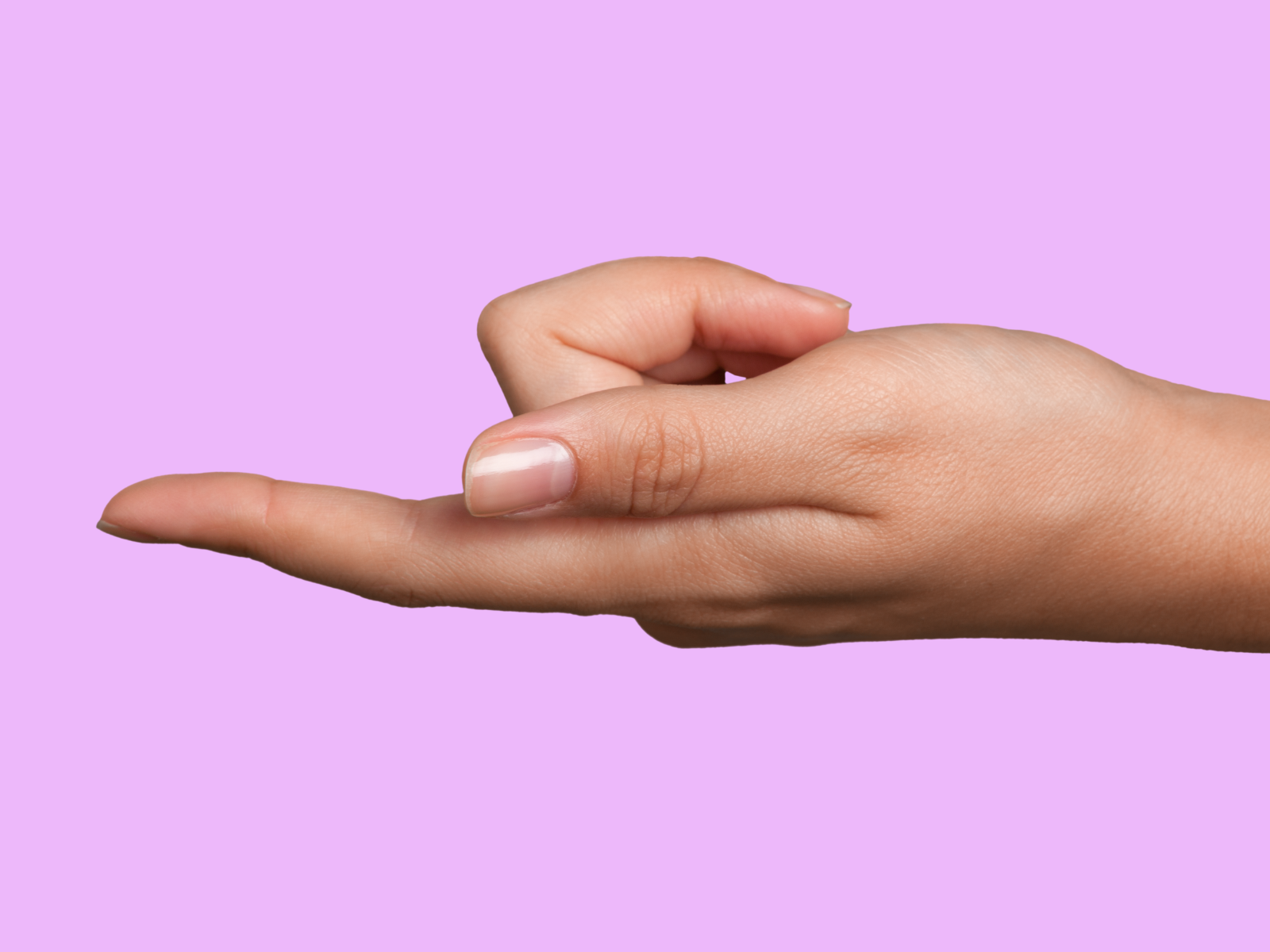
Common causes
Dryness
Insufficient lubrication inside the vagina or around the vaginal opening can raise the chance of injury. Reduced moisture may result from where you are in your menstrual cycle, hormonal contraceptives, or a lack of sufficient arousal.
Injury
The tissues in and around the vagina are fragile. Any excess pressure or force can create a small tear. Likewise, sharp or jagged fingernails can scratch the vaginal canal.
Stretched hymen
The hymen is a thin membrane at the vaginal entry. It can stretch or tear during fingering, particularly if it’s your first time experiencing vaginal penetration of any type.
Infection
Sometimes bleeding arises from irritation or inflammation of the vulva, vagina, or cervix. Conditions like vaginitis and cervicitis are frequently linked to infections, such as:
- bacterial vaginosis (BV)
- chlamydia
- gonorrhea
- trichomoniasis
- yeast infection
When to see a doctor or other healthcare provider
Most instances of bleeding will stop on their own within a few hours to a few days. Consider seeing a healthcare provider if bleeding continues or is paired with other symptoms, including:
- thick or chunky discharge
- gray, green, or yellowish discharge
- a fishy or otherwise unpleasant odor
- pain that prevents you from carrying out normal activities
You might need medication to help the scratch or tear heal and to lower your risk of infection. It’s also wise to avoid vaginal penetration for about a week after any bleeding, so the vaginal lining has time to recover.
How to reduce the chance of bleeding after fingering
Keeping hands and nails clean is essential for solo or partner penetrative activities. Wearing disposable gloves or finger cots can help prevent introducing bacteria.
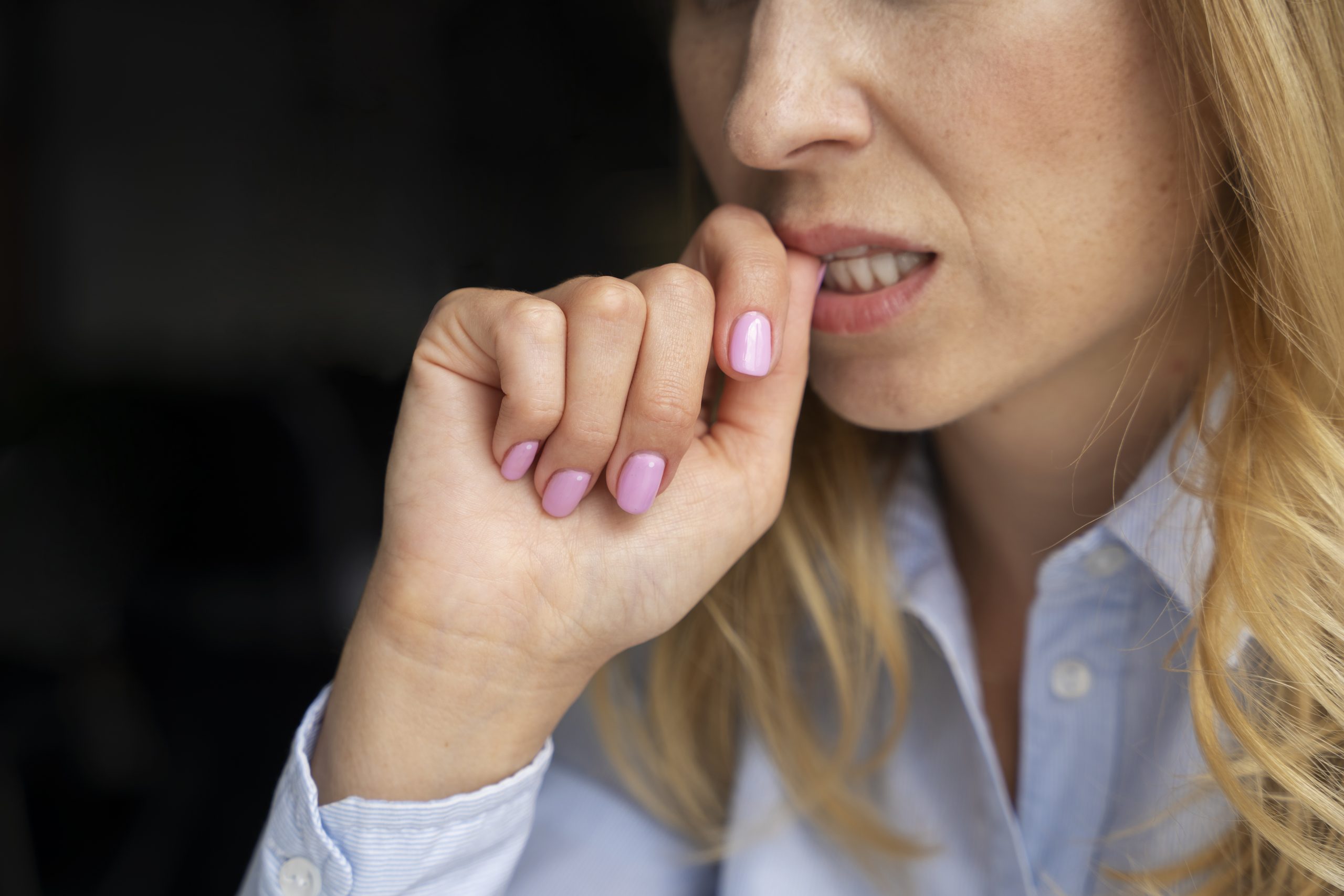
Some people prefer to trim or file their nails the day before sexual activity. If you want to keep your nails long, consider using a protective barrier—such as cotton—over and under the fingertips.
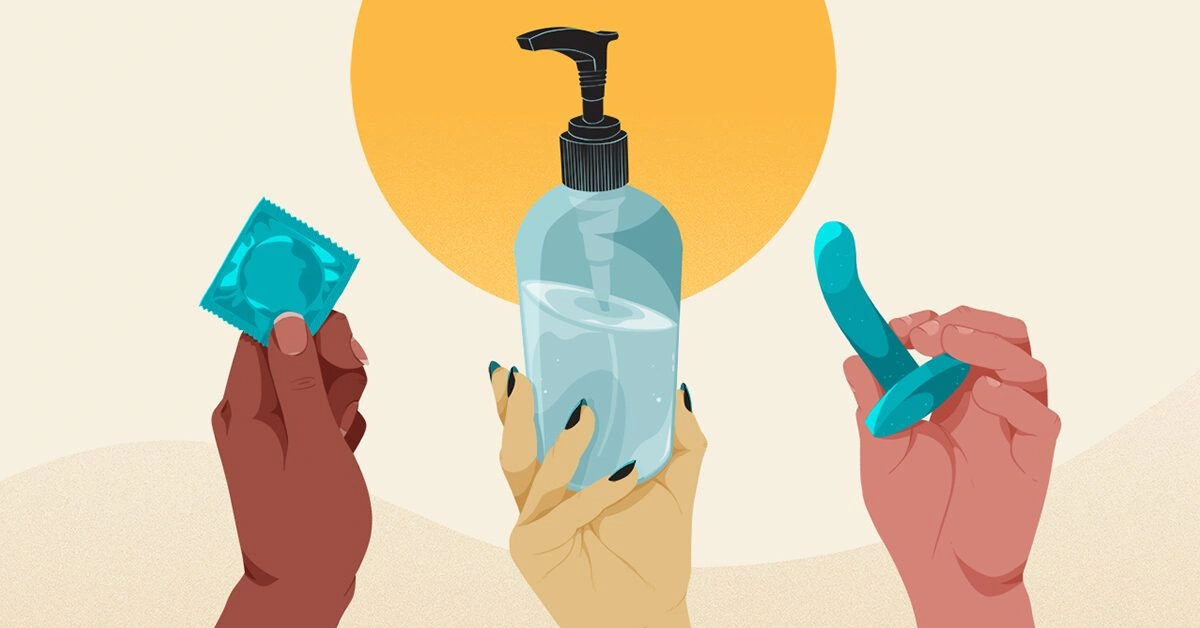
Using a good-quality lubricant can greatly improve comfort. Lube minimizes friction and lowers the likelihood of injury.
Remember that you can stop anytime. If you feel pain or discomfort, communicate with your partner. Clear communication about what feels pleasurable and what doesn’t is important.
The bottom line
Spotting or light bleeding after being fingered is usually not worrisome and typically clears up without medical intervention. If your symptoms are significant or persistent, schedule an appointment with a healthcare professional.
Frequently Asked Questions
Light bleeding often comes from small abrasions, tiny tears, or stretching of the hymen. Low lubrication or sharp nails can increase the chance of minor injury.
Yes. Infections like bacterial vaginosis, chlamydia, gonorrhea, trichomoniasis, or a yeast infection can cause irritation and bleeding, particularly if accompanied by unusual discharge or odor.
Minor spotting typically stops within a few hours to a few days. If bleeding persists, is heavy, or occurs with severe pain or abnormal discharge, see a healthcare provider.
Keep nails trimmed and smooth, wash hands before contact, use lubricant to reduce friction, consider finger cots or gloves, and communicate with your partner to avoid painful penetration.
Seek medical care if bleeding continues, is heavy, or is accompanied by thick, foul-smelling discharge, fever, or pain that limits daily activities—these may indicate infection or a more serious issue.





Related Posts

Think You or Your Partner Have ‘Intimacy Anorexia’? Read This First
Sep 24, 2026 • 36 min read
Everything You Should Know Before Getting a Fourchette Piercing
Sep 21, 2026 • 16 min read
Cómo lograr un orgasmo anal: 35 consejos para ti y tu pareja
Aug 21, 2026 • 30 min read
How to Use Vaginal Suppositories: A Step-by-Step Guide
Aug 19, 2026 • 35 min read
What Does Sexual Coercion Look Like?
Jul 31, 2026 • 5 min read