Can Essential Oils Treat Varicose Veins?

Does it work?
Varicose veins are swollen, protruding veins. They can be inherited or arise from weakened vein walls, blood accumulation, and poor circulation. Symptoms can include aching, burning, swelling, and itching. Certain essential oils are sometimes used as complementary remedies for varicose veins.
What the research says
As with many complementary approaches, there is limited published scientific evidence specifically evaluating essential oils for varicose veins. Theoretically, oils purported to boost circulation, lessen swelling, and relieve pain could offer benefit.
Lavender essential oil is commonly used in aromatherapy for pain relief and to reduce inflammation. A 2012 study found lavender oil helped shorten the duration and reduce the size of ulcers. Skin ulcers are a frequent complication of varicose veins. Additional research indicates lavender possesses analgesic and sedative properties that may assist in managing varicose vein discomfort.
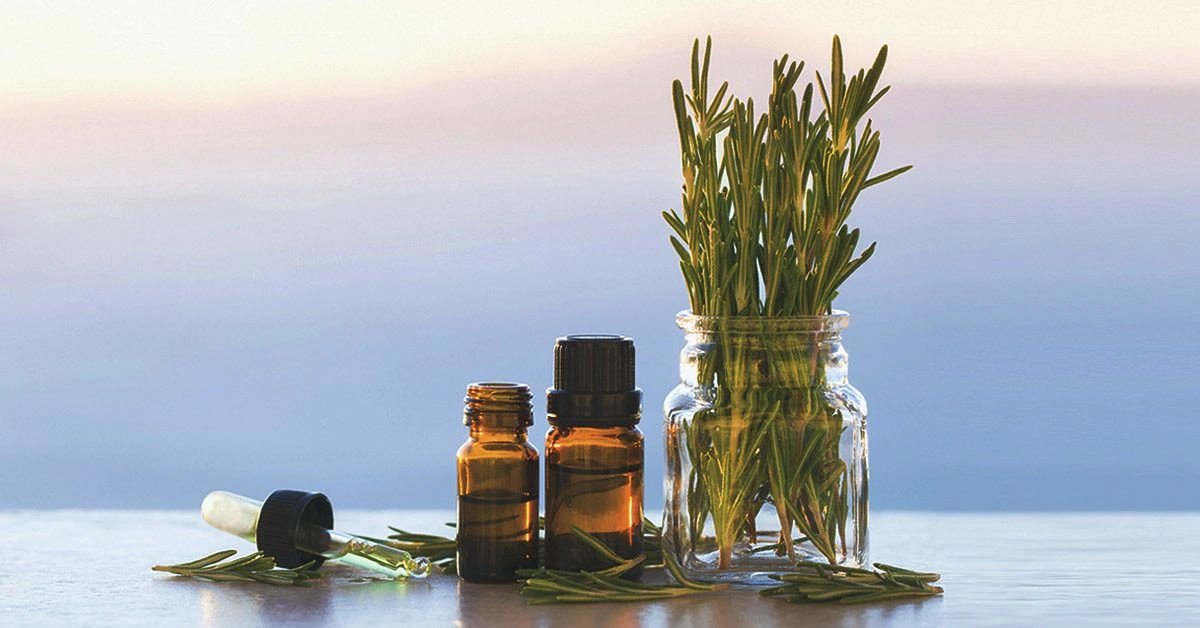
Rosemary essential oil is believed to support blood circulation. A 2009 in vitro study suggested rosemary oil can enhance local blood flow and alleviate pain.
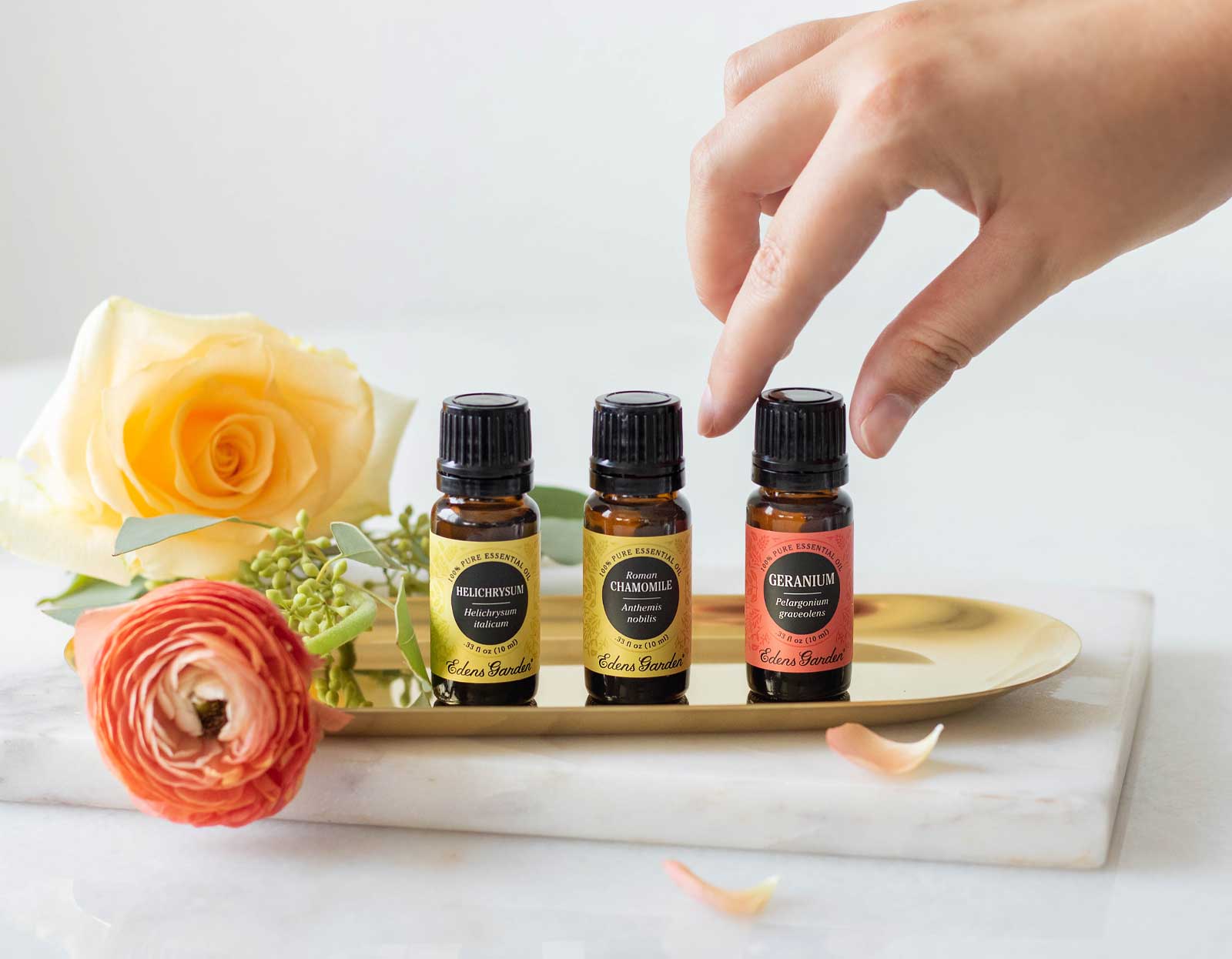
The Ann Arbor Institute of Massage Therapy lists other essential oils often used to promote circulation, including:
- clary sage
- cypress
- grapefruit
- helichrysum
- lemon
- lemongrass
- orange
- rose
- sage
- tangerine
Some essential oils noted for anesthetic or anti-inflammatory effects include:
- chamomile
- frankincense
- ginger
- myrrh
- peppermint
- spearmint
- vetiver
How to use essential oils for varicose veins
The West Coast Institute of Aromatherapy suggests several topical methods for applying essential oils to varicose veins:
- Make a warm or cool compress by soaking a cloth in a solution of five drops of essential oil diluted in 1 liter of water. Place the compress on the affected area for 15 minutes. Keep your legs elevated during use.
- Mix up to 30 drops of essential oil with about 3 tablespoons of a carrier oil. Common carriers are sweet almond oil, olive oil, coconut oil, or jojoba oil. You can also blend the oils into shea butter or cocoa butter. Massage the mixture into the affected area moving toward the heart.
- Dilute up to eight drops of essential oil in a small amount of carrier oil and add the blend to warm bathwater.
- For hemorrhoids (varicose veins of the anal area), place up to eight drops of diluted essential oils into a sitz bath.
To use essential oils to promote relaxation and relieve pain:
- Inhale directly from the bottle or an inhaler.
- Place a few drops on a handkerchief or cotton pad and breathe in.
- Use a room diffuser to disperse the scent.
Risks and warnings
When diluted, essential oils are generally considered safe for external use. Applying undiluted essential oils to skin can cause irritation or inflammation.
All essential oils carry the risk of allergic reactions. Signs of an allergic response may include:
- rash
- hives
- burning of the skin
- skin irritation
- difficulty breathing
- rapid heartbeat
Always patch-test a diluted blend on a small area of skin to check for adverse reactions. If there is no negative response, it is likely safe to use on a larger area. If you develop allergy symptoms after using essential oils, stop use and consult your physician.
If you are pregnant or breastfeeding, avoid using these oils without guidance from your doctor or a qualified aromatherapist.
For infants and children, essential oils should only be used under the direction of a healthcare professional, as some oils can have significant side effects in younger people.
Don’t assume all leg pain and swelling are due to varicose veins. Other serious, potentially life-threatening conditions such as blood clots can produce similar symptoms and must be excluded.
Other treatments for varicose veins
Lifestyle adjustments can often ease varicose vein symptoms. These measures include:
- avoiding long periods of sitting or standing
- losing weight if you are overweight
- avoiding tight clothing around the waist and legs
- elevating your legs above heart level when possible
- exercising regularly
- wearing compression stockings
If self-care is insufficient, your doctor may suggest more invasive options. These may include:
- Sclerotherapy: Injection of a solution into the varicose veins to close them and reduce their appearance.
- Laser surgery: High-intensity light pulses are applied to the veins, causing them to fade and disappear.
- Catheter-assisted procedures: A catheter heated by radiofrequency or laser energy is inserted into a large vein; as it is withdrawn, the vein collapses.
- Vein stripping: Large veins are tied off and removed through small cuts.
- Phlebectomy: Small veins are extracted through tiny punctures in the skin.
- Endoscopic surgery: Using a camera, large ulcerated veins are removed via small incisions.
Some herbal supplements may also help with varicose veins:
- Horse chestnut: A 2006 study found horse chestnut effective for symptoms of poor leg circulation such as heaviness, pain, and itching.
- Butcher’s broom: Research suggests butcher’s broom can reduce leg swelling related to poor circulation.
- Grape seed extract: Believed to contain compounds that enhance blood vessel elasticity, which may help prevent leakage that causes swelling.
Herbal products can cause side effects and interact with medications. Check with your healthcare provider before starting them.
What you can do now
If you’re unfamiliar with essential oils, educate yourself about safe usage before incorporating them into varicose vein care. A certified aromatherapist can advise which oils might suit your needs.
Meanwhile, small changes at home and work can reduce venous pressure and enhance circulation:
- Increase dietary fiber to prevent constipation.
- Walk frequently to stimulate leg circulation.
- Set an hourly reminder to get up and move — walk, do jumping jacks, or jog in place for at least five minutes.
- If your job keeps you in one position, alter your posture often. Do calf stretches while seated and march in place when standing.
- Avoid sitting with your legs crossed.
- Wear low-heeled shoes to help tone calf muscles and reduce blood pooling.
- Reduce salt intake to avoid water retention and swelling.
Frequently Asked Questions
Some essential oils like lavender and rosemary may help relieve pain and inflammation when diluted and applied topically, but evidence is limited and they should be used as complementary care, not a replacement for medical treatment.
Typically oils are diluted in a carrier oil (eg, sweet almond or jojoba) and massaged toward the heart, used in a diluted compress, or added sparingly to bathwater. Always patch-test first to check for skin reactions.
Yes. Undiluted oils can cause irritation or allergic reactions. Some oils are not safe during pregnancy or for children. Stop use if you experience rash, breathing difficulty, or other adverse effects and consult a healthcare professional.
Oils commonly used to support circulation include rosemary, cypress, clary sage, grapefruit, and helichrysum, while lavender is often used for pain and inflammation relief.
If you have severe pain, sudden swelling, signs of infection, ulcers, or suspect a blood clot, seek medical evaluation promptly. Essential oils should not replace professional care for serious conditions.

Related Posts

Top 10 Benefits of Sleeping Naked
Aug 27, 2026 • 12 min read
A Review of Priority STD
Jul 30, 2026 • 25 min read
What Is Sweet Annie and What Are the Benefits?
Aug 19, 2026 • 23 min read
Everything You Need to Know about Sensory Deprivation Tank Therapy
Aug 11, 2026 • 28 min read
Barley Tea: Nutrition, Benefits, and Side Effects
Aug 18, 2026 • 34 min read