A Brownie Recipe for People with Diabetes

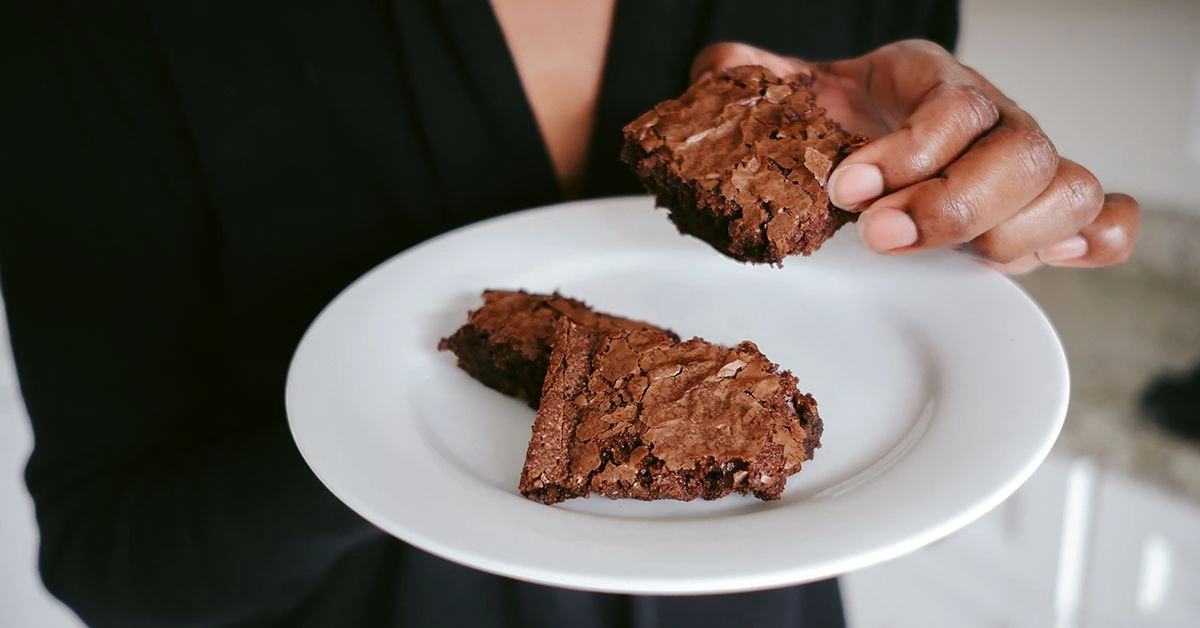
Made from nourishing components and without added sugars, these brownies deliver a dense, fudgy bite while preserving great flavor.
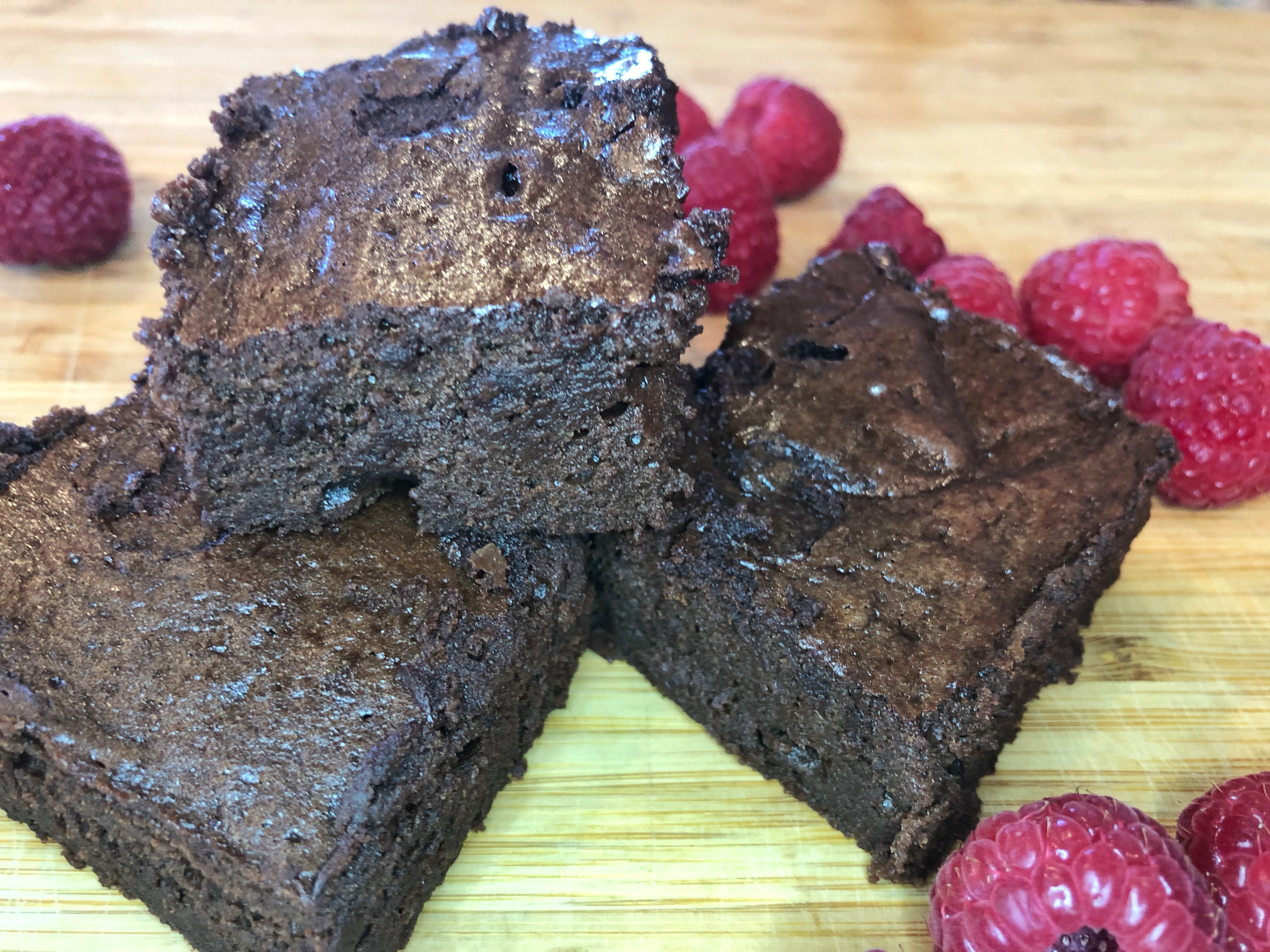
Bake smarter brownies
Overconsumption of sugar is often cited as a key factor linked to the development of type 2 diabetes, though diabetes arises from a mix of environmental, genetic, and metabolic influences.
Still, having diabetes doesn’t mean you must skip baked treats.
By swapping certain ingredients, classic desserts can be remade into appropriate alternatives. Your sweets can remain delicious and may even offer nutritional benefits.
Portion management completes the strategy. A small amount of something delightful can be very satisfying.
Simple Brownie Formula
- Prep time: 10 minutes
- Bake time: 25 to 28 minutes
- Makes 16 squares
Ingredients
- Shortening or nonstick spray, to coat pan liner
- 3/4 cup all-purpose flour
- 1/3 cup unsweetened cocoa powder
- 1/2 tsp baking powder
- 1/2 cup canola oil (or other vegetable oil)
- 1/2 cup unsweetened applesauce
- 1 cup powdered stevia extract (cup-for-cup sugar substitute)
- 3 eggs
- 2 teaspoons vanilla extract
- 1 cup sugar-free chocolate chips, divided
- 1 cup coarsely chopped walnuts or pecans, divided (optional)
Directions
- Preheat oven to 350º F (180°C). Line an 8 x 8-inch baking pan with foil or parchment, leaving edges to act as handles. Grease the liner with shortening or spray.
- In a small bowl, whisk together the flour, cocoa powder, and baking powder. Set aside.
- In a medium bowl, using an electric mixer on low (or a large spoon by hand), blend oil, applesauce, stevia, eggs, and vanilla. Gradually add the flour mixture, stirring until the dry ingredients are incorporated. Fold in 1/2 cup each of the chocolate chips and chopped nuts.
- Spread the batter into the prepared pan. Scatter the remaining chips and nuts over the top.
- Bake 25 to 28 minutes, or until a toothpick inserted in the center comes out with moist, fudgy crumbs. Avoid overbaking.
- Let brownies cool in the pan. Once cooled, use the liner to lift them onto a cutting board. Remove the liner and slice into squares.
- Keep brownies stored in an airtight container.
Nutrition information
One serving (one brownie) made with walnuts in this recipe contains roughly:
- 191 calories
- 15.6 g fat
- 14.4 g carbohydrates
- 2.5 g dietary fiber
- 3.8 g protein
Tips & tricks
- Read product labels carefully and choose stevia formulated to replace sugar cup for cup.
- Stevia is sweeter than sugar by concentration. While this recipe uses about half the sugar a typical brownie recipe would call for, you may want to tweak the stevia amount to suit your palate.
Bottom line
Brownies and other baked treats can fit into your eating pattern even if you have diabetes.
Sample menus from the American Diabetes Association suggest keeping carbohydrate totals for most meals around 45 to 60 grams. These meals should emphasize high-fiber choices and complex carbohydrates.
If you plan to include dessert, consider reducing carbs elsewhere in the meal. Or, if stopping at a single square is difficult, reserve indulgent treats for birthdays, holidays, or other special events.
Most importantly, savor it!
Frequently Asked Questions
Yes. This recipe replaces added sugar with a cup-for-cup stevia sweetener and uses applesauce and oil to keep texture, making it a lower-sugar option that can fit into a diabetes meal plan when eaten in proper portions.
One serving in this recipe contains about 14.4 grams of carbohydrates. Exact carb counts vary by brand of ingredients, so check nutrition labels for precision.
Yes. You can substitute another sugar-free, cup-for-cup sweetener, erythritol blend, or a measured amount of a liquid nonnutritive sweetener, but baking results (texture and sweetness) may vary.
If you need to omit nuts, simply leave them out or replace with seeds (like chopped pumpkin seeds). For chocolate chips, choose a sugar-free or low-sugar variety or use chopped dark chocolate with a high cocoa percentage and adjust portions accordingly.
Slice into 16 small squares to control portions. Store in an airtight container at room temperature for a few days or refrigerate to extend freshness; freeze individual squares for longer storage.
Read Next
The 20 Best Low Carb Vegetables (Plus 1 Great Low Carb Fruit)

Is Polypropylene a Safe Plastic to Use in Your Home?
Refined vs. Unrefined Coconut Oil: What’s the Difference?
Dieta cetogénica: Una guía detallada para principiantes sobre la dieta cetogénica

What Is California Poppy, and Does It Have Health Benefits?
White Mushrooms: Nutrition, Benefits, and Uses
Related Posts

Club Soda, Seltzer, Sparkling Water, and Tonic Water: A Comparison
Aug 7, 2026 • 13 min read
9 Powerful Health Benefits of Cumin
Aug 22, 2026 • 28 min read
Silver Cuisine Meal Delivery for Older Adults: A Complete Review
Aug 30, 2026 • 5 min read
What Is Free-Range Chicken?
Sep 3, 2026 • 15 min read
Raisins vs. Sultanas vs. Currants: What’s the Difference?
Aug 18, 2026 • 32 min read