Benefits of Shaving with Coconut Oil and How to Use


- Benefits of shaving with coconut oil
- How to shave with coconut oil
- Can you use coconut oil to shave every body area?
- Coconut oil shaving cream recipes
- Shea butter + coconut oil shaving cream
- Tropical coconut oil shaving cream
- Over-the-counter coconut oil shaving products
- Precautions and side effects
- Key takeaways
Step aside, traditional shave foams. There’s another contender: coconut oil.
This deeply hydrating oil can serve as a natural way to calm skin and provide a slick surface for shaving.
Keep reading to learn why coconut oil functions well as a shaving oil and how (and where) you can use it.
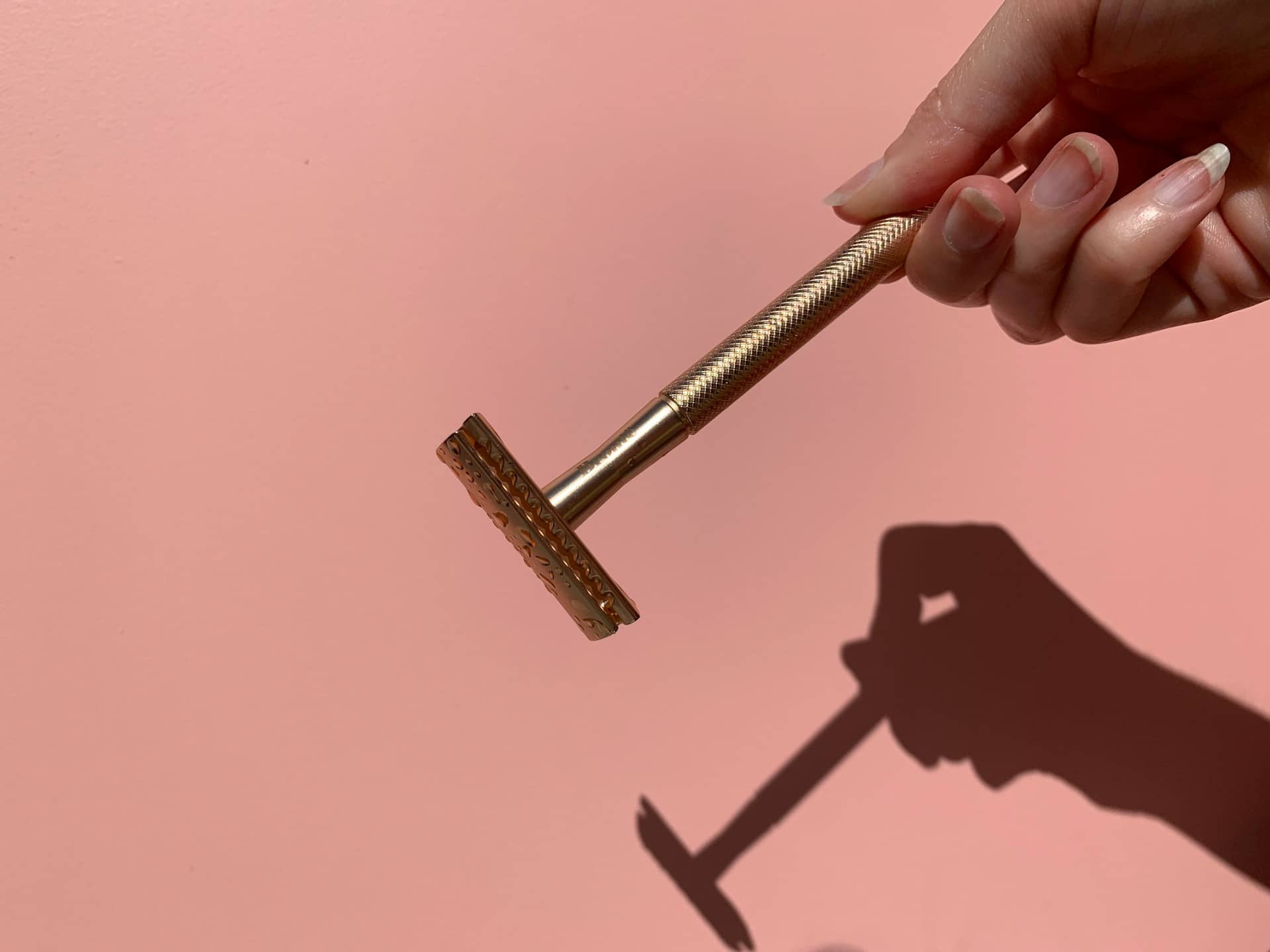
Benefits of shaving with coconut oil
Coconut oil offers several advantages when applied to the skin. Research shared in the International Journal of Molecular Science lists benefits such as:
- serving as an antibacterial barrier
- providing antioxidant activity
- decreasing skin inflammation
- helping restore the skin’s barrier
Coconut oil is rich in various free fatty acids that make it extremely moisturizing, including lauric, linoleic, and palmitic acids.
Most research on coconut oil’s skin advantages involves virgin coconut oil, per an article in Dermatology Times. Virgin oil hasn’t undergone chemical processing and contains no added extracts.
How to shave with coconut oil
You can use pure coconut oil or blend it with other skin-friendly ingredients, such as aloe vera, for a more lotion-like feel.
Ways to use coconut oil as a shaving lubricant include:
- Spread a thin coat of pure coconut oil onto clean skin. At room temperature coconut oil can be solid, so rub it between your palms or use steam from the shower to soften it.
- Let the oil absorb and relax the skin. You can also use coconut oil as a pre-shave treatment and apply another soap or cream over it.
- Rinse your razor often to prevent coconut oil from accumulating on the blade.
- Rinse your skin with warm water or pat it gently with a soft, warm towel. If you’ve already removed hair with the shave, this step may be optional.
- Apply more coconut oil after shaving to maintain softness.
Generally, if you have fine hairs—like those on the feet—you’re less likely to need the extra components of a traditional shave cream. Pure coconut oil typically performs well on fine hair.
Can you use coconut oil to shave every body area?
From the face to the pubic region to the legs, coconut oil can be used as a shaving medium in most places. One possible exception is very oily facial skin.
Those with oily complexions may notice breakouts after using coconut oil, though this doesn’t happen to everyone; coconut oil also has some anti-inflammatory effects that can help with acne.
For facial concerns or if you’re prone to clogged pores, consider testing small areas first or consult alternatives like women shaving face guidance.
Coconut oil shaving cream recipes
If you prefer a DIY approach, try these simple recipes to create your own coconut oil shaving cream at home.
Shea butter + coconut oil shaving cream
This fragrant, ultra-moisturizing blend from Skinny & Co. makes a rich shaving cream. Directions:
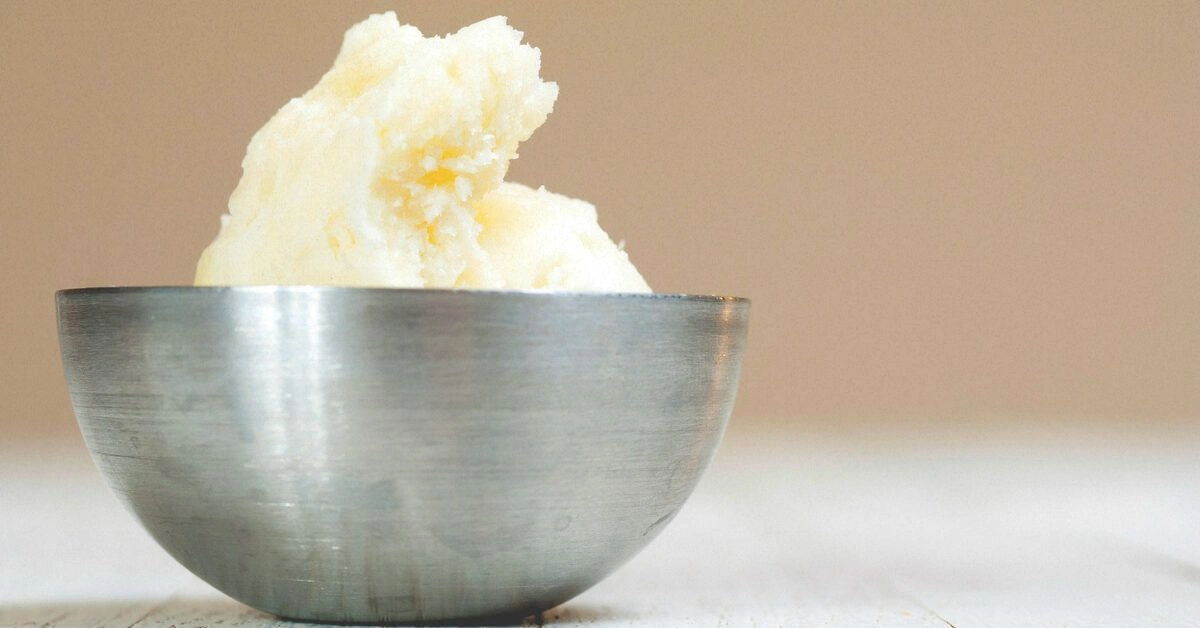
- Combine 3 tablespoons of coconut oil and 4 tablespoons of shea butter in a glass bowl.
- Warm a pot of water over low heat and set the bowl over the simmering water so the steam melts the ingredients.
- Carefully lift the bowl off the heat once everything is melted, using oven mitts to avoid burns.
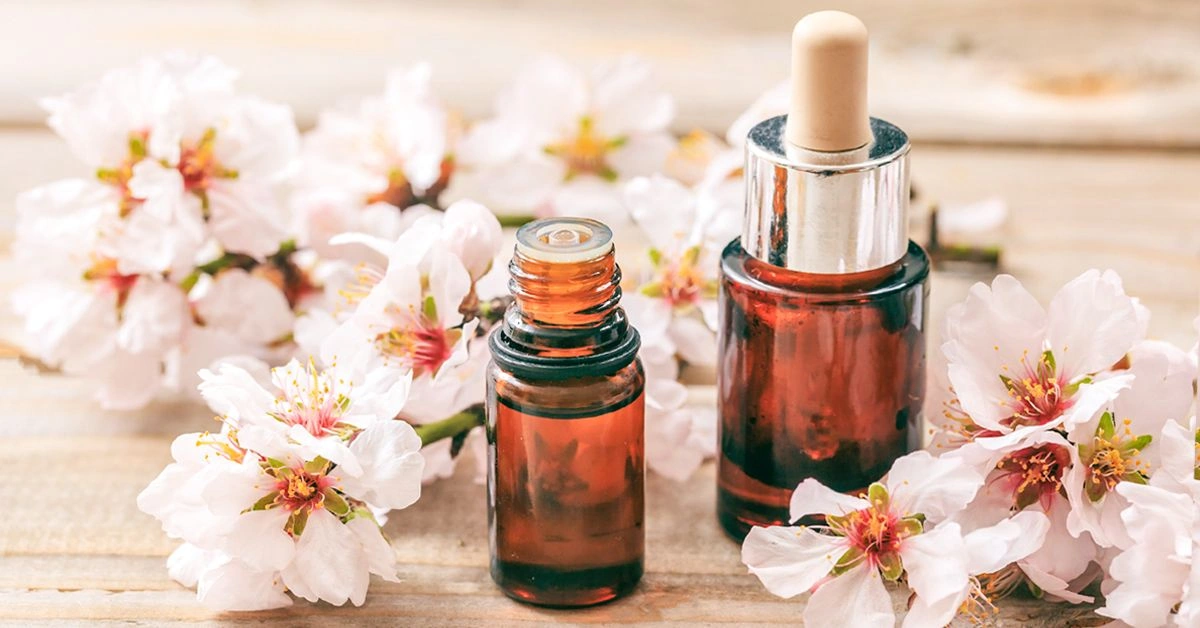
- Add a few drops of sweet almond oil.
- Place the mixture in the refrigerator to solidify.
- Remove and whip the chilled blend with a mixer until it reaches a frosting-like consistency.
- Store in an airtight glass jar and use when shaving.
Tropical coconut oil shaving cream
This recipe from Bulk Apothecary pairs aloe vera with coconut oil and a few drops of essential oil for a tropical feel.
- Mix 1/4 cup aloe vera, 1/4 cup coconut oil, and 4–6 drops of an essential oil you like, such as peppermint or lavender.
- Keep the mixture in an airtight plastic container.
- Apply a thin layer to the area you plan to shave and let it sit a few minutes so it can moisturize and soften the skin.
If the blend firms up between uses, try placing the container in your shower before application; the steam will soften it and make spreading easier.
Over-the-counter coconut oil shaving products
If homemade mixes aren’t your thing, there are commercial products containing coconut oil available, such as:
- Cremo Coconut Mango Moisturizing Shave Cream. A coconut oil–based shave cream blended with aloe vera, calendula, and papaya to soften skin. Find it online.
- Kopari Organic Coconut Melt. A 100% organic coconut oil suitable for dry shaving and as an overall moisturizer. Shop for it online.
You can also buy virgin coconut oil at most health-food stores and online. For those with sensitive skin concerns, resources about coconut oil for rosacea may be helpful.
Precautions and side effects
Some users may experience irritation from coconut oil. Dermatology Times reports irritation in about 3.0 to 7.2 percent of people who use it.
Symptoms of irritation include redness, itching, and mild swelling after application. Test coconut oil on a small patch of skin to ensure it doesn’t cause a reaction before using it more widely.
Key takeaways
Coconut oil can be an effective substitute for conventional shaving creams. This adaptable beauty staple also moisturizes and helps protect the skin.
A small portion of people may have a sensitivity to coconut oil. Always patch-test a small area before shaving to confirm it won’t irritate your skin.
Frequently Asked Questions
Yes. Coconut oil can act as a lubricant and moisturizer during shaving, providing a slick surface for the razor and helping protect skin. It works best on finer hair and when spread thinly or combined with other ingredients like aloe vera.
Many people can use coconut oil on the face, but if you have oily or acne-prone skin it may clog pores and cause breakouts. Patch-test a small area first and avoid if you notice irritation or increased oiliness.
Apply a thin layer of coconut oil, rinse the blade frequently during shaving, and wipe the razor between passes. Using warm water helps loosen and remove oil buildup from the blade.
Yes. Coconut oil can be used in most body areas, including the pubic region. Apply a thin coat, shave carefully, and follow with post-shave care. If you have sensitive skin, test a small patch first.
Some people experience redness, itching, or mild swelling after using coconut oil. These reactions are uncommon but possible—patch-test before wide use and discontinue if irritation occurs.




Related Posts
Everything You Need to Know About Glycerin Soap
Aug 3, 2026 • 21 min read
How to Get Perky Breasts Without Surgery
Sep 9, 2026 • 25 min read
What’s the Difference Between THC Lotion and CBD Lotion?
Aug 13, 2026 • 15 min read
Thinking About a Septum Piercing? Here’s What to Expect
Aug 19, 2026 • 3 min read
Green Tea for Hair: A Complete Guide
Aug 4, 2026 • 19 min read