Is Coke Zero Bad for You?


Coke Zero contains no calories but offers no meaningful nutrients. While beverages sweetened with artificial sweeteners might carry potential long-term risks — such as a higher likelihood of type 2 diabetes — additional research is required to draw firm conclusions.
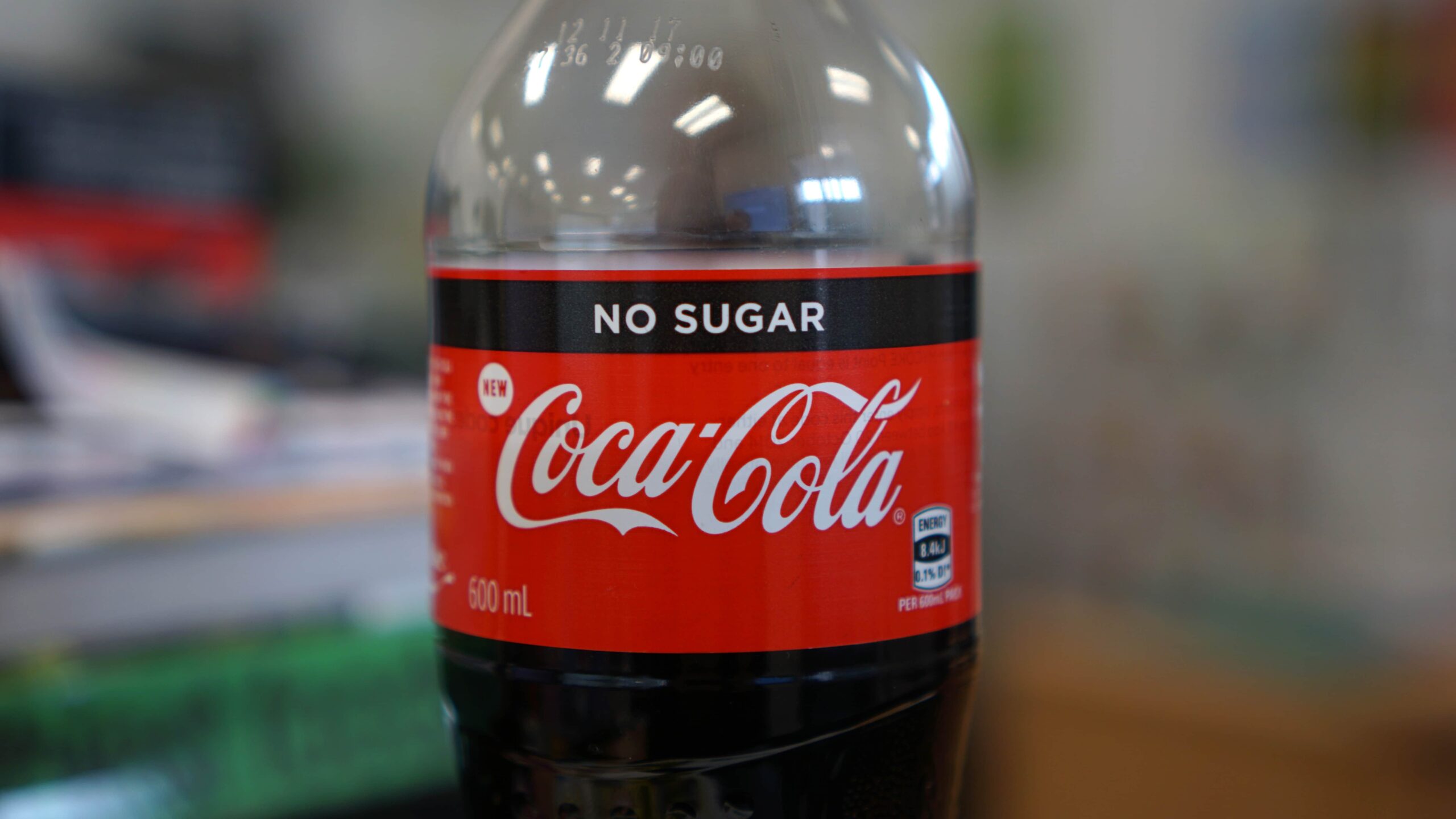
Recently rebranded as Coca‑Cola Zero Sugar, Coke Zero is promoted as a “better-for-you” alternative to the classic sugar-sweetened Coca‑Cola.
It delivers zero calories and no sugar while preserving the familiar Coca‑Cola taste, appealing to people trying to lower their sugar consumption or manage their weight.
This article examines Coke Zero in detail and considers whether it represents a healthy choice.
Zero nutritional benefit
Coke Zero contributes no calories and is not a meaningful source of nutrients.
One 12-ounce (354-ml) can of Coca‑Cola Zero Sugar (Coke Zero) contains:
- Calories: 0
- Fat: 0 grams
- Protein: 0 grams
- Sugar: 0 grams
- Sodium: 2% of the Daily Value (DV)
- Potassium: 2% of the DV
Artificial sweeteners provide the sweetness without adding calories.
The safety and health impacts of these sweeteners remain debated, and concerns about potential harms are rising.
Although findings are inconsistent, some studies indicate that artificial sweetener use could contribute to obesity and metabolic syndrome, a set of conditions that raise the risk of chronic disease.
Coca‑Cola Zero Sugar (Coke Zero) contains common non‑nutritive sweeteners such as aspartame and acesulfame potassium (Ace‑K), along with carbonated water, caramel color, various additives, and natural flavors.
The rebranded Coca‑Cola Zero Sugar differs from the previous Coke Zero only by slight adjustments to its natural flavor mix.
Artificial sweeteners and weight control
Evidence on how Coke Zero and other diet beverages affect weight is mixed.
A 2023 52‑week trial involving 493 adults found that participants who drank beverages with non‑nutritive sweeteners lost more weight over the study than those who drank water — an average loss of 16.5 pounds (7.5 kg) versus 13.4 pounds (6.1 kg) for the water group.
By contrast, a similar 12‑week trial observed no difference in weight loss between people drinking water and those consuming beverages with non‑nutritive sweeteners. The investigators also measured other outcomes, like waist circumference, and found no notable differences; the non‑nutritive sweetener group reduced waist size slightly more, by about 1 centimeter (cm).
A 2023 review of multiple studies concluded that non‑nutritive sweeteners do not produce immediate effects on metabolic or endocrine function.
The data on diet drinks and weight management remain conflicting, and more long-term research is necessary to determine whether artificial sweeteners affect the body through mechanisms beyond calorie replacement.
Diet sodas and dental erosion
Like regular sodas, diet colas such as Coke Zero are linked to a greater risk of tooth erosion.
Phosphoric acid is one of the primary ingredients in Coke Zero.
Research on human teeth indicates that phosphoric acid can produce mild enamel erosion.
One study observed that Coca‑Cola Light (Diet Coke) — which differs from Coke Zero in that it contains both phosphoric and citric acid — caused enamel erosion on freshly extracted cow teeth in as little as 3 minutes.
Other work suggests citric acid is more erosive than phosphoric acid, implying that Coke Zero may be slightly less damaging to tooth enamel than Diet Coke.
Nevertheless, Diet Coke was still less erosive than some beverages, including Sprite, orange juice, and apple juice.
Coke Zero and diabetes risk
Although Coke Zero is free of sugar, its sugar substitutes may not be a safer option for lowering diabetes risk.
A sizable 2023 cohort study of 105,588 people with a median follow‑up of 9.1 years reported that consumption of non‑nutritive sweeteners was associated with a higher risk of developing type 2 diabetes.
A 2024 review indicates that non‑nutritive sweeteners may negatively change the gut microbiome — the beneficial bacteria in your intestines that assist digestion — which could impair metabolic health and increase diabetes risk or worsen outcomes for people who have diabetes.
These studies do not yet clarify exactly how artificially sweetened beverages might raise diabetes risk, so further investigation is needed.
Other possible drawbacks
Artificially sweetened drinks like Coke Zero have been associated with several other health concerns, including:
- Higher heart disease risk: An observational study linked artificially sweetened beverages with an elevated risk of heart disease among women without previous heart conditions.
- Greater kidney disease risk: The phosphorus content in sodas may harm kidney function. A 2017 study found that people who drank more than seven glasses of diet soda per week nearly doubled their risk of kidney disease.
- Potential disruption of the gut microbiome: Artificially sweetened beverages may alter gut bacterial communities, which could negatively affect blood sugar regulation.
More rigorous research is necessary to determine the precise health impacts of Coke Zero and other diet beverages.
The takeaway
Coke Zero provides no nutritional benefit, and the long‑term health consequences of consuming diet sodas remain uncertain.
If you prefer to limit Coke Zero, consider less processed, lower‑sugar options such as herbal teas, water infused with fruit, or plain black coffee.
Frequently Asked Questions
Coke Zero contains phosphoric acid which can cause enamel erosion over time; while it may be less erosive than drinks with citric acid, frequent consumption still raises dental risk.
Evidence is mixed: some trials show non‑nutritive sweeteners can aid modest weight loss versus calorie beverages, while other studies find no clear benefit; long‑term effects remain uncertain.
Some large observational studies associate artificial sweetener intake with higher risk of type 2 diabetes, but causation isn’t established and more research is needed.
Sweeteners like aspartame and acesulfame potassium are approved by regulators, but debates continue about long‑term metabolic, microbiome, and chronic disease impacts.
Occasional consumption is unlikely to harm most people, but because it offers no nutrients and potential long‑term risks are unresolved, limiting intake and choosing water or less processed drinks is wise.
Read Next

Arbonne Diet Review: Overview, Effectiveness, and More
Spinach 101: Nutrition Facts and Health Benefits

Apretude Injection Price: What You Need to Know

Carbohydrates in Brown, White, and Wild Rice: Whole vs. Refined Carbs

Is Sour Cream Healthy? Nutrients and Benefits

What Is California Poppy, and Does It Have Health Benefits?
Related Posts

How to Use an Alum Block When Shaving
Aug 7, 2026 • 5 min read
What Is Wormwood, and How Is It Used?
Aug 5, 2026 • 14 min read
9 Powerful Health Benefits of Cumin
Aug 22, 2026 • 22 min read
6 Nutritious Benefits of Eating Cantaloupe
Aug 29, 2026 • 25 min read
15 Packaged Pasta Alternatives: Our Tasting Notes Plus a Dietitian’s Take
Oct 6, 2026 • 16 min read