6 Health Benefits of Black Currant

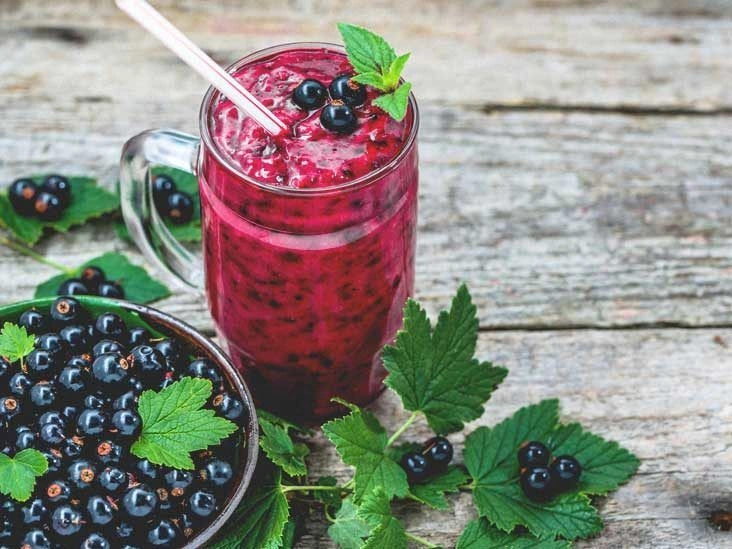
Black currants, commonly called cassis, are tangy berries that offer a range of possible health advantages. Research indicates they might support immune function and lessen inflammation throughout the body.
Black currants (Ribes nigrum) were once nicknamed “the forbidden fruit” in the United States because they can help transmit a fungus harmful to white pine trees. Because of this, black currants were removed from many regions, preventing many Americans from enjoying these nutritious berries.

These berries are widely used in health foods and beverages in the United Kingdom. Their tart flavor pairs well with other fruits and is commonly used in jams and juices.
Continue reading to discover the potential health perks of black currants, ways to include them in your diet, and any possible side effects to be aware of.
Loaded with nutrients
Black currants are abundant in antioxidants and provide several nutrients , including:
- polyphenolic compounds
- anthocyanins
- gamma-linolenic acid (GLA)
The most familiar forms are blackcurrant jam and seed oil, but the plant can also be used to make infusions and teas.
Good source of vitamins
Blackcurrants contain multiple vitamins, such as:
- A (retinoic acid)
- B5 (pantothenic acid)
- B6 (pyridoxine)
- B1 (thiamine)
- E (tocopherol)
The most notable is vitamin C. In fact, one cup of blackcurrants supplies of vitamin C, which is nearly than an orange.
Vitamin C offers numerous benefits , such as protecting cells, supporting healthy skin, and aiding wound repair.
Supports the immune system
Beyond vitamin C, blackcurrants are rich in antioxidants like anthocyanins. These compounds may help fortify your immune defenses, soothe sore throats, and alleviate flu symptoms.
One study found that blackcurrant supplements might improve exercise performance and recovery in physically active people.
May ease joint and muscle discomfort
Several studies indicate that blackcurrants can trigger anti-inflammatory effects in the body.
Blackcurrant seed oil contains GLA, an omega-6 fatty acid believed to help reduce inflammation. The substantial GLA and anthocyanin levels may assist in decreasing joint or muscle:
- pain
- stiffness
- soreness
- damage
Nevertheless, research on this topic is limited, and more studies are necessary to confirm long-term benefits.
Potential help for dry eyes
Research suggests that GLA and linoleic acid found in black currants may be promising for treating dry eye disease and improving symptoms associated with the condition.
Individuals who perform extensive computer work may particularly gain from blackcurrant supplements.
May support heart health
Blackcurrants are high in potassium, which can help lower blood pressure.
Research indicates the fruit could reduce the risk of cardiovascular disease; however, additional research is required to establish its effectiveness definitively.
How to consume blackcurrants
Adding more blackcurrants to your diet is simple. You can find them as:
- dried fruit
- frozen fruit
- fruit juice
- fruit tea
- jam
Britain’s Ribena is a well-known drink you might spot in the international aisle of grocery stores. The berries themselves work well tossed into recipes that need a tart-sweet kick.
Suggested servings include:
- one small glass (150 milliliters) of fruit juice daily
- 30 g of dried black currants
- 80 g of fresh or frozen black currants
Consume fruit or herbal teas in moderation.
You can also swap other berries for blackcurrants in yogurt, salads, or baked dishes.
Possible side effects
Black currants are generally safe when eaten at recommended amounts. However, supplements and seed oils have been reported to cause mild side effects, including :
- soft stools
- mild diarrhea
- gas
Because blackcurrant supplements can slow blood clotting, they are not recommended for people with bleeding disorders or those scheduled for surgery.
There is insufficient information about the safety of dried blackcurrant leaves. Pregnant or breastfeeding individuals should consult a healthcare provider before taking any supplements, including blackcurrant.
Takeaway
Black currants, or cassis, are tart berries with several possible health benefits.
Studies suggest they may help boost immunity and reduce inflammation in the body.
Recommended intakes include one small glass of fruit juice per day and 80 g of fresh or frozen black currants. Fruit and herbal teas should be enjoyed in moderation.
Frequently Asked Questions
Black currant offers immune support, anti-inflammatory effects, high vitamin C content, antioxidants like anthocyanins, potential heart-health benefits, and may help with dry eye symptoms.
Suggested servings include about 80 g of fresh or frozen berries, 30 g dried, or a small 150 ml glass of fruit juice per day; consume teas and concentrated supplements in moderation.
Compounds in black currant, including GLA and anthocyanins, have shown anti-inflammatory effects that may reduce joint and muscle pain, stiffness, and soreness, though more research is needed.
At typical food amounts black currants are generally safe. Supplements or seed oils can cause mild digestive issues and may slow blood clotting, so avoid before surgery or if you have a bleeding disorder.
People with bleeding disorders, those scheduled for surgery, and pregnant or breastfeeding individuals should consult a healthcare provider before using black currant supplements or concentrated oils.
Read Next



Related Posts

The 5 Best CBD Gummies for Sleep and Relaxation: Our Testers Tell All
Sep 30, 2026 • 28 min read
What Are Licorice Root's Benefits and Downsides?
Aug 31, 2026 • 9 min read
Folic Acid vs. Folate — What’s the Difference?
Aug 17, 2026 • 18 min read
4 Best CBD Gummies for Anxiety and Stress in 2025
Sep 27, 2026 • 21 min read
EGCG (Epigallocatechin Gallate): Benefits, Dosage, and Safety
Aug 10, 2026 • 9 min read