The Health Benefits of Pumpkin Seed Oil


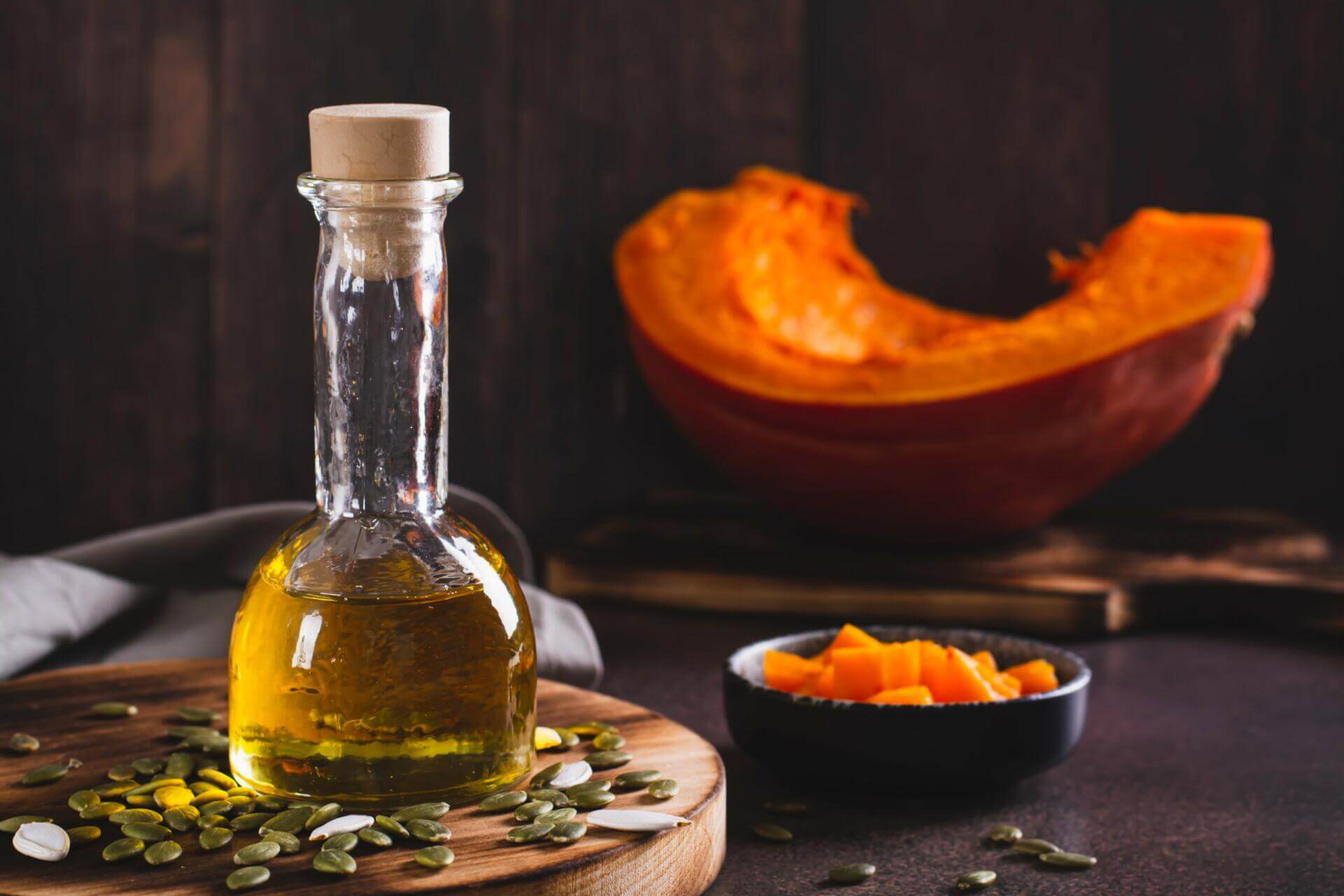
Pumpkin seed oil delivers nutrients that could provide a variety of health advantages for your skin, urinary tract, and other parts of the body. You can use it in cooking or take it as a capsule supplement.
While pumpkin might bring to mind seasonal décor or a classic pie filling, it has other practical uses. One example is pumpkin seed oil, which has been linked to several possible health effects.
Some studies indicate pumpkin seed oil may support urinary and cardiovascular health. It’s rich in vitamins, offers anti-inflammatory actions, and contains fatty acids like linoleic and oleic acid.
Below, explore pumpkin seed oil’s possible health effects and ways to incorporate it into your routine.
Impact on mental health
A 2020 review notes that pumpkin seeds may hold compounds with antidepressant activity. Certain studies referenced in the review compared pumpkin seed’s antidepressant potential to compounds such as hydroxytryptophan and tryptophan, both investigated for depression treatment.
That said, the authors stress that additional studies are required to clarify how pumpkin seeds might assist with depressive symptoms.
Impact on hair and skin
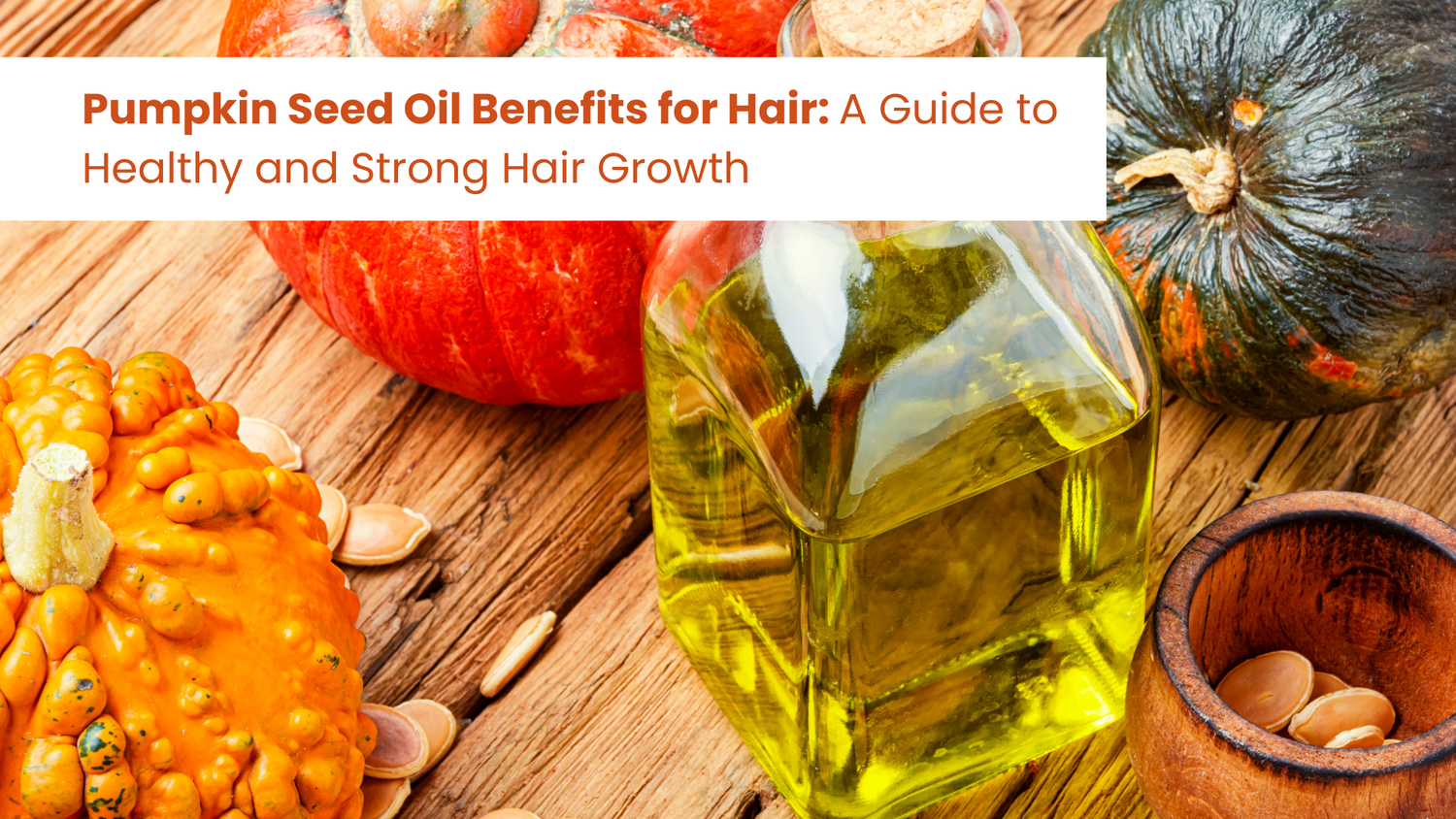
According to a study, pumpkin seed oil may encourage hair growth. In that trial, men who consumed 400 milligrams of pumpkin seed oil daily for 24 weeks experienced about 40% hair growth, versus 10% in the placebo group.
Another study evaluated pumpkin seed oil’s effects on hair in mice and found that topical application stimulated hair growth, suggesting potential as an alternative approach for male pattern hair loss.
Impact on heart health
As noted, diets high in saturated fats can raise low-density lipoprotein (LDL), or “bad” cholesterol, which in turn raises the risk of conditions such as stroke and heart disease.
Pumpkin seed oil is largely composed of polyunsaturated fats, the “healthier” fats. Unsaturated fats like those in pumpkin seed oil can support cardiovascular health.
One study also indicates pumpkin seed oil might help prevent and manage high blood pressure in postmenopausal groups by improving arterial blood flow and pressure.
Impact on prostate health
The 2020 review reports that pumpkin seed oil may offer benefits for people with prostate conditions.
Both animal and human trials in the review point to pumpkin seed oil’s possibility of easing symptoms of benign prostatic hyperplasia (BPH), a noncancerous enlargement of the prostate.
For example, one study cited in the review showed symptom improvement when participants took a combination of pumpkin seed oil and saw palmetto oil.
Nevertheless, further research is necessary to determine the precise mechanisms behind these effects.
Impact on urinary health
Research indicates pumpkin oil’s properties could be useful in treating and preventing certain urinary conditions, including overactive bladder and urinary dysfunction related to BPH.
However, more investigation is needed to determine pumpkin seed oil’s effectiveness for urinary concerns, particularly those not associated with BPH.
Impact on menopause
A study examined how the antioxidant properties of pumpkin seed oil affected aging and menopause-related issues in ovariectomized rats.
The researchers point out that pumpkin seeds are a concentrated source of fatty acids that help modulate the immune system and support hormone production.
They propose pumpkin seed oil may help prevent conditions and symptoms associated with menopause, such as:
- weight gain
- oxidative stress
- inflammation
- osteoporosis
- cardiovascular disease
Still, the authors emphasize the need for more research, since aging and menopause involve complex processes.
Risks and side effects of pumpkin seed oil
Experts note that if you don’t typically consume much fiber, introducing pumpkin seeds may cause some digestive upset because they are a rich fiber source.
They also warn to watch for other ingredients in pumpkin-containing products—such as pumpkin-flavored sweets or beverages—that can be high in added sugars.
How can I get pumpkin seed oil?
Like flaxseed oil, pumpkin seed oil is available as a liquid or in concentrated capsules. It’s commonly sold in health food stores and online retailers.
Although some evidence points to pumpkin seed oil’s benefits, a 2020 review concludes that further study is needed to confirm their safety and effectiveness as a functional food.
Always consult your physician before beginning any new supplement. Your doctor can recommend an appropriate pumpkin seed oil dosage to ensure you obtain suitable nutrient amounts.
They can also advise if you experience adverse effects after consuming pumpkin seeds, such as an upset stomach.
The bottom line
Pumpkin seed oil contains antioxidant and possibly antidepressant qualities that may support health. Some research suggests potential benefits for urinary, cardiovascular, and mental well-being in humans.
However, more rigorous studies are required for clinicians to fully understand pumpkin seed oil’s safety and efficacy, and its role in treating various conditions.
Consult your healthcare provider before starting pumpkin seed oil supplementation. They can advise on the safest dosage and other treatment options for your specific health needs.
Frequently Asked Questions
Pumpkin seed oil is used as a dietary oil and supplement for potential benefits to heart, prostate, urinary, skin, and hair health thanks to its fatty acids and antioxidants.
You can use pumpkin seed oil in cooking or take it as a capsule supplement. Dosages vary, so consult your healthcare provider for personalized recommendations.
Side effects are uncommon but may include digestive upset, especially if you suddenly increase fiber intake from seeds. Watch for added sugars in pumpkin-flavored products.
Some studies indicate pumpkin seed oil may encourage hair growth, with trials showing improved hair count in participants, but more research is needed to confirm long-term effects.
Research suggests pumpkin seed oil may ease symptoms of benign prostatic hyperplasia and support urinary function, though further studies are required and you should consult your doctor before use.
Read Next

2025 Noom Diet Review: Follow Our Reviewer’s 12-Month Weight Loss Journey

What Is Squid Ink, and Should You Eat It?

Apretude Injection Price: What You Need to Know
8 Health and Nutrition Benefits of Jicama

Dieta cetogénica: Una guía detallada para principiantes sobre la dieta cetogénica
Refined vs. Unrefined Coconut Oil: What’s the Difference?
Related Posts

The 20 Best Low Carb Vegetables (Plus 1 Great Low Carb Fruit)
Aug 30, 2026 • 28 min read
What Is Wormwood, and How Is It Used?
Aug 5, 2026 • 27 min read
Tomatoes 101: Nutrition Facts and Health Benefits
Sep 3, 2026 • 16 min read
Can You Eat Pumpkin or Pumpkin Seeds Raw?
Sep 1, 2026 • 12 min read
Is Sour Cream Healthy? Nutrients and Benefits
Jul 31, 2026 • 29 min read