All You Need to Know About Bergamot Tea (Earl Grey)


Bergamot tea is crafted by blending black tea with extract from the bergamot orange. Some touted advantages include potential improvements to cardiovascular wellness and digestion, though scientific evidence remains limited.
Often known as Earl Grey, bergamot tea has a distinct citrus aroma. Read on to discover more about its possible advantages and adverse effects, plus simple brewing instructions.
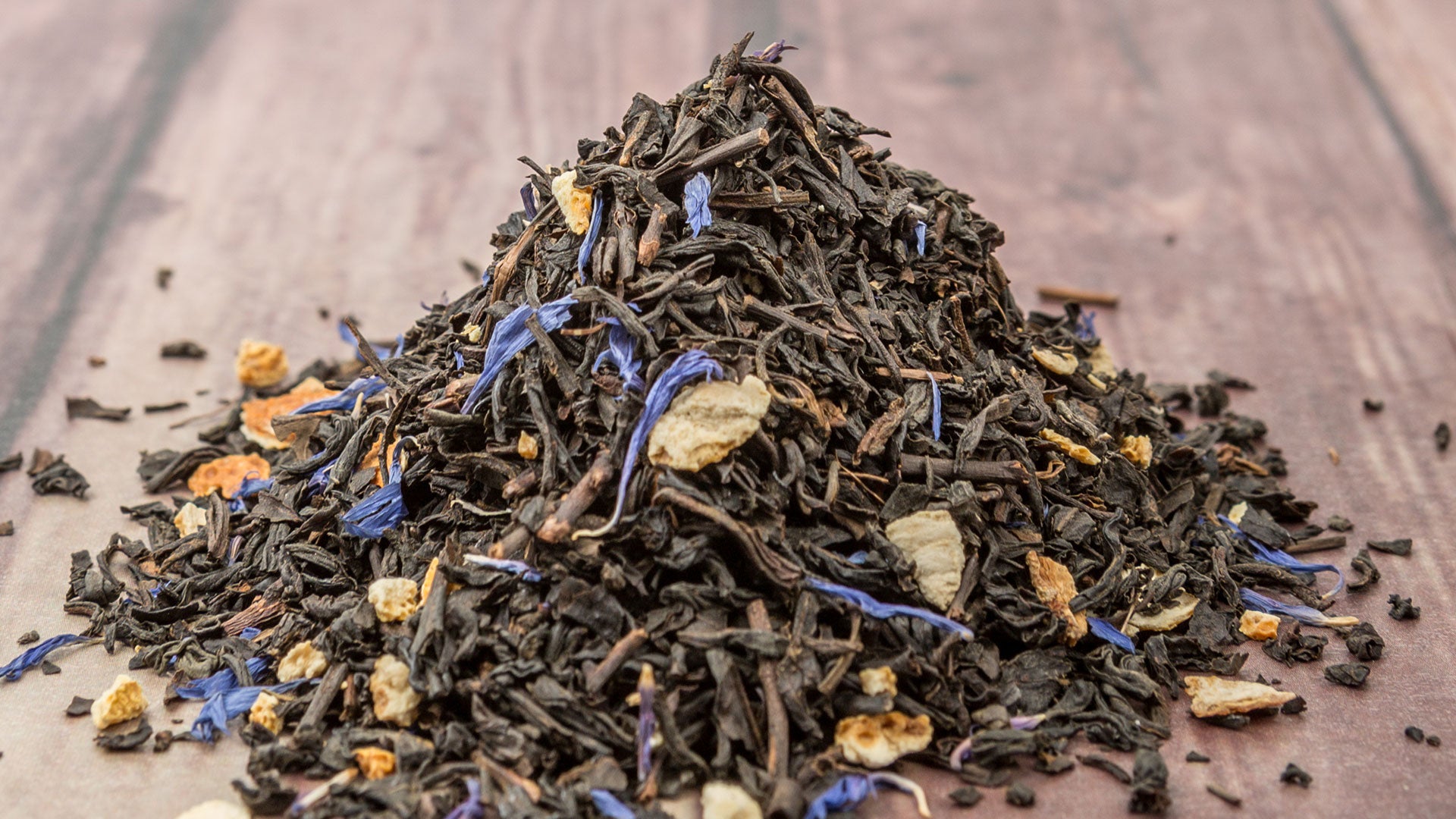
What is bergamot tea?
Bergamot tea generally consists of black tea leaves combined with the fruit of the Citrus bergamia tree.
The tea leaves are either misted with bergamot extract or essential oil, or infused with dried bergamot peels, imparting a gentle citrusy flavor.
You can find bergamot tea in most supermarkets — available with or without caffeine and sometimes blended with other flavors or ingredients.
The phytochemicals in bergamot may offer several health advantages. Still, research has primarily investigated bergamot essential oil, juice, or supplements rather than the tea itself.
Possible health benefits
Bergamot is abundant in helpful plant compounds called polyphenols. It contains flavonoids such as :
- neoeriocitrin
- neohesperidin
- naringin
These polyphenols work as antioxidants, neutralizing reactive molecules known as free radicals that can damage cells and contribute to disease.
The concentration of various antioxidants in bergamot tea may make it particularly supportive of health.
May support heart health
Bergamot tea might positively influence some risk markers for heart disease. Bergamot products have been linked to reductions in total cholesterol and LDL (bad) cholesterol.
A 2019 review of 12 studies reported that in 75% of the trials, bergamot significantly lowered:
- total cholesterol
- triglycerides
- LDL cholesterol
Some studies included in the review also observed that bergamot raised HDL (good) cholesterol levels.
The review also indicates that bergamot might amplify the effects of conventional cholesterol-lowering drugs.
Although these findings hint that drinking bergamot tea could be heart-healthy, additional research is necessary.
May help digestion
The flavonoids in bergamot tea may reduce inflammation linked to digestive disorders.
A 2023 study found bergamot polysaccharides eased symptoms of inflammatory bowel disease (IBD) in mice, improved their gut microbiome, and diminished intestinal inflammation.
A 2024 study suggests bergamot may lower intestinal inflammation and combat H. pylori bacteria, which are linked to stomach ulcers and other gastrointestinal conditions.
While these findings suggest combined bergamot effects could support digestion, more rigorous human studies are required to confirm the benefits of bergamot tea specifically.
Side effects of drinking too much bergamot tea
Consumed in moderation (about 2–3 cups daily), bergamot tea is generally safe for healthy individuals, but excessive intake might carry risks.
Tea also contains tannins, which can interfere with iron absorption in the body. If you frequently drink tea and worry about iron status, consider drinking it between meals to improve iron uptake from foods.
Most bergamot teas contain caffeine, so monitor your intake if you experience nervousness, anxiety, or other negative effects. Opting for a decaffeinated version is another option.
Consult your healthcare provider before making dietary changes. If you have anemia, speak with your doctor before regularly consuming tea, as it could affect iron absorption.
How to make bergamot tea
Bergamot tea is commonly sold as Earl Grey and is broadly available.
To prepare, steep a bergamot tea bag in freshly boiled water for 3–5 minutes, or longer if you prefer a stronger brew, then enjoy.
You can also use loose-leaf bergamot tea. Use one tablespoon (about 14 grams) of tea per cup (250 ml) of hot water. Let steep for 5 minutes, then strain and serve.
The takeaway
Bergamot tea, commonly called Earl Grey, combines black tea with bergamot citrus extract.
Compounds in bergamot may function as antioxidants, support digestive health, and help lower cholesterol; however, direct studies on bergamot tea are lacking.
Earl Grey is readily found in grocery and specialty stores, with online shopping offering the greatest selection. For related flavored teas and their benefits, you might also be interested in bergamot tea.
Frequently Asked Questions
Bergamot tea is typically black tea flavored with oil or extract from the bergamot orange (Citrus bergamia), giving it a distinctive citrus aroma often known as Earl Grey.
Compounds in bergamot have been linked to lower total and LDL cholesterol in some studies, but most research focuses on bergamot extracts or supplements rather than the tea itself, so more evidence is needed.
Bergamot contains flavonoids and polysaccharides that may reduce inflammation and support gut health in preliminary studies, but human trials specifically on bergamot tea are limited.
Moderate consumption (about 2–3 cups daily) is generally safe for most people, but excess intake can affect iron absorption and caffeine-sensitive individuals may experience jitteriness; consult your doctor if you have health concerns.
Steep a tea bag in freshly boiled water for 3–5 minutes, or use one tablespoon (about 14 g) of loose-leaf bergamot tea per 250 ml hot water and steep for about 5 minutes, adjusting time for desired strength.




Related Posts

Is Sour Cream Healthy? Nutrients and Benefits
Jul 31, 2026 • 15 min read
Carob Powder: 9 Nutrition Facts and Health Benefits
Aug 31, 2026 • 27 min read
Is Cheesecake Healthy? Nutrition and Recipe Tips
Aug 27, 2026 • 10 min read
Silver Cuisine Meal Delivery for Older Adults: A Complete Review
Aug 30, 2026 • 22 min read
Olives 101: Nutrition Facts and Health Benefits
Aug 26, 2026 • 30 min read