What Are the Health Benefits of Blue Spirulina?


Blue spirulina is the phycocyanin pigment derived from spirulina algae. It is rich in antioxidants and may offer support for brain function, immune response, and cardiovascular wellness, among other advantages.
Often labeled a superfood, spirulina (Arthrospira platensis) is a form of cyanobacteria commonly called blue-green algae. This organism harnesses sunlight for nutrients and can thrive in both freshwater and marine environments.
Typical spirulina presents a blue-green hue.
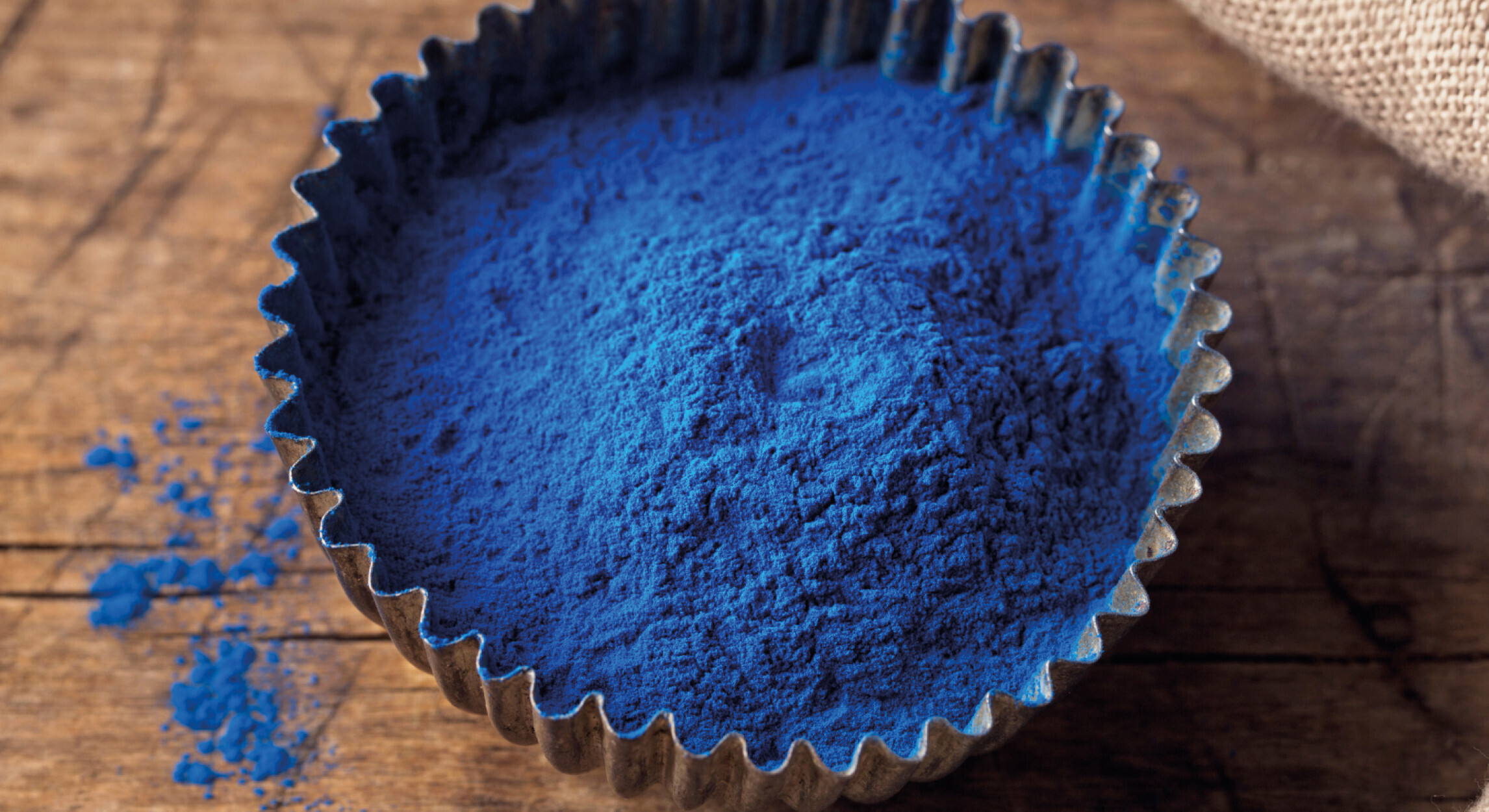
Blue spirulina specifically denotes the phycocyanin pigment extracted from spirulina. Phycocyanin is the compound responsible for its blue tint and also acts as an antioxidant with various potential health-promoting properties.
Green spirulina contains both chlorophyll and phycocyanin.
Blue spirulina is marketed as a dietary supplement in several forms:
- powder
- capsule
- tablet
Consulting a healthcare provider before adding any new supplement to your routine is recommended, particularly if you have preexisting medical conditions.
Continue reading to explore the potential health effects of blue spirulina.
Cardiovascular effects of blue spirulina
Blue spirulina might provide benefits for heart and vascular health.
A 2022 animal study indicates it could prevent inflammation and cardiac injury by lowering cardiovascular enzymes linked to heart attacks.
An earlier 2013 animal study in subjects fed a high-cholesterol diet suggests phycocyanin supplementation may decrease:
- blood cholesterol
- total cholesterol
- blood triglycerides
- low-density lipoprotein (LDL)
Additional research from 2023 highlights phycocyanin’s potential to limit atherosclerosis (arterial plaque accumulation).
Nevertheless, more human-focused research is required to confirm blue spirulina’s impacts on the cardiovascular system.
Neuroprotective effects of blue spirulina
The antioxidant content of blue spirulina may also benefit brain health.
Antioxidants can help lower oxidative stress—a disequilibrium of free radicals that can cause cellular damage. Oxidative stress in the brain may contribute to neurological conditions such as:
- Alzheimer’s disease
- Parkinson’s disease
- multiple sclerosis
- inflammation
- brain cancer
Various factors, including aging and existing neurodegenerative disorders, can impair the brain’s defenses against oxidative stress.
A 2020 animal study investigating phycocyanin’s effects on cognitive impairment as an experimental Alzheimer’s model suggests blue spirulina may improve indicators of cognitive dysfunction.
A 2022 review examining spirulina’s influence on brain health reports anti-inflammatory and antioxidant actions in the brain.
The authors mention that spirulina may lower markers of brain inflammation, potentially helping to modulate activation of glial cells in the brain, which could slow or reduce progression of neurodegenerative diseases. Note that these findings relate to spirulina as a whole rather than exclusively to the blue pigment.
Much of the evidence comes from animal studies. Further human research is necessary to clarify the effects of consuming blue spirulina on brain health.
Blue spirulina and possible roles in diabetes prevention
Blue spirulina may aid in regulating blood glucose and systolic blood pressure.
A study suggests it could exert antidiabetic effects by lowering blood sugar and inhibiting alpha-amylase and beta-glucosidase, enzymes involved in starch breakdown.
A 2022 animal study using diabetes induced by a high-sugar, high-fat diet found that phycocyanin intake may lower certain diabetes-related markers, including:
- fasting blood glucose
- body weight
- food intake
Although direct human research on blue spirulina is limited, some human trials have assessed the antidiabetic potential of spirulina algae.
Two 2022 trials with young adults without diabetes reported that consuming 4 to 8 grams of spirulina dissolved in a glucose solution reduced blood sugar 120 minutes after ingestion compared to a control.
A 2021 review of human studies indicates that spirulina (not exclusively blue spirulina) may improve fasting glucose and blood lipid profiles.
Still, more research is needed to determine the long-term effects of blue spirulina supplementation and whether it benefits individuals with type 2 diabetes.
Potential immune system benefits of blue spirulina
Blue spirulina is a source of antioxidants that might bolster the body’s defenses and reduce susceptibility to illness.
Phycocyanin, the antioxidant that gives blue spirulina its color, may support immune health, according to a 2023 review . Potential effects include:
- reducing inflammation
- modulating immune responses
- lowering oxidative stress
- anticancer properties
- antimicrobial activity
- assisting wound healing
- supporting kidney function
- supporting liver function
- reducing diabetes risk
It may also inhibit growth of certain bacteria, such as:
- E. coli
- Salmonella
- Listeria
- Pseudomonas
Much of the data on phycocyanin and blue spirulina comes from in vitro and animal experiments. Additional human studies are necessary to more fully understand phycocyanin’s impact on immune health.
»Learn about other foods that are high in antioxidants.Exercise-related benefits of blue spirulina
Scientists are exploring whether blue spirulina can support physical performance and recovery.
A 2024 animal study suggests phycocyanin may reduce oxidative-stress-related damage from intense exercise, noting potential reductions in fatigue and muscle injury.
Further human trials are required to confirm these findings.
»Learn what other foods help support exercise.Blue spirulina and weight control
Phycocyanin from spirulina may assist in reducing obesity by:
- supporting cardiovascular health
- decreasing the conversion of fatty acids into triglycerides for storage
- limiting formation of adipose tissue (body fat)
Conclusion
Blue spirulina denotes the blue-colored pigment phycocyanin obtained from spirulina algae.
It may provide support for heart health, brain health, and weight management. However, more human studies are necessary to better define its effectiveness.
Blue spirulina powder can be used to tint foods and beverages blue—add it to smoothies, protein shakes, baked items, or simply water. It is also available in tablet or capsule form as a supplement.
Frequently Asked Questions
Blue spirulina refers to the pigment phycocyanin extracted from spirulina algae. Unlike whole spirulina, which is green-blue due to chlorophyll and phycocyanin, blue spirulina is mainly the concentrated blue pigment used as a supplement or natural colorant.
Blue spirulina benefits may include antioxidant and anti-inflammatory effects that support brain health, cardiovascular function, immune responses, exercise recovery, and possibly blood sugar regulation and weight management.
Most evidence comes from animal, in vitro, and some human spirulina studies. Research suggests promising effects for antioxidants, metabolic markers, and inflammation, but more high-quality human trials are needed specifically on blue spirulina.
Blue spirulina is available as powder, capsules, or tablets. It can be mixed into smoothies or beverages. People with medical conditions, allergies to algae, or those on medications should consult a healthcare provider before use; side effects are generally uncommon but may include digestive upset.
Some studies indicate phycocyanin may influence fasting glucose and lipid markers and may aid weight-related measures in animal research. Human data are limited, so it should not replace prescribed treatments for diabetes or weight management.
Read Next

Is Willow Bark Nature’s Aspirin?
Health Benefits of Hawthorn Berry

The 5 Best Broad-Spectrum CBD Products for 2025: Tried and Tested
Does Evening Primrose Oil Safely Induce Labor?

The 5 Best CBD Gummies for Sleep and Relaxation: Our Testers Tell All
The 10 Best Selenium Supplements, According to a Dietitian
Related Posts

Folic Acid vs. Folate — What’s the Difference?
Aug 17, 2026 • 7 min read
What Are Licorice Root's Benefits and Downsides?
Aug 31, 2026 • 21 min read
Seed Probiotics Review 2025: A Dietitian’s Take
Aug 24, 2026 • 25 min read
What Are Deer Antler Supplements? Health Effects and Safety
Aug 15, 2026 • 7 min read
4 Best CBD Gummies for Anxiety and Stress in 2025
Sep 27, 2026 • 6 min read