Brewer’s Yeast

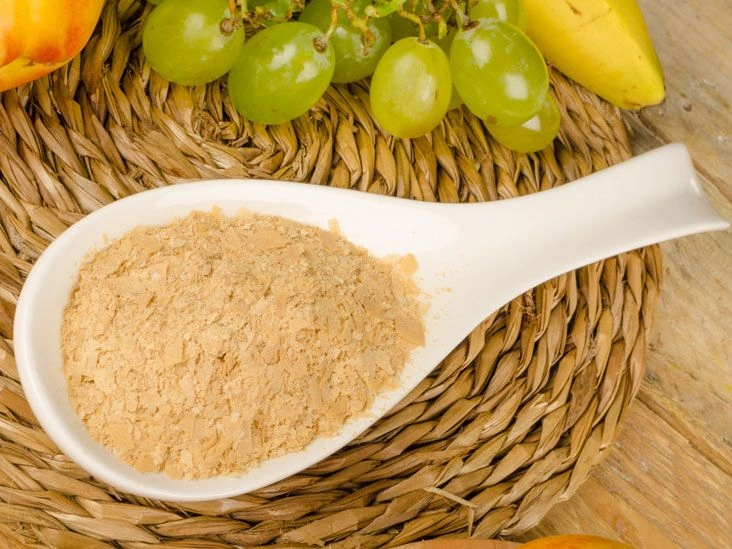
Brewer’s yeast is an ingredient employed in brewing beer and baking bread. It is derived from Saccharomyces cerevisiae, a single-celled fungus. Brewer’s yeast has a distinctly bitter flavor.

It’s also taken as a dietary supplement. Brewer’s yeast is a notable source of chromium, which may assist the body in maintaining normal blood glucose regulation. It also supplies several B vitamins.
Note: Debittered brewer’s yeast is a more recently processed form. The debittering procedure strips away a considerable portion of the chromium, so if you’re seeking a dietary chromium source, verify whether the product you purchase has been debittered.
Brewer’s yeast is often regarded as a probiotic and is used to support digestion.
What does brewer’s yeast do?
Brewer’s yeast contains tiny organisms (microflora) that help preserve healthy digestive tract function.
As a nutritional supplement, brewer’s yeast may boost energy and help fortify the immune system. It is rich in:
- chromium
- protein
- selenium
- potassium
- iron
- zinc
- magnesium
It is also an excellent source of these B vitamins:
- thiamine (B1)
- riboflavin (B2)
- niacin (B3)
- pantothenic acid (B5)
- pyridoxine (B6)
- folic acid (B9)
- biotin (B7)
What are the benefits of brewer’s yeast?
The probiotic qualities of brewer’s yeast may make it useful for preventing diarrhea. It has been applied in treating various digestive disorders, such as:
- antibiotic-associated diarrhea
- traveler’s diarrhea
- irritable bowel syndrome
- Clostridium difficile colitis
- lactose intolerance
Brewer’s yeast can supply energy and may contribute to healthy skin, hair, eyes, and oral health. It may support nervous system function and bolster immune responses.
The chromium in brewer’s yeast might help regulate blood sugar in people with type 2 diabetes by improving glucose tolerance.
What are the side effects of brewer’s yeast?
Talk with your healthcare provider before starting brewer’s yeast. Supplements like brewer’s yeast can interact with certain medications.
Side effects are usually mild. The most frequently reported issues are increased gas, bloating, and headache resembling a migraine.
Discontinue use and contact your healthcare provider immediately if you develop chest pain, tightness in the throat or chest, or difficulty breathing. Those symptoms could indicate an allergic reaction to brewer’s yeast.
Although brewer’s yeast provides B vitamins, it does not contain B12. Insufficient B12 can lead to anemia, so ensure you have adequate B12 sources in your diet.
How is brewer’s yeast administered?
Brewer’s yeast is available as a powder, flakes, liquid, or tablets. It’s also present in beer and some types of bread.
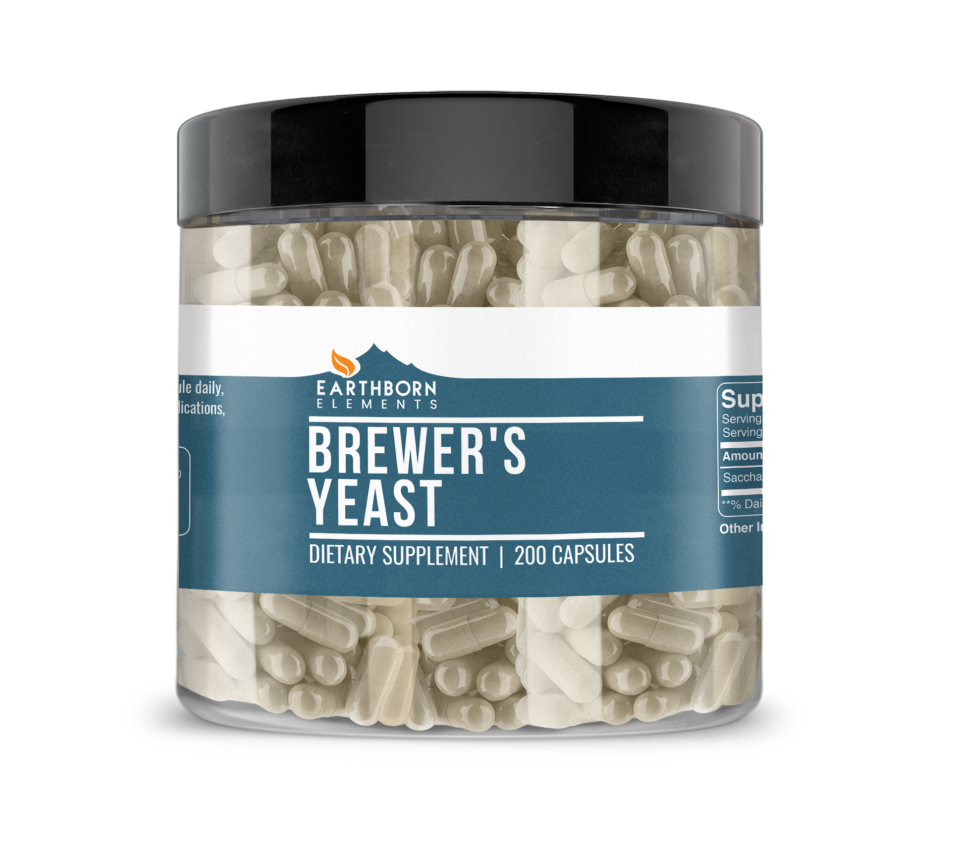
Typical adult dosing is one to two tablespoons per day. It can be sprinkled on food or mixed into water, juice, or smoothies.
What are the risks of brewer’s yeast?
Consult your healthcare provider before using supplements such as brewer’s yeast. No special preparation is required to take brewer’s yeast. The powdered form can be consumed alone or incorporated into foods and drinks.
Your doctor may advise beginning with smaller amounts to check for potential adverse effects.
Brewer’s yeast can interact with some medications. Speak with your physician before using brewer’s yeast if you take:
- monoamine oxidase inhibitors (MAOIs): These include tranylcypromine, selegiline, and isocarboxazid. This class of drugs is used for depression. The high tyramine content in brewer’s yeast can trigger a hypertensive crisis when combined with MAOIs. This acute, dangerous rise in blood pressure can result in a heart attack or stroke.
- meperidine: This opioid pain reliever can cause a hypertensive crisis if taken with brewer’s yeast.
- diabetes medications: Brewer’s yeast may lower blood glucose. Using it alongside diabetes drugs can increase the risk of hypoglycemia (low blood sugar).
Check with your healthcare provider before using brewer’s yeast if you are pregnant or breastfeeding. Exercise caution if you have a central venous catheter, or any of the following conditions:
- diabetes
- Crohn’s disease
- frequent yeast infections
- yeast allergies
- compromised immune system
Prepare a list of your health conditions and medications before your appointment. Together with your provider, you can determine whether brewer’s yeast is appropriate for your needs.
Q:
I take 40 milligrams of gliclazide and my blood sugars remain high. Would brewer’s yeast help me?
A:
There is evidence that adding brewer’s yeast to a diabetes management plan may be beneficial. However, discuss it with your doctor first. More research is needed to clarify optimal dosing and potential adverse effects. One concern is uncertain dosage levels of brewer’s yeast. There have been reports of sudden, severe hypoglycemia when brewer’s yeast was used with prescription hypoglycemic agents. If you and your doctor decide it’s appropriate, begin with low amounts and monitor your blood glucose closely.
Frequently Asked Questions
Brewer’s yeast is a single-celled fungus (Saccharomyces cerevisiae) used in brewing and baking and sold as a nutritional supplement rich in B vitamins and minerals.
It can supply B vitamins, chromium, protein, and minerals; may support digestion as a probiotic; help energy levels; and potentially assist blood glucose regulation in some people.
Common side effects include gas, bloating, and headaches. Rarely, allergic reactions can occur. It can interact with certain medications and may not be safe for people with yeast allergies or weakened immune systems.
Brewer’s yeast is available as powder, flakes, tablets, or liquid. Typical adult dosing is about one to two tablespoons daily, mixed into food or drinks. Start with low amounts and consult your provider for dosing guidance.
Yes. Brewer’s yeast contains chromium which may lower blood glucose; combining it with diabetes medications can increase hypoglycemia risk. Discuss with your doctor and monitor blood sugar closely if used.






Related Posts
9 Powerful Health Benefits of Cumin
Aug 22, 2026 • 35 min read
The 11 Best Keto Frozen Meals
Sep 15, 2026 • 31 min read
What Is Free-Range Chicken?
Sep 3, 2026 • 9 min read
What Is Acerola Cherry?
Sep 9, 2026 • 24 min read
White Mushrooms: Nutrition, Benefits, and Uses
Aug 29, 2026 • 31 min read