6 Ways to Use Calendula Oil for Your Skin

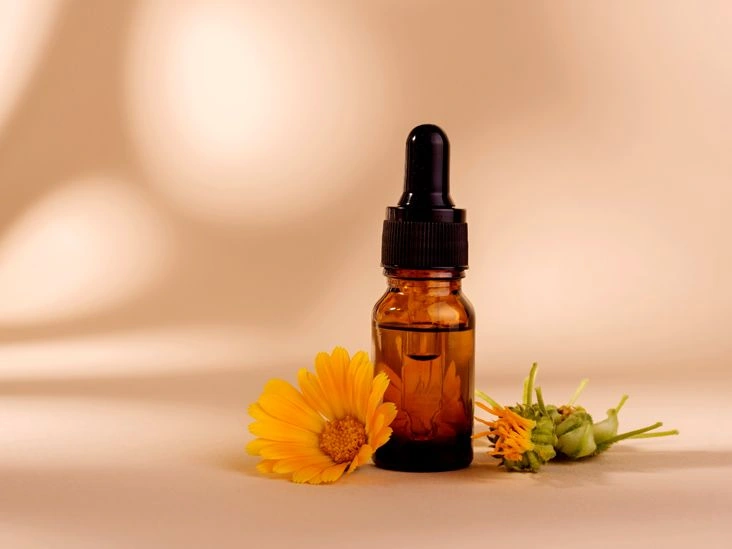
Calendula oil possesses antifungal, anti-inflammatory, and antibacterial actions that could make it helpful for healing cuts, calming eczema flare-ups, and easing diaper rash.

Extracted from marigold blooms (Calendula officinalis), calendula oil is a natural preparation commonly used as a complementary or alternative therapy. It is also sometimes applied for its antiseptic qualities.
This oil is produced by steeping marigold flowers in a carrier oil. It can be used solo or incorporated into balms, creams, and salves. Calendula is also available as a tincture, tea, or in capsule form.
Continue reading to learn more about the possible advantages of calendula oil for skin and where to locate calendula-based products.
Calendula oil benefits for skin
Calendula oil may serve as an alternative approach for addressing various skin issues and enhancing skin quality and appearance. Below are six ways calendula oil might be applied to skin care.
Calendula cream as sunscreen
Calendula oil could play a role in sun protection. A study into the impact of calendula essential oil on skin aging reported that creams formulated with calendula oil demonstrated an SPF value of 18.54. Health authorities recommend using sunscreen with an SPF of at least 15.
That said, further research is required to confirm how well calendula oil protects skin from ultraviolet damage. Until more evidence is available, it’s wise to rely on sunscreens with proven effectiveness to lower the risk of skin cancer and other sun-related skin issues.
Learn more about selecting the right SPF.
Calendula oil for wounds
Calendula oil may speed up the wound-healing process. A review of animal studies and clinical trials found that extract from Calendula officinalis flowers showed potential healing effects. In particular, animal research suggested benefits during the inflammatory phase and an increase in granulation tissue formation.
However, the review noted mixed outcomes in some areas, such as burn recovery. One trial reported no benefit when using Calendula officinalis flower extract to treat a diabetic leg ulcer.
Additional research, especially human studies, is needed. Always follow your physician’s guidance when treating wounds.
Learn what to expect during wound healing.
Calendula oil for eczema and diaper dermatitis
While evidence is limited for using calendula to treat adult eczema, some people apply calendula oil to help control symptoms.
Conversely, a review suggests that calendula ointment may be effective for treating diaper dermatitis in infants.
Learn about essential oils and severe eczema.
Calendula oil for psoriasis
A 2021 study indicated that the anti-inflammatory characteristics of calendula oil might offer benefit in psoriasis treatment.
Still, more human research is necessary to clarify this potential use.
Learn more about at-home approaches for psoriasis management.
Calendula oil for improved skin health
Calendula oil may help improve the overall look and condition of skin. A review indicates that antioxidant flavonoids in calendula oil can protect the skin.
Additionally, coumarins present in calendula flowers may help shield cells from oxidative damage, which could further contribute to protecting skin integrity.
Are there any risks of calendula oil?
Calendula is generally regarded as safe when eaten in food amounts, but there are precautions to consider before applying it topically.
Avoid calendula if you have allergies to plants in the Asteraceae/Compositae family. Pregnant and breastfeeding people should not use calendula because safety has not been established.
Perform a patch test prior to wider use. The American Academy of Dermatology advises applying a quarter-sized amount of product to a small skin area twice daily for 7 to 10 days before using a new skincare product on larger portions of skin.
The bottom line
Some studies suggest calendula oil may help protect the skin, support wound healing, and treat dermatitis. Nevertheless, more research is required to fully understand its benefits.
Consult your healthcare provider before using calendula oil for any issue that might need medical attention, and perform a skin patch test before broader application.
Frequently Asked Questions
Calendula oil is made by steeping Calendula officinalis (marigold) flowers in a carrier oil, extracting antifungal, anti-inflammatory, and antibacterial compounds for topical use.
Some studies and reviews suggest calendula oil may speed wound healing and support granulation tissue formation, but results are mixed and more human research is needed.
People sometimes use calendula oil to relieve eczema symptoms, though evidence for adults is limited. Reviews indicate calendula ointment can be effective for diaper dermatitis in infants.
Avoid calendula if you’re allergic to Asteraceae/Compositae plants. Pregnant and breastfeeding people should not use it. Always patch-test a new product before wider application.
While calendula-containing creams have shown modest SPF in some studies, rely on proven sunscreens to reduce skin cancer risk. Consult a healthcare provider before using calendula for medical conditions.






Related Posts

Thinking About a Septum Piercing? Here’s What to Expect
Aug 19, 2026 • 6 min read
Everything You Need to Know About Glycerin Soap
Aug 3, 2026 • 33 min read
The 8 Best Cooling Pillow Cases
Oct 8, 2026 • 36 min read
About Prickly Pear Seed Oil
Aug 17, 2026 • 9 min read
The Ultimate Skin Care Routine for Combination Skin
Sep 20, 2026 • 15 min read