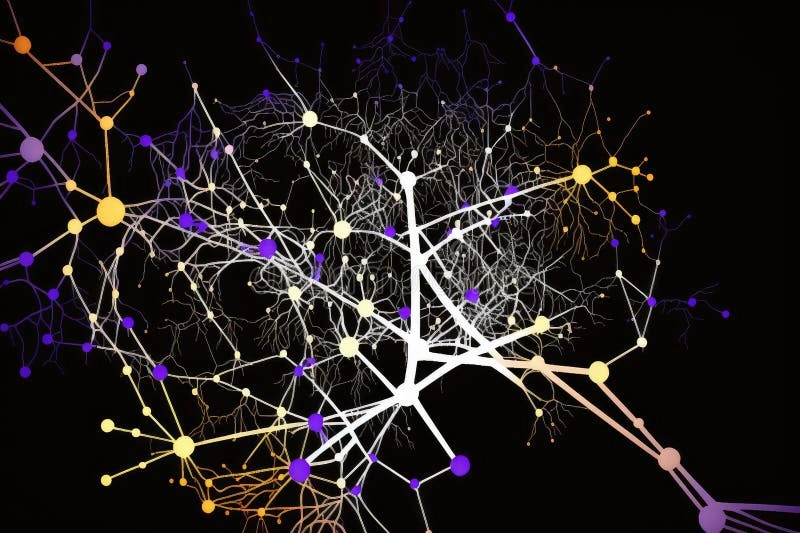
Neurotransmitters
Neural Activity Patterns: How They Drive Daily Choices
Neural activity patterns guide decisions, shape learning during sleep, and form memories, turning brief brain signals into everyday choices.

Neurotransmitters such as serotonin, dopamine, norepinephrine, and GABA are chemical messengers that regulate mood, sleep, cognition, and pain signaling across the nervous system. Disruptions in their synthesis, release, or reuptake can produce anxiety, persistent low mood, chronic fatigue, insomnia, and impaired concentration. Contribut…
Neural activity patterns guide decisions, shape learning during sleep, and form memories, turning brief brain signals into everyday choices.

Synaptic connections guide learning, memory, and mental sharpness. Adopt habits that nurture these essential links for lasting brain health.

When you recall a moment, memory formation uses synaptic changes and sleep consolidation, while exercise and stress reduction amplify stren…

The sympathetic nervous system triggers fight‑or‑flight, lifts heart rate, but chronic overactivity can raise blood pressure and anxiet…
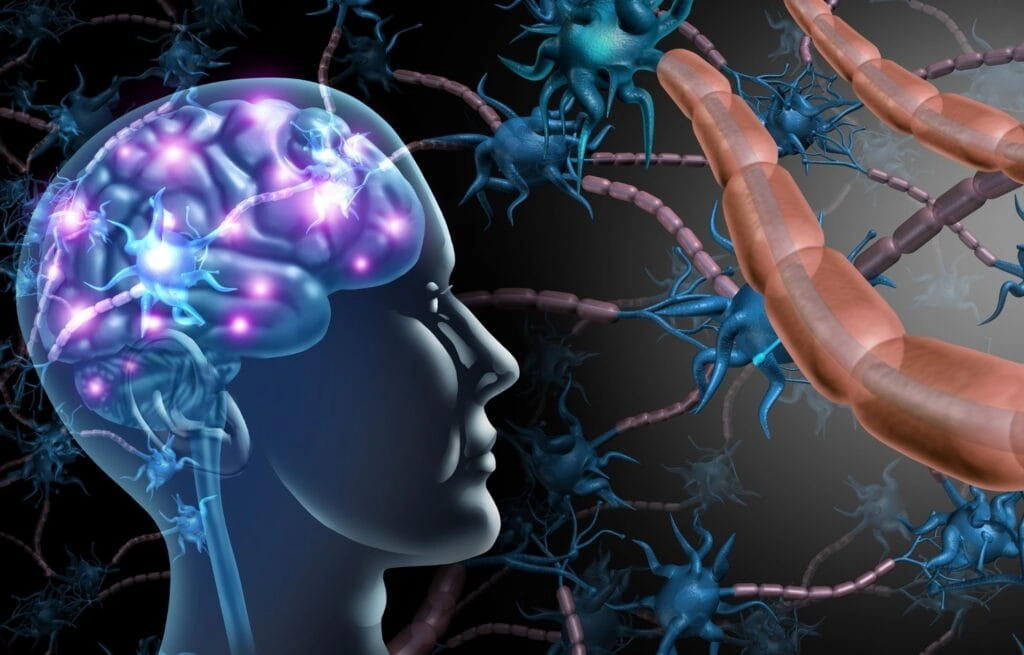
Brain transport protein regulates nutrient and drug flow across the blood‑brain barrier; its failure can cause epilepsy and neurodegenerati…
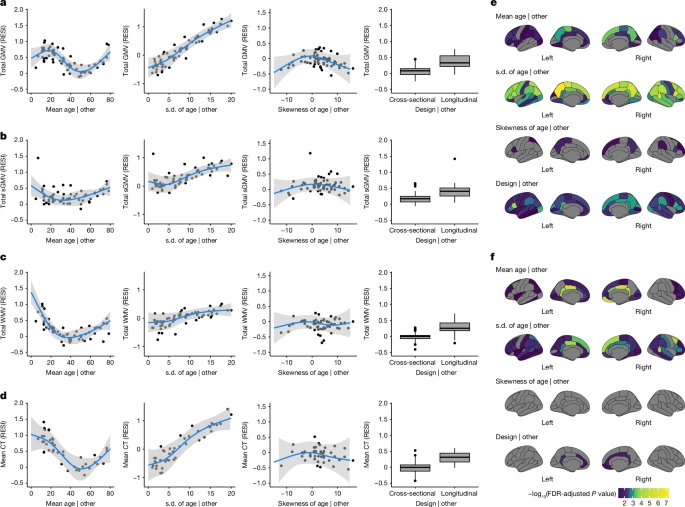
A brain associations study links whole‑brain imaging to behavior, showing longitudinal samples improve insights into emotion and decision‑m…

A faulty transport protein disrupts neuronal metabolism, causing severe epilepsy in infants; genetic testing and emerging therapies bring h…
Decision-making stimuli like notifications, cravings, or emotional cues can speed up your choices; learn fast ways to manage them.

Neuron metabolism fuels thoughts by turning glucose, lactate and fats into ATP, while astrocyte support keeps the brain humming smoothly.
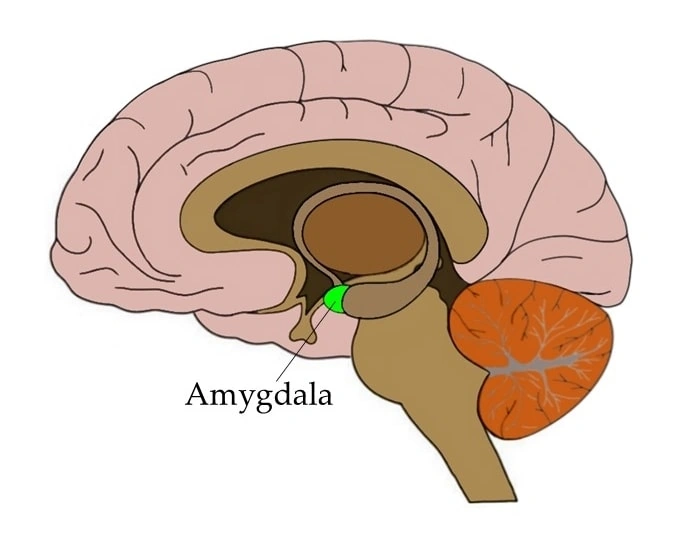
The amygdala role is to flag emotional significance, tag memories, and guide quick decisions, influencing fear, joy, and everyday choices.
Severe epileptic encephalopathy disrupts brain development, but early diagnosis and tailored treatment bring hope and outcomes for children.

Brain links events shape the memories we keep and the decisions we take, using dendrite timing and emotional cues to boost learning and cho…
General information only — not medical advice. Always consult a qualified healthcare professional about your own situation.