Does Copper Water Have Benefits?

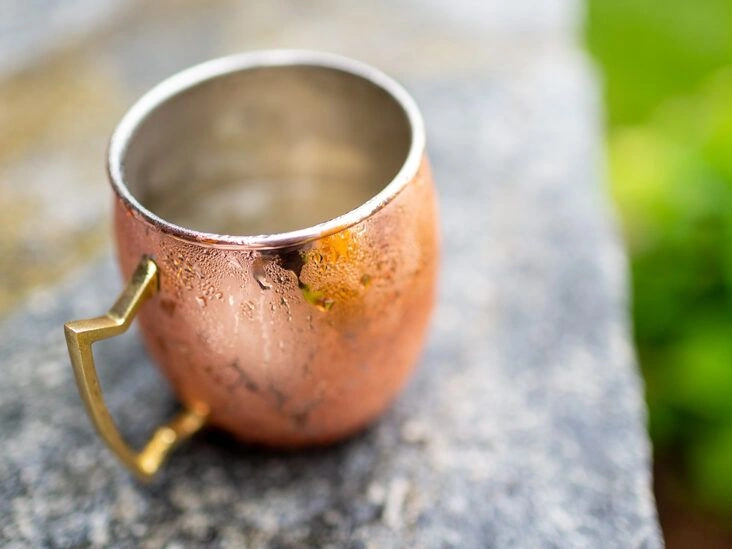
Copper water is a growing trend that involves keeping drinking water in a copper vessel or copper water bottle.
Although you may have only recently noticed this practice, it has long been supported by Ayurveda, the traditional Indian system of holistic medicine with ancient roots.
Still, you might be asking whether this habit is genuinely helpful and safe or merely another passing craze.
This article examines the claimed advantages and potential drawbacks of drinking water stored in copper containers.
What is copper water?
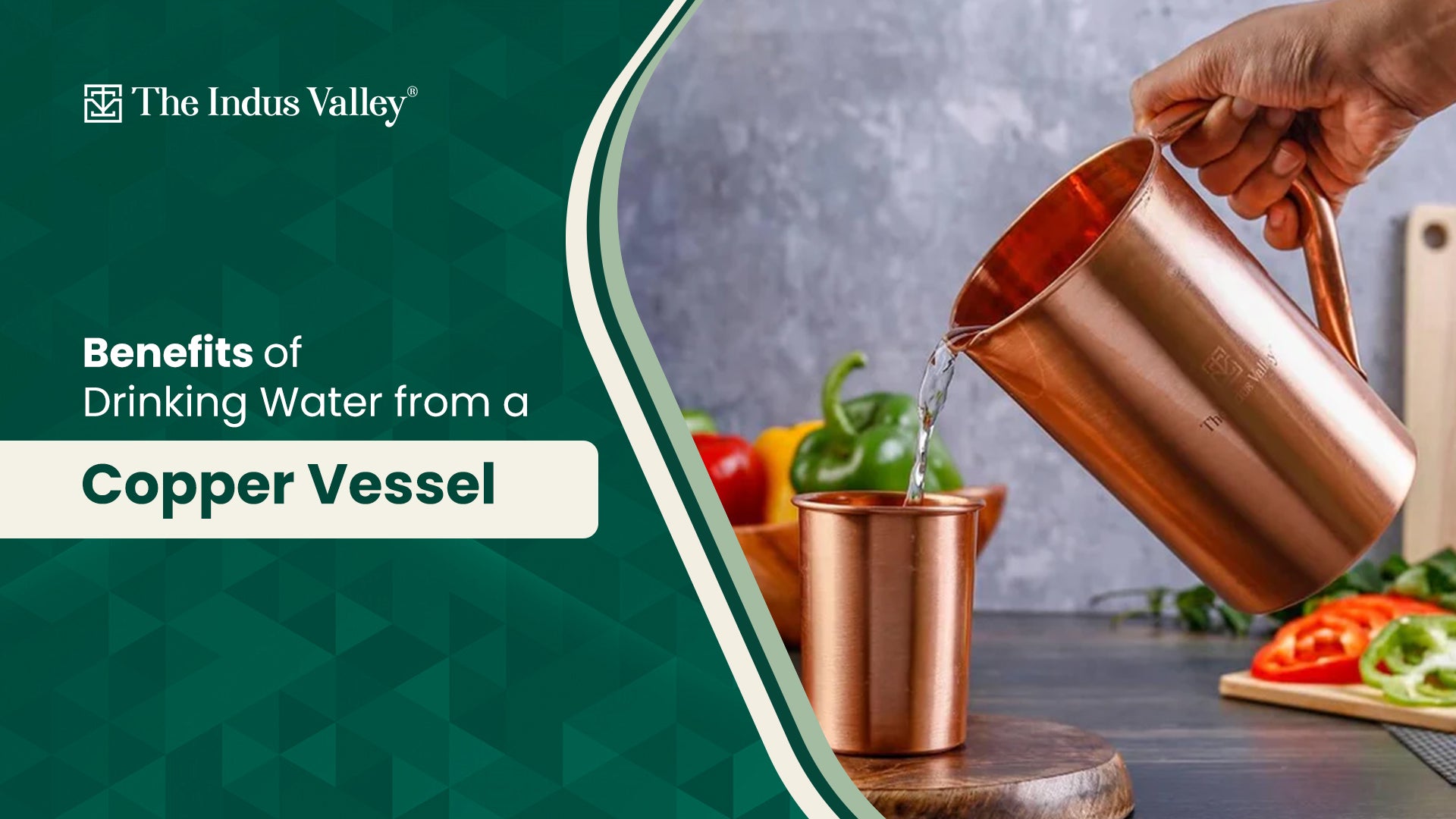
Copper water isn’t a product you’ll purchase at a supermarket. Instead, it’s created by placing drinking water in a copper container and allowing it to sit.
Copper is a trace mineral, meaning your body requires it in only very small amounts.
It contributes to several vital bodily functions, including energy production, formation of connective tissue, and neurotransmitter systems. You can obtain copper from foods such as shellfish, nuts, seeds, potatoes, whole grains, dark chocolate, and organ meats.
Advocates of the practice claim that storing water in copper vessels lets small amounts of the metal seep into the water, thereby offering health benefits to those who drink it.
However, while both deficiency and excess of copper can be harmful, copper deficiency is relatively uncommon.
For instance, a typical American diet generally meets or exceeds the Daily Value (DV) for copper — the recommended daily intake — which is set at 0.9 mg.
SummaryCopper water describes water kept in a copper container, allowing trace amounts of the mineral to enter the liquid. Nonetheless, copper deficiency is rare because common foods typically supply adequate daily copper.
Claimed benefits
Advocates assert that copper water delivers many advantages, such as improved heart and brain health, stronger immunity, and even weight loss, anti-aging, and enhanced tanning.
However, it’s unlikely that drinking water from a copper vessel directly produces these wide-ranging health effects.
These purported benefits likely stem from copper’s known biological roles — it’s involved in energy metabolism, pigmentation, development of brain and cardiac tissue, immune function, and angiogenesis, the process of forming new blood vessels.
Antibacterial effects
One of copper’s notable effects is supported by scientific evidence — its antibacterial properties.
Both historical records and modern studies indicate that copper can be employed to purify or sterilize water, in line with ancient Ayurvedic recommendations.
This function could be particularly valuable for the roughly 1 billion people who lack access to safe drinking water.
Contaminated water may harbor substantial amounts of bacteria like Vibrio cholerae, Shigella flexneri, Escherichia coli, and Salmonella typhimurium, which can cause diarrhea — a leading cause of death in low-resource regions.
Fortunately, merely storing water in a copper pot or container can eliminate many of these harmful bacteria.
The term “contact killing” describes copper’s antibacterial action. Researchers believe that exposure to the metal results in severe damage to bacterial cell walls, leading to cell death.
However, studies consistently indicate that water needs to remain in the copper container for several hours to ensure the antibacterial effect is effective.
Some research has shown antibacterial activity after storing water overnight, while other studies recommend waiting 16–24 hours, or even up to 48 hours.
That means filling an expensive copper water bottle in the morning to sip throughout the day may not provide significant sterilizing benefits.
Instead, allowing water to sit in copper pots or jars for longer durations is likely more effective.
SummaryKeeping water in copper containers appears to have antibacterial qualities that can kill harmful bacteria. However, the water typically needs to remain in the container for many hours — sometimes days — for this effect to occur.
Potential downsides
Prolonged exposure to high levels of copper can cause copper toxicity, which presents with nausea, vomiting, abdominal pain, and diarrhea, and in severe cases may lead to liver or kidney damage.
One route to copper toxicity is drinking stagnant water that has passed through copper-containing pipes, which can leach higher amounts of the metal into the water.
The World Health Organization (WHO) advises no more than 0.47 mg of copper per cup (2 mg per liter) of water to help avoid surpassing the tolerable upper intake level of 10 mg per day.
Regarding water stored in copper containers, studies show that even after storage periods up to 16 hours, the quantity of copper that leaches into the water remains well under WHO safety thresholds.
Nevertheless, advocates of the trend often recommend limiting intake of copper-infused water to about 3 cups (710 mL) per day.
SummaryExcessive copper intake over time can result in copper toxicity. Still, the levels of copper that leach into water stored in copper vessels generally fall below established safety limits.
The bottom line
Copper water is simply water that has been kept in a copper container, allowing small, safe amounts of copper to leach into it.
Although many of the health claims surrounding the practice lack solid scientific backing, it does possess an antibacterial effect that can eliminate diarrhea-causing bacteria in contaminated water.
However, research indicates that for the leached copper to inactivate bacteria, the water typically needs to be stored in a copper vessel for at least overnight and potentially up to 48 hours.
Consequently, copper pots or jars that allow for longer contact time are likely more effective than portable copper water bottles filled on the go.
Frequently Asked Questions
Drinking water stored in a copper vessel can offer antibacterial benefits and deliver trace amounts of copper, but many broad health claims lack strong scientific proof.
Research suggests water typically needs several hours to up to 16–48 hours in a copper container for meaningful antibacterial action; overnight storage is commonly recommended.
Excessive copper intake over time can cause toxicity, but studies indicate copper leached into water from containers usually stays below WHO safety limits when used in moderation.
Advocates often recommend about 2–3 cups (roughly 500–750 mL) per day; following general dietary guidelines and not exceeding recommended copper intake helps avoid risk.
Copper storage can reduce bacterial contamination over long contact periods, but it should not replace validated purification methods when treating heavily contaminated or unknown water sources.
Read Next

What Are Deer Antler Supplements? Health Effects and Safety

EGCG (Epigallocatechin Gallate): Benefits, Dosage, and Safety

Does Tribulus Terrestris Really Work? An Evidence-Based Look

5 Best Vitamin B Complex Supplements for 2025, According to Our Dietitians

The 5 Best CBD Gummies for Sleep and Relaxation: Our Testers Tell All

The 5 Best Broad-Spectrum CBD Products for 2025: Tried and Tested
Related Posts

Folic Acid vs. Folate — What’s the Difference?
Aug 17, 2026 • 29 min read
Does Evening Primrose Oil Safely Induce Labor?
Aug 16, 2026 • 28 min read
4 Best CBD Gummies for Anxiety and Stress in 2025
Sep 27, 2026 • 16 min read
Everything You Need to Know About Borage Oil
Aug 9, 2026 • 4 min read
What Is Colloidal Silver, and Is It Safe?
Sep 10, 2026 • 11 min read