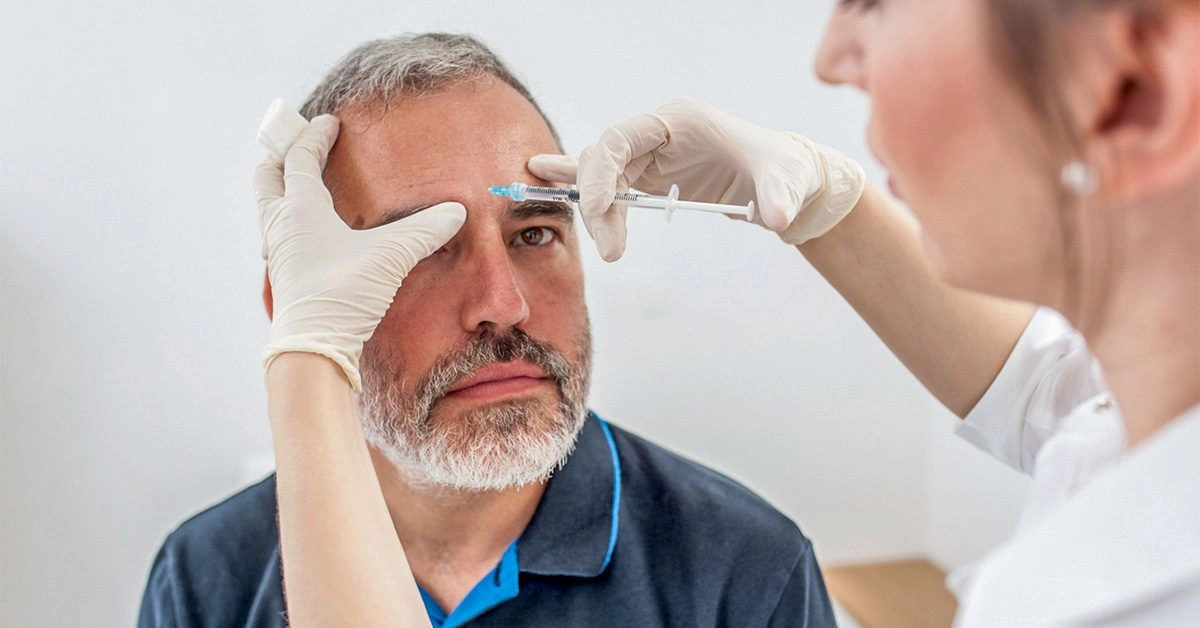
Do Derma Rollers Work for Beard Growth?


Microneedling with a derma roller might encourage beard growth, since it can support both hair development and skin wellness. However, it also carries potential side effects.
If your beard isn’t filling in as densely as you’d prefer, you might be exploring techniques to stimulate facial hair growth.
In recent years, many men have adopted derma rollers — tools that dermatologists and aestheticians have used for years to address acne scarring, enlarged pores, and fine lines. This approach is commonly called microneedling.

Microneedling involves a roller studded with tiny titanium or stainless-steel needles that create micro-injuries in the skin’s surface to trigger collagen production.
Collagen is made of amino acids that hair follicle cells utilize to synthesize keratin proteins, which support hair development and resilience.
Derma rollers — often called “beard rollers” — may also promote hair growth through additional mechanisms, particularly when combined with other treatments. Read on to learn more about derma rollers and suggestions for using them effectively.
How derma rollers may promote beard growth
The benefits of microneedling for enhancing skin health are well documented.
There are reports noting microneedling’s success in encouraging scalp hair regrowth, but rigorous research specifically examining derma rollers for beard enhancement is limited.
A study did indicate that minoxidil (Rogaine) might modestly assist facial hair growth. Another investigation found microneedling promising for treating hair loss, especially when used alongside therapies like minoxidil and topical steroids.
Beyond stimulating collagen and keratin synthesis, microneedling may help beard growth by increasing nutrient-rich blood flow to the treated area.
Good circulation is essential for healthy hair and skin. Using a derma roller may also activate stem-cell growth factors.
Risks
Because derma rollers puncture the skin, they come with certain risks. Initially you may notice skin irritation — redness and swelling — but these effects typically subside within a few days.
Minor bleeding can occur. If bleeding is heavy, it often means you’re applying too much pressure while rolling.
Guidelines for using derma rollers on your beard
Needle lengths on derma rollers vary. Larger needles (around 0.5 mm) should generally be used only once or twice weekly. Smaller needles (about 0.25 mm) may be used more frequently. Allow your skin time to recover between sessions.
Additional recommendations for derma rolling include:
- When beginning, choose a derma roller with fewer needles rather than one densely packed; more needles can increase the chance of tugging the skin.
- Cleanse your skin and beard before microneedling.
- Use only the pressure needed to keep the needles on the skin’s surface. When working on your cheeks, inflating each cheek slightly (as you might when shaving) can provide a firmer area to roll against.
- Roll the device back and forth in horizontal and vertical passes, and include both diagonal directions to create an even pattern across your beard.
- Avoid microneedling over active acne, since it can worsen irritation and spread bacteria from blemishes across your face.
- Sanitize your derma roller after each use by dipping it in alcohol or spraying it with a disinfectant.
- Plan to replace your derma roller every few months.
You may need to test it yourself to determine how much a derma roller can fill in patchy sections of your beard.
Keep in mind that genetics and other uncontrollable factors largely determine the kind of beard you can grow.
To give your derma roller the best opportunity to be effective, consider applying minoxidil on beard areas on days you’re not microneedling, perhaps once or twice weekly. Research in this area is not extensive.
Other ways to encourage beard growth
If you want additional approaches to potentially accelerate beard growth, consider these lifestyle changes:
- Exercise more regularly to further boost blood flow to your face.
- Follow a balanced diet rich in fruits, vegetables, whole grains, lean proteins, and good sources of iron and zinc.
- Prioritize sleep and manage stress. A healthier body is more likely to support denser facial hair.
Takeaway
Derma rollers have demonstrated effectiveness in stimulating scalp hair growth. Since there is limited clinical study on microneedling specifically for beards, proceed cautiously and maintain realistic expectations.
If you opt to use a derma roller on your beard, apply recommended techniques to increase your chances of success. Microneedling may yield noticeable improvement in your beard within a few weeks.
Frequently Asked Questions
Derma rollers can encourage beard growth by stimulating collagen production and improving blood flow to hair follicles, though evidence specific to beards is limited and results vary.
Shorter needles (around 0.25 mm) are suitable for more frequent use; 0.5 mm may be used once or twice weekly. Longer needles increase risk and should be used cautiously.
Frequency depends on needle length and skin response: smaller needles can be used more often, while larger needles need longer recovery times—typically once or twice weekly for 0.5 mm.
Yes—many people apply minoxidil on days they are not microneedling to potentially enhance results. Follow product guidance and allow skin to recover between treatments.
Common risks include redness, swelling, minor bleeding, and infection if tools aren’t sanitized. Avoid rolling over active acne and replace or disinfect the roller regularly.
Read Next

The Ultimate Skin Care Routine for Combination Skin

How to Get Perky Breasts Without Surgery

Simple Daily Habits for Healthy Skin

Can You Use Face Mapping to Improve Your Skin’s Health?

The 8 Best Eco-friendly Razors for a More Sustainable Shave

The Skin Benefits of Palmarosa Oil, Plus Recipes and Safety Tips
Related Posts

How to Build a Skincare Routine That Fits a Busy Day
Nov 20, 2026 • 36 min read
5 Evidence-Based Ways Collagen May Improve Your Hair
Sep 1, 2026 • 25 min read
Natural Treatment for Seborrheic Dermatitis: What Works?
Sep 28, 2026 • 13 min read
I Tried It: Neutrogena Hydro Boost Water Gel Review
Oct 1, 2026 • 20 min read
The 8 Best Cooling Pillow Cases
Oct 8, 2026 • 13 min read