How to Build a Skincare Routine That Fits a Busy Day


- Start with the three steps that matter most
- The five-minute morning routine
- The five-minute evening routine
- Adjusting the routine for your skin type
- Shortcuts that actually work
- What to add only when you have time
- Mistakes that waste a busy person’s time
- A sample routine for a normal busy day
- Start small and stay consistent
- Sources
Most skincare advice sounds like it was written for someone with an hour to spare every morning. Real life is different. You wake up late, you have work or classes, children to get ready, and a dozen other things before you leave the house. A routine that needs ten products and twenty minutes will not survive a busy week. The good news is that healthy skin does not need a long routine. It needs a short one you can actually do every day. This article shows how to build one that fits into a busy day, in five minutes in the morning and five minutes at night.
Start with the three steps that matter most
Dermatologists agree on three basics: cleansing, moisturizing and sun protection. Almost everything else is optional. If you do these three steps every day, you are already doing more for your skin than most people. A simple routine also makes it easier to tell what is working. When you use only a few products, you can see which one helps and which one causes a problem. When you use ten at once, you can never be sure.
A gentle cleanser, a plain moisturizer and a broad spectrum sunscreen are enough to start. Skin takes about four to six weeks to renew itself, so give a new product that long before you judge it.
The five-minute morning routine
Morning is about protection. Your skin will face sun, dust, pollution and sweat during the day.
First, wash your face with lukewarm water and a gentle cleanser. Use your fingertips and keep it to about thirty seconds. Hot water and strong soaps strip away the natural oils that protect your skin, and that can leave it dry and irritated. If your skin feels tight after washing, your cleanser is too harsh. On a very rushed morning, even a splash of lukewarm water followed by moisturizer is better than skipping the routine altogether.
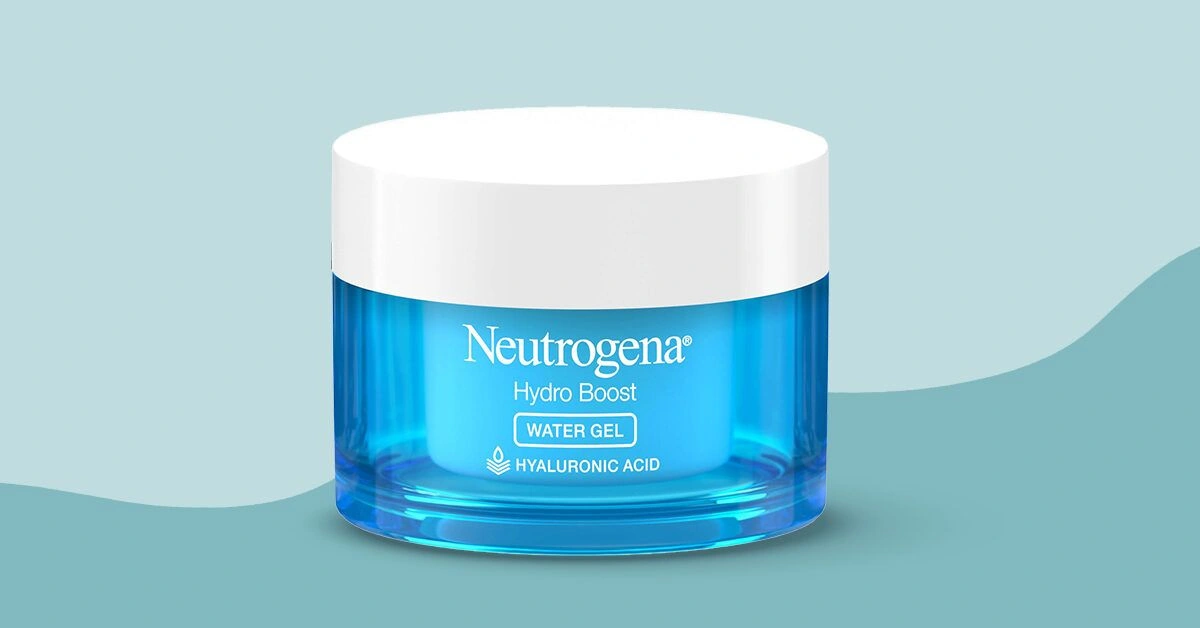
Second, apply moisturizer while your skin is still slightly damp. Moisturizer works best when it can lock in water that is already on your skin, and it keeps the skin barrier strong. A healthy skin barrier is what keeps irritants out and moisture in. Lighter lotions suit oily skin, while richer creams suit dry skin. People with sensitive skin should look for fragrance free products with few ingredients.
Third, apply sunscreen as the last step, about fifteen minutes before you go outside. Dermatologists recommend a broad spectrum sunscreen with SPF 30 or higher, used every day, even when it is cloudy and even in winter. The sun is the biggest cause of early wrinkles, dark spots and uneven skin tone, and it raises the risk of skin cancer. Use a full finger length of product for the face and neck, and reapply every two hours if you are outdoors, sweating or swimming.
The five-minute evening routine
Evening is about cleaning and repair. During the day your skin collects sunscreen, makeup, dust and sweat, and the evening wash removes all of it so your skin can repair itself overnight.
First, wash your face again with the same gentle cleanser. If you wear makeup or sunscreen, make sure the evening wash removes it fully, because makeup left on overnight can clog pores and lead to breakouts. Second, apply moisturizer again. Night is when your skin repairs itself. If your skin is very dry, a slightly richer cream at night can help, but the same daytime moisturizer is fine for most people.
Adjusting the routine for your skin type
A busy-day routine should fit your skin, not fight it. If your skin is oily, use a light, oil free moisturizer and a gel or foaming cleanser. Harsh products usually make oily skin produce even more oil, so do not try to dry it out. Blotting paper can help with shine during the day.
If your skin is dry, use a cream cleanser and a richer moisturizer, and avoid hot water. A moisturizer with glycerin or hyaluronic acid helps hold water in the skin, and a slightly heavier cream at night helps in winter.
If your skin is sensitive, keep the routine as short as possible, choose fragrance free products with few ingredients, and introduce new products one at a time. If one causes redness, burning or breakouts, stop using it and let your skin settle.
If your skin is a combination, use one routine: a gentle cleanser and a light moisturizer everywhere, with a little extra moisturizer only on the dry areas.
Shortcuts that actually work
Keep your products next to your toothbrush, so you use them while you are already at the sink. A routine you have to go looking for is a routine you will skip.
Do your evening routine as soon as you get home, not right before bed. By bedtime you are tired, and tired people skip steps. Washing your face when you change out of your day clothes takes the same five minutes, and it actually happens.
Keep a small bottle of sunscreen in your bag or your car, so you can still apply it if you forget in the morning. A moisturizer with SPF can work on a rushed morning.
What to add only when you have time
Once the basic routine is a habit, you can add one extra step if you want to, but only one at a time. A weekly gentle exfoliation can help remove dead skin, but once or twice a week is enough for most people, and many do well without it at all. Harsh scrubs and strong exfoliating acids used too often can damage the skin barrier.
A treatment product, such as vitamin C or retinol, can help with dark spots or fine lines, but these are extras. Start slowly, and never start two strong products on the same day.
Mistakes that waste a busy person’s time
The most common mistake is changing products too often. Skin needs weeks to show a change, so pick simple products, use them every day, and give them at least a month.
Another mistake is copying a long routine from the internet. A ten step routine costs a lot, takes a long time, and increases the chance that one product will irritate your skin. If it takes more than ten minutes, most busy people will stop within a week.
Sleeping with makeup on clogs pores and causes breakouts, so even on the most tiring evening, a thirty second wash is worth it. Tanning beds are never worth it. They expose skin to concentrated ultraviolet radiation and are a known cause of skin cancer. A self tanning product is a much safer choice.
Finally, do not skip sunscreen because it is cloudy or you will be indoors. Ultraviolet light passes through clouds and windows, and it adds up over the years.
A sample routine for a normal busy day
Morning, five minutes: wash with a gentle cleanser, moisturize while your skin is damp, then apply broad spectrum sunscreen SPF 30 or higher. During the day, reapply sunscreen if you are outdoors for a long time, and keep your hands off your face. We touch our faces far more often than we realize, and our hands carry dirt and germs that can clog pores.
Evening, five minutes: wash again with the same gentle cleanser, then apply moisturizer. Change your pillowcase at least once a week. Weekly, if you have time: one gentle exfoliation, and nothing else new. If a skin problem does not improve, see a dermatologist rather than trying stronger products on your own.
Start small and stay consistent
The best skincare routine is not the longest one or the most expensive one. It is the one you can do every day, even on your busiest day. Start with the three morning steps and the two evening steps. Do them for a month. Then, if you want to, add one extra step and give that a month too.
Healthy skin is built on small daily habits, not on perfection. Wash gently, moisturize while your skin is damp, wear sunscreen every day, and give your routine time to work. Pick one habit and start today, add another next week, and in a month or two your skin will show the difference.
Sources
American Academy of Dermatology Association, guidance on skin care basics, sunscreen use and healthy skin habits. NHS, advice on sun protection, skin care and healthy living. Cleveland Clinic, information on moisturizing, exfoliation and sleep and skin health. World Health Organization, guidance on ultraviolet radiation and sun protection.





Related Posts

How to Get Perky Breasts Without Surgery
Sep 9, 2026 • 36 min read
Can You Use Face Mapping to Improve Your Skin’s Health?
Sep 20, 2026 • 24 min read
The Ultimate Skin Care Routine for Combination Skin
Sep 20, 2026 • 24 min read
Shea Butter for Your Face: Benefits and Uses
Aug 27, 2026 • 36 min read
Proper Dosage for Botox Treatment on the Forehead, Eyes, and Glabella
Aug 20, 2026 • 9 min read