Essential Oils for Cellulite

Background on essential oils and cellulite
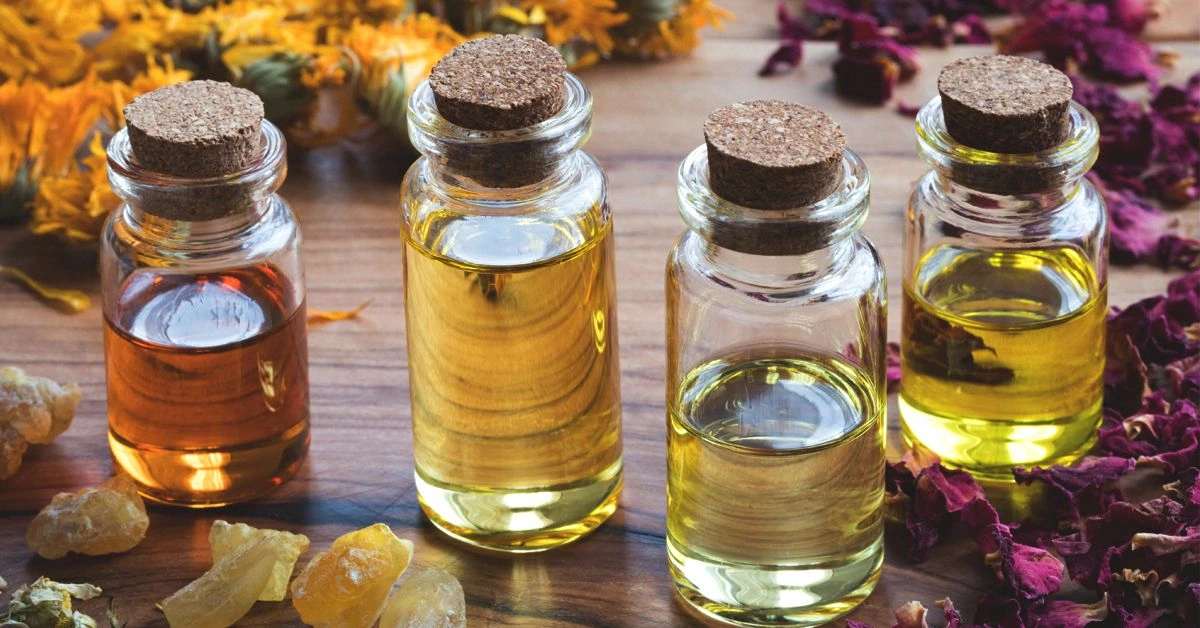
Essential oils have long been employed across cultures to address a variety of issues, from easing stress and promoting wound healing to clearing nasal passages. Dermatologists commonly suggest at least 90 essential oils for skin-related concerns, with over 1,500 typical blends in use.
One relatively recent use of these extracts is for improving the appearance of cellulite. Cellulite describes areas—most frequently on the hips, thighs, buttocks, and abdomen—where skin appears dimpled or lumpy because pockets of fat push up against connective tissue beneath the skin.
Cellulite isn’t limited to people with higher body weight. The Mayo Clinic notes that genetics are likely the main determining factor for whether someone develops cellulite.
Although cellulite is not medically serious, its look can be upsetting to some. A 2014 study found cosmetic concern about cellulite in up to 90 percent of women after puberty, compared with just 2 percent of men.

Which essential oils are commonly used for cellulite?
A 2017 review in Evidence-Based Complementary and Alternative Medicine lists the most frequently utilized essential oils for cellulite as:
- cedarwood
- cypress
- fennel
- geranium
- grapefruit
- juniper
- lavender
- lemon
- lemongrass
- lime
- mandarin
- rosemary
- Spanish sage
How to apply essential oils for cellulite
Essential oils are highly concentrated and shouldn’t be applied undiluted to skin because they can cause irritation. They should be mixed with a carrier oil—common kitchen options include coconut or olive oil.
The National Association for Holistic Aromatherapy also recommends carrier oils such as:
- apricot kernel
- arnica
- avocado
- baobab
- borage
- calendula
- evening primrose
- jojoba
- marula
- rosehip seed
- sea buckthorn
- St John’s wort
- sweet almond
- tamanu
Proper dilution
After selecting an essential oil and a carrier, the University of Minnesota advises dilutions between 1 and 5 percent. For massaging broad areas, use nearer to 1 percent.
- 1 percent: 1 drop essential oil per teaspoon of carrier oil
- 3 percent: 3 drops essential oil per teaspoon of carrier oil
- 5 percent: 5 drops essential oil per teaspoon of carrier oil
Apply the blended mixture to the targeted area and massage gently. Because essential oils evaporate relatively rapidly, it’s usually recommended to use them twice daily.
A small 2018 Thai study observed that regular massage with an herbal wrap containing lime and lemongrass (among other oils and botanicals) over eight weeks reduced both cellulite visibility and measured skin fold thickness.
Keep in mind multiple factors may have influenced those findings, including the mechanical effects of massage itself.
You can buy lime and lemongrass essential oils online.
Safety tips for using essential oils
Take these precautions when considering essential oil treatments:
- Ensure the room where you apply oils is well ventilated.
- Avoid getting oils into your eyes.
- Keep oils away from open flames; they are highly flammable.
- If skin irritation occurs and persists after stopping use, consult your physician.
- If anyone accidentally ingests essential oils, call poison control right away and try to drink whole or 2 percent milk. Do NOT induce vomiting.
- Do not consume essential oils.
Discuss any treatment plan, including essential oil use, with your doctor before starting.
Bottom line
Essential oils have been investigated as a low-side-effect approach to managing the appearance of cellulite. Still, more research is necessary to identify optimal oils, blends, and their true efficacy compared with carrier oils or massage alone.
Consult with your primary care physician or a dermatologist prior to using essential oils so they can advise on the best options for your skin.
Frequently Asked Questions
Common choices include grapefruit, lemongrass, juniper, rosemary, cypress, geranium, and cedarwood; they’re often used in blends combined with carrier oils for massage.
Use a 1–5% dilution depending on area size—about 1 drop per teaspoon for 1%, 3 drops per teaspoon for 3%, and 5 drops per teaspoon for 5%; for large areas stick closer to 1%.
Apply a properly diluted blend and massage the area gently, typically up to twice daily; consistency over weeks is usually advised to assess any visible change.
Yes—avoid undiluted use, keep oils away from eyes and flames, ventilate the room, and stop use if persistent skin irritation occurs; consult a doctor for concerns or if pregnant.
There’s limited evidence they fully eliminate cellulite; some studies show improved appearance when combined with massage, but results vary and more research is needed.



Related Posts

How to Treat an Inverted Nipple
Aug 10, 2026 • 9 min read
What to Expect After Laser Treatment for Spider Veins
Sep 13, 2026 • 10 min read
How to Get Perky Breasts Without Surgery
Sep 9, 2026 • 8 min read
Proper Dosage for Botox Treatment on the Forehead, Eyes, and Glabella
Aug 20, 2026 • 15 min read
Green Tea for Hair: A Complete Guide
Aug 4, 2026 • 24 min read