Does Fascia Blasting Work and Is It Safe?

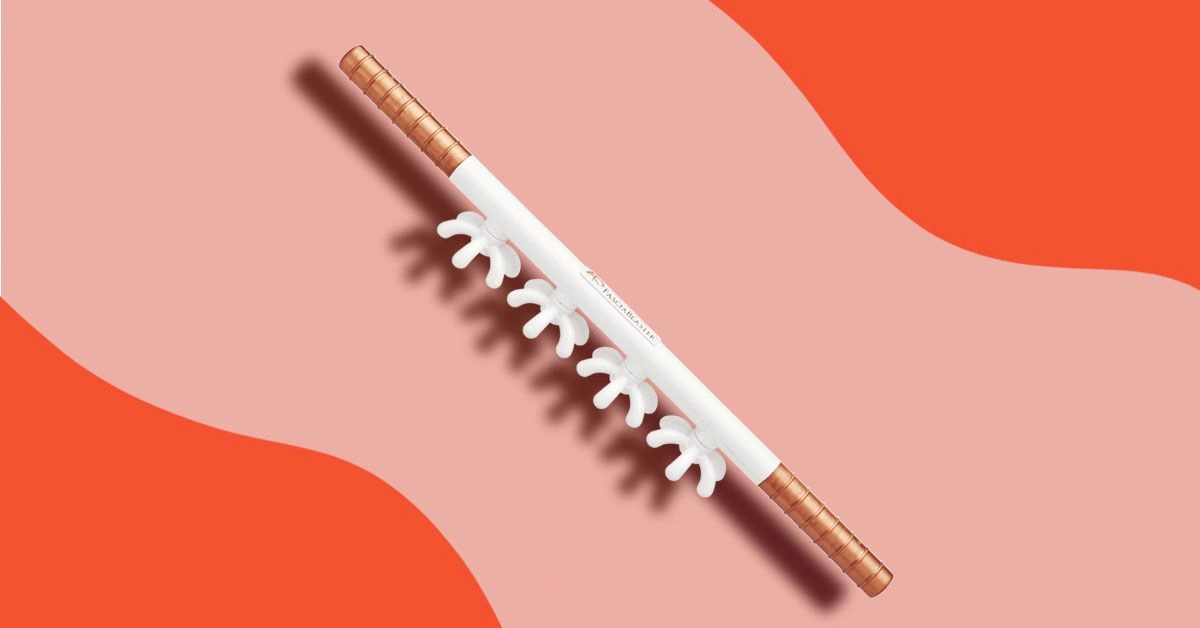
Fascia blasting is a practice intended to massage and loosen tight fascial tissue. It employs a device known as the FasciaBlaster, created by Ashley Black.
Over the past few years, interest in treating the fascia has surged. The central idea is that tight myofascial tissue may contribute to pain and the appearance of cellulite.
Consequently, fascial manipulation — a hands-on approach aimed at releasing the fascia through targeted pressure and movement — has become a popular topic within the health and wellness community.
One of the more talked-about approaches is fascia blasting. This method uses a handheld tool designed to free up the fascia, with the goal of easing pain and diminishing cellulite.
While some users praise fascia blasting and report benefits, others remain skeptical about its effectiveness.
This article examines fascia blasting more closely and reviews the evidence behind the practice.
What is fascia?
Researchers are still exploring fascia, and there remains debate about its precise definition.
Still, most experts agree that fascia is a continuous connective tissue network that envelops muscles, bones, organs, and nerves. It’s rich in collagen and helps provide structural form to the body.
The continuous architecture of fascia supports movement by attaching to, enclosing, and separating muscles and internal organs, allowing them to glide and shift against one another.
When fascia is healthy, it’s supple enough to twist, slide, and bend. But inflammation or injury can cause the fascia to tighten and generate pain. Fascia also contains numerous pain-sensitive nerves.
Fascial pain is linked to several conditions, such as:
- myofascial pain syndrome
- fibromyalgia
- plantar fasciitis
- lower back pain
The connection between fascia and cellulite
Fascia may also be implicated in cellulite, the dimpled skin texture most commonly found on the thighs, hips, and buttocks.
Cellulite occurs when fibrous connective bands tether the skin down to muscle, allowing fat cells to bulge between those bands and create a dimpled surface.
A 2023 study suggests women with cellulite might have weaknesses in the dermis and connective tissues, including superficial fascia. However, the researchers emphasize that cellulite’s causes are “multifactorial and complex.”
Further investigation is required to clarify the relationship between fascia and cellulite.
How does fascia blasting work?
Fascia blasting is one approach to fascial manipulation. It employs a rigid plastic tool called the FasciaBlaster, invented by Ashley Black. The device resembles a long handle fitted with small claw-like projections.
Although the FasciaBlaster is the best-known brand, other manufacturers sell comparable tools often labeled cellulite blasters or fascia massage sticks.
:max_bytes(150000):strip_icc()/what-is-fascia-blasting-realsimple-49b99fae4d274d63925c594aa8943beb.jpg)
The fascia blaster is intended to be worked over the skin area by area to loosen fascial tissue.
There are different techniques for fascia blasting, but a common routine looks like this:
- Warm the area using a heating pad or hot shower. You may also begin with a light massage using the tool.
- Apply oil to the region you plan to treat.
- Move the fascia blaster across the skin in a scrubbing motion for about 2 to 5 minutes on one area.
- Continue to other regions of the body as needed.
Beginners are usually advised to start with 1 minute or less to gauge their body’s response.
It’s commonly recommended to follow the session with a gentle massage and plenty of fluids. A cold shower may help reduce any swelling.
Are there benefits to fascia blasting?
Some people who have tried fascia blasting report benefits such as:
- reduced cellulite
- firmer skin
- less muscle pain
- reduced joint discomfort
- improved circulation
Despite these personal accounts, scientific research specifically on fascia blasting is limited.
The only study to date is a small 2019 paper authored by Ashley Black and scientists at The Applied Science and Performance Institute in Tampa, Florida.
That trial included 33 women with thigh cellulite who used the FasciaBlaster on their thighs five times weekly for 12 weeks, with subcutaneous thigh fat measured every four weeks.
After 12 weeks, the investigators reported a reduction in subcutaneous thigh fat and a visible decrease in cellulite. The authors proposed that fascial manipulation may free fat from constricting fibrous bands.
However, this single small study is not enough to confirm efficacy—more rigorous research is needed.
What are the side effects of fascia blasting?
Anecdotal reports indicate fascia blasting may not be safe for everyone and may produce adverse effects.

People who’ve used the technique have described various symptoms, including:
- severe bruising
- skin discoloration
- worsening cellulite
- more prominent varicose veins
- increased pain
- extreme fatigue
- weight gain
Some users of the FasciaBlaster have also filed reports with the U.S. Food and Drug Administration (FDA). Keep in mind that FDA reports can be submitted by anyone and don’t necessarily establish causation.
Again, additional research is needed to better understand these reported harms and any real benefits of fascia blasting.
Are there other alternatives to keeping fascia healthy?
Fascia blasting is not the only method to influence fascial health. Other options include:
- Foam rolling. Softer and gentler than fascia blasters, foam rollers are commonly used to ease myofascial pain and may help with cellulite.
- Massage. Therapeutic massage can relieve general fascial discomfort, including lower back issues. Some practitioners offer “anti-cellulite” massages, though outcomes vary.
- Lipomassage. A powered handheld device kneads and smooths the skin; per the American Academy of Dermatology, results are usually temporary.
- Myofascial release therapy. Therapists or chiropractors use hands-on techniques to release tight fascia and relieve pain.
- Ultrasound. Targeted ultrasonic treatments may reduce cellulite by disrupting fat cells. Therapeutic ultrasound can also boost circulation and ease myofascial discomfort.
- Stretching. Regular stretching programs can help manage conditions like plantar fasciitis, myofascial pain syndrome, and fibromyalgia.
- Posture and alignment. Poor posture or altered gait from injury can tighten fascial tissues. Practicing good posture while sitting, standing, and walking can help prevent fascial tension.
The takeaway
Proponents claim fascia blasting can ease pain and reduce cellulite, but scientific support is sparse. Most claimed benefits are anecdotal or theoretical.
At the same time, some users report adverse effects such as significant bruising and heightened pain after fascia blasting.
If you’re considering trying fascia blasting, consult with a physician or orthopedist first to determine whether it’s safe and appropriate for your situation.
Frequently Asked Questions
Fascia blasting is a technique that uses a handheld tool (often called a FasciaBlaster) to massage the skin and underlying fascial tissue, aiming to loosen tight fascia and potentially reduce cellulite or pain.
Some users report reduced cellulite after fascia blasting, and one small study found improvements; however, scientific evidence is limited and more rigorous trials are needed to confirm effectiveness.
Reported side effects include severe bruising, skin discoloration, increased pain, more visible varicose veins, and fatigue. FDA reports exist but do not by themselves prove causation.
Yes. Safer, commonly used options include foam rolling, therapeutic massage, myofascial release by a trained therapist, ultrasound treatments, stretching, and improving posture and alignment.
Consult a physician or orthopedist before trying fascia blasting, especially if you have existing pain, bleeding disorders, skin conditions, or vascular issues, to determine if it’s appropriate and safe for you.






Related Posts
A Review of Priority STD
Jul 30, 2026 • 23 min read
Everything You Need to Know about Sensory Deprivation Tank Therapy
Aug 11, 2026 • 22 min read
Stabilize Your Knees with Step-Downs
Sep 24, 2026 • 19 min read
Virectin Review: Does It Really Work?
Sep 28, 2026 • 27 min read
What Is Sweet Annie and What Are the Benefits?
Aug 19, 2026 • 9 min read