7 Ways to Remove Dead Skin from Your Feet

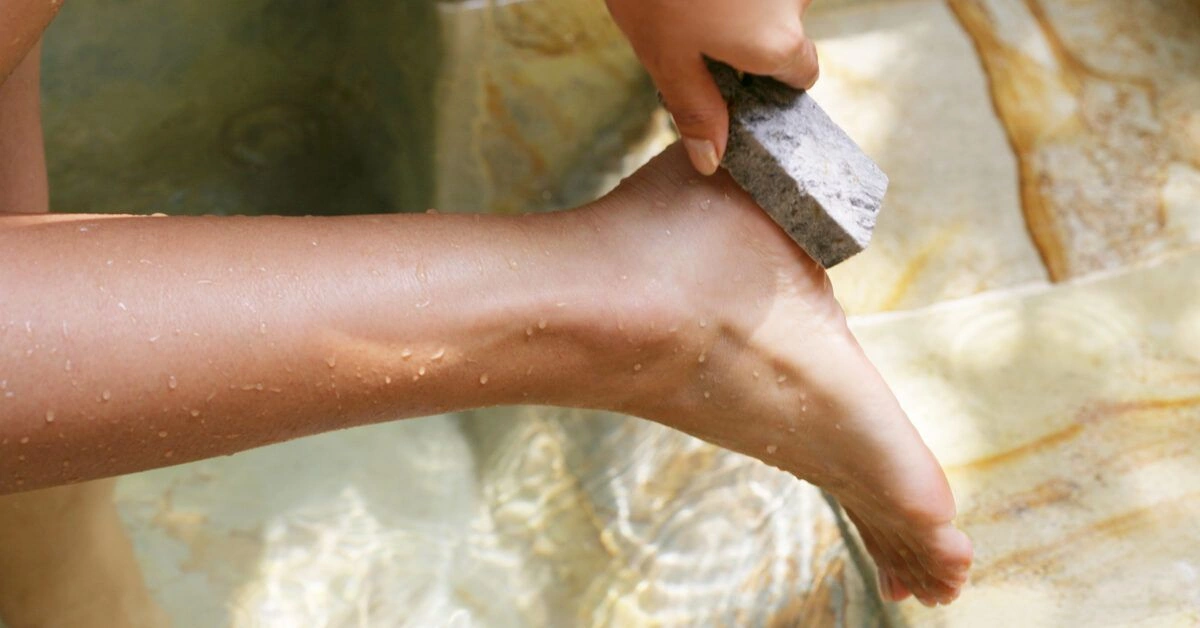
Exfoliation can help slough off dead skin on your feet. Methods include scrubbing, soaking, or using paraffin wax treatments.
What dead skin on the sole looks like and when to seek care
Dead skin on the underside of your foot may present as dry, fissured, loose, or hanging skin. It’s typically not painful unless it’s driven by an underlying condition or an infection.
If you suspect an infection or a medical issue, consult your doctor for proper care. Otherwise, many people remove dead skin for cosmetic reasons or for greater comfort.
Below are several approaches to getting rid of dead skin.
1. Pumice stone
A pumice stone is a volcanic rock that helps smooth away dead skin and calluses on your feet.
How to use:
- Soak the pumice stone in warm water. You may also soak your feet for about 10 minutes to soften the skin.
- Gently rub the stone in circular or side-to-side motions over the affected area to remove dead tissue. Aim to take off only the topmost layer to encourage healthy skin renewal.
- Finish by applying lotion or oil to moisturize your feet.
Avoid using a pumice stone on raw or irritated areas. Doing so might worsen inflammation, sensitivity, or cause changes in skin pigmentation.
2. Paraffin wax
Paraffin wax treatments are a common pedicure add-on at many salons.
Paraffin is a soft wax melted to around 125°F (51°C). It should feel warm but not hot enough to burn.
You can perform a paraffin treatment at home with an at-home paraffin bath, or melt wax in a saucepan and transfer it to a bowl for dipping.
During the treatment, dip your feet into the wax several times to build layers, then wrap them in plastic.
Once the wax cools and is removed, it should take away dead skin with it, leaving feet feeling softer.
Avoid paraffin wax if:
- you have poor circulation
- you have rashes or open wounds on your feet
- you have lost sensation in your feet (for example from diabetic neuropathy)
If doing this at home, closely monitor wax temperature with a candy thermometer to avoid burns.
3. Foot scrub
Most drugstores sell various foot scrubs that contain abrasive granules to help slough off dead skin.
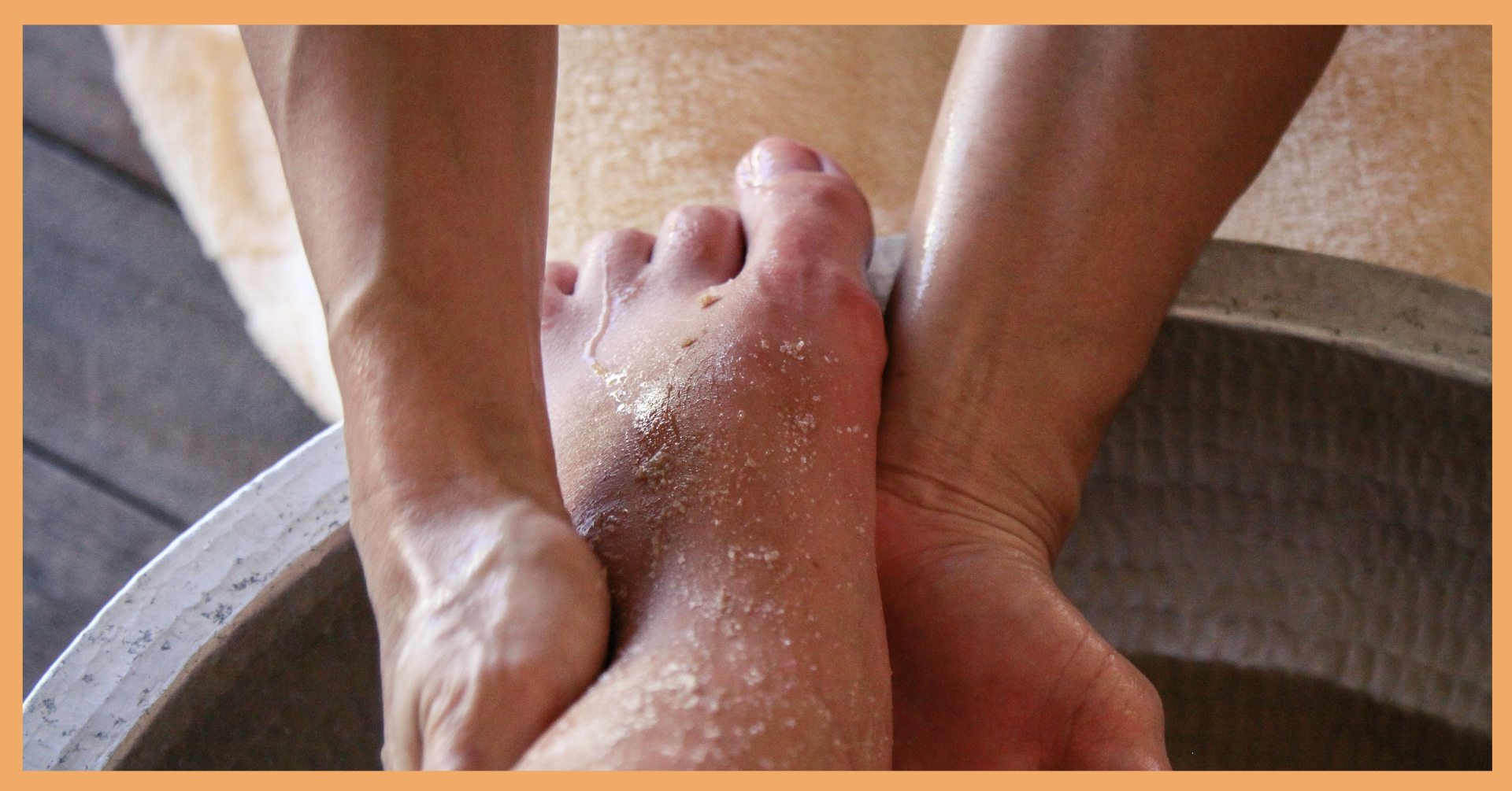
You can also DIY a scrub by mixing 2 tablespoons of sea salt with equal parts baby oil and lemon juice.
To apply a foot scrub, massage it onto your foot with your palm, or use a scrub brush or sponge to assist in removing dead skin.
Be sure to dilute lemon juice adequately, as it can alter the skin’s natural pH and potentially cause irritation, hyperpigmentation, or increased sun sensitivity.
Rinse thoroughly with warm water after scrubbing.
4. Oatmeal scrub
Oatmeal makes an effective homemade exfoliant for removing dead skin.
Mix equal amounts of oatmeal with rose water or milk to form a paste. To use:
- Spread the paste on your feet and leave it on for 20 to 30 minutes.
- Use a foot brush to exfoliate.
- Rinse with cool water and allow your feet to air dry.
- Apply a nourishing foot cream.
Repeat this treatment every other day for optimal results.
5. Epsom salt soak or scrub
Epsom salt is crystalline magnesium sulfate, a mineral compound often used for soaks.
Dissolving Epsom salt in warm water can help soften and exfoliate dry, cracked feet, aiding in the removal of dead skin.
How to use:
- Add 1/2 cup of Epsom salt to a footbath or 1 cup to a bathtub filled with warm water.
- Soak for up to 20 minutes to relax and help loosen dead skin.
- After soaking, you may use a pumice stone or foot brush to further remove dry skin.
To make an Epsom salt scrub in the shower or bath, mix a handful of salt with a tablespoon of bath oil or olive oil in your hand or on a sponge.
Gently massage over wet skin to exfoliate and soften, then rinse off.
6. Vinegar soak
Vinegar soaks can help soften feet and make it easier to remove dry, dead, or cracked skin.
Apple cider or white vinegar are common choices that you may already have on hand.
Use cool or lukewarm water to prepare the soak, since hot water can dehydrate the skin. A common ratio is 1 part vinegar to 2 parts water. Start with a 5 to 10 minute soak.
After soaking, you can use a pumice stone to gently remove loose skin. Seal in moisture afterward with lotion, petroleum jelly, or coconut oil and socks.
Limit this treatment to a few times per week as vinegar can be drying if overused.
7. Foot peels
Foot peels are an at-home option many use to shed dead skin and smooth feet.
Typically, you wear supplied plastic “booties” filled with a gel solution—often containing fruit acids or moisturizers—for about an hour.
Follow the package directions carefully.
After application, keep your feet damp daily to encourage peeling over the next 3 to 7 days.
Although scientific evidence for these products is limited, many users report softer feet after use.
Methods to approach with care
Baking soda soak
Baking soda is a common home remedy for removing dead skin, but some dermatologists caution it can irritate, redden, or further dry skin by disrupting its natural pH.
Avoid baking soda if you have sensitive skin or allergies and check with your doctor before trying new treatments.
If you try it, use only 2 to 3 tablespoons in a full footbath of warm water for 10 to 20 minutes.
After soaking, gently exfoliate with a pumice stone or foot brush, then apply a rich moisturizer.
If you notice redness or irritation during the soak, remove your feet immediately.
Lemon water soak
The acidity of lemon may help loosen dead skin cells, but like baking soda, it can upset the skin’s pH balance and increase dryness.
Avoid lemon soaks if you have open cuts, sensitive skin, or notice changes in skin color.
Consult a podiatrist or dermatologist if you’re unsure whether this method is right for you.
If you proceed:
- Fill a footbath with warm water.
- Squeeze juice from one lemon into the water or add lemon peels.
- Soak up to 15 minutes.
- Use a foot brush to remove loosened skin.
- Thoroughly wash and dry your feet, and apply moisturizer or coconut oil if desired.
Razor or scraper
Only a podiatrist or trained clinician should remove calluses or dead skin with a razor or scraper.
Do not attempt to use razors or scrapers at home. These tools can damage your skin or introduce infection.
An accidental cut could lead to bacterial infection, especially if you have circulatory problems or diabetes.
If you’re worried about hard or dead skin, consult your doctor for safer alternatives or medical treatments.
Takeaway
Dead skin on the feet is usually benign and can often be treated at home.
Contact your doctor or podiatrist if you have excessive dead skin, persistent calluses, deep cracks, wounds, or rashes that don’t improve with home care.
Frequently Asked Questions
Exfoliate 1–2 times per week for most people. Over-exfoliating can irritate skin and cause dryness or sensitivity. If your feet are very dry or cracked, start gently and reduce frequency if irritation occurs.
Gentle options like oatmeal scrubs, mild foot scrubs with fine granules, or short Epsom salt soaks are typically best for sensitive skin. Avoid strong acids, harsh scrubs, and prolonged vinegar soaks unless advised by a clinician.
No. Using a pumice stone daily can remove too much skin and cause soreness. Limit pumice use to once or twice weekly and always on softened skin after soaking.
Many people use foot peels safely, but they can cause irritation, especially if you have sensitive skin, cuts, or certain skin conditions. Follow package directions and stop use if you experience severe discomfort or signs of infection.
See a doctor if you have persistent, painful, bleeding, or infected areas, deep cracks, or if you have diabetes or poor circulation before attempting aggressive at-home treatments.
Read Next

Do Tattoos Always Stretch? What to Know Before Getting Inked

Can You Eat Pumpkin or Pumpkin Seeds Raw?

What Is Squid Ink, and Should You Eat It?

This Is What You Should Do After Unprotected Sex or Condom Failure

Health Benefits of Hawthorn Berry

2025 Noom Diet Review: Follow Our Reviewer’s 12-Month Weight Loss Journey
Related Posts

8 Exercises to Ease Heel Spur Pain
Sep 27, 2026 • 3 min read
8 Ankle Stretches to Try at Home
Sep 15, 2026 • 18 min read
Who Should Consider Getting Peroneal Tendon Surgery?
Aug 9, 2026 • 19 min read
What to Do When Your Shoes Are Too Tight
Aug 12, 2026 • 28 min read
Why Are Blisters Forming Between My Toes and How Do I Treat Them?
Jul 31, 2026 • 6 min read