What to Do When Your Shoes Are Too Tight

- 7 methods to loosen your shoes
- 1. Break them in during the evening
- 2. Thick socks plus a hairdryer
- 3. Ice-filled zip bag
- 4. The peeled potato method
- 5. Adjustable shoe trees
- 6. Shoe stretch sprays and liquids
- 7. Visit a shoe repair specialist
- How to know if your shoes don’t fit
- Signs your shoes are the wrong size
- Your toes need space, too
- Shoe shopping guidance
- Foot issues from tight shoes
- The bottom line
Shoes that fit correctly are essential for your comfort and overall health. If you find yourself with footwear that feels a bit constricting, there are simple home techniques and professional options to make them more comfortable.
There are countless pairs of shoes available, but only two feet that are unique to you. Invest time to ensure the shoes you choose suit your feet.
Below are methods to loosen shoes that are too tight, plus advice on avoiding narrow shoes and the issues they can cause.

7 methods to loosen your shoes
1. Break them in during the evening
If the shoes are only mildly uncomfortable, try wearing them around your home. A few nights of light use can soften them enough to become comfortable.
Give your feet a break before using this approach, especially if it’s hot out or you’ve been on your feet a lot that day.
Buying new shoes? Walk only on rugs or carpeted areas so you can still return them in like-new condition if necessary.
2. Thick socks plus a hairdryer
If the first approach doesn’t do the trick, this technique adds extra stretch and helps the shoes form to your feet.
- Put on a pair of thick socks and fasten the shoes comfortably.
- Apply a hairdryer to the snug spots for 20 to 30 seconds at a time.
- Use medium heat only, and keep the dryer moving so you don’t overdry or scorch the material.
Afterwards, it’s wise to use a leather conditioner or moisturizer on the shoes if they’re leather.

3. Ice-filled zip bag
This approach works best on non-leather footwear.
- Partially fill a resealable plastic bag with water.
- Place the bag inside the shoe, positioning it near the tight areas.
- Put the shoe (with the bag inside) in the freezer overnight.
As the water freezes and expands, it will gently stretch the shoe for a tailored fit.
4. The peeled potato method
Peel a potato and shape it to match the contour of your shoe’s toe box. Dry it with a paper towel and stuff it into the shoe overnight. This hack can produce a modest amount of stretching.
5. Adjustable shoe trees
Once mainly used by cobblers, four-way adjustable shoe trees are now affordable for home use, often under $25. Models exist for both men’s and women’s footwear.
With slightly higher cost, deluxe cedar or wooden versions and stainless-steel options are available.
These tools can expand both the length and width of a shoe. Special attachments (bunion plugs) can target tight spots in the toe box.
Rotate the adjustment knob every 8 to 12 hours to continue stretching until you reach the desired size.
You can pair this method with shoe-stretching sprays or liquids. It’s most effective on leather shoes and sneakers.

6. Shoe stretch sprays and liquids
There are numerous sprays and solutions for stretching leather, fabric, and vinyl. Spray the product on the tight areas, then walk in the shoes to help them conform to your feet.
These items also work well alongside adjustable stretchers for a customized expansion.
7. Visit a shoe repair specialist
Most cobblers and shoe repair shops offer stretching services. They have the equipment and expertise to modify shoes. A cobbler can stretch your footwear and also refresh and repair them to extend their lifespan.
Keep in mind, though, that shoe repair shops are less common than they used to be in many areas.
How to know if your shoes don’t fit
Research shows that about two-thirds of people wear shoes that are too narrow for their feet.
Shoes can feel tight for several reasons, including:
- toe box that’s too narrow, not tall enough, or both
- shoe overall is too short
- the shoe’s shape doesn’t match your foot
- heel height places excessive pressure on toes or other foot areas
If you’re unsure about how comfortable a pair feels, it’s best to skip them. Poorly fitting shoes can damage your feet and joints over time. You can usually find a better-fitting option elsewhere.
Signs your shoes are the wrong size
If your toes don’t point straight, seem squeezed, or overlap, the shoes are probably too tight. With a correct fit, toes have space between them and face forward rather than angling to the sides.
Your toes need space, too
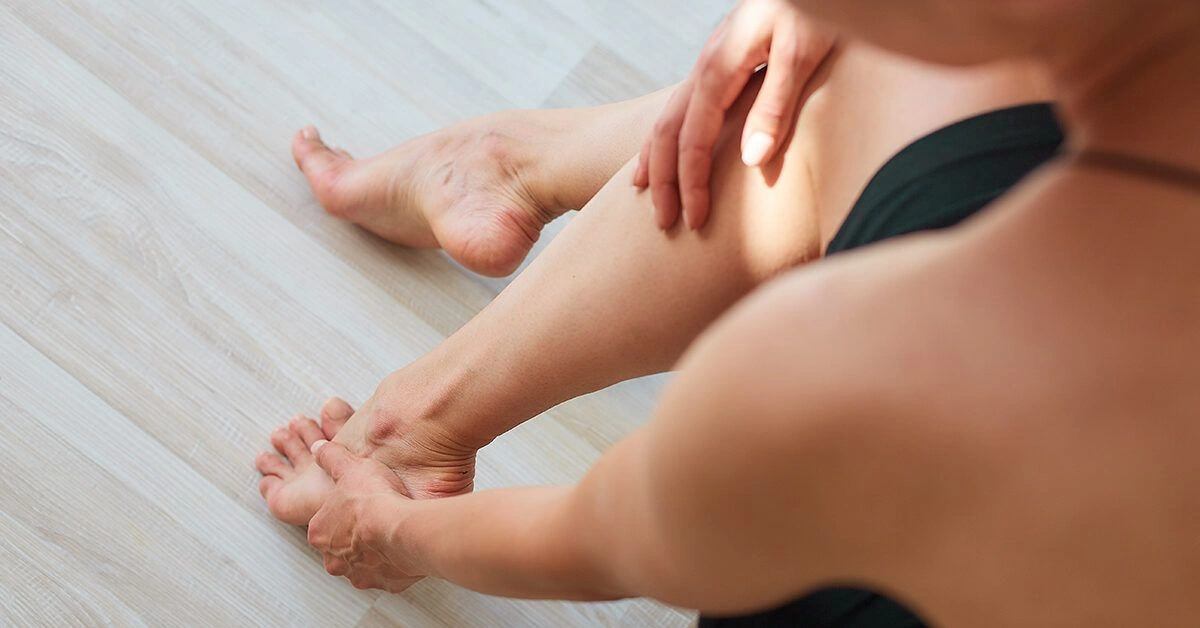
If your toes are crowded, the shoes are too small. Besides stretching the footwear, you should help your toes return to their natural, spread position. Try these actions:
- Gently take your toes in your hands and pull them apart.
- Separate and wiggle your toes.
- Make a habit of wiggling your toes daily.
- Remove shoes and socks to let your toes get air and sunlight.
Try a set of stretches and movements to help your feet feel better.
Shoe shopping guidance
- Take your time. Don’t rush when buying shoes. Try them on in the store and confirm they fit. Know the return policy before buying.
- Check return policies. If ordering online, review the seller’s return terms. Some brands offer free returns on footwear.
- Ask for experienced help. Some stores employ fit specialists who can measure your feet, suggest suitable shoes, and guide your choice.
- Visit specialty retailers. If you have foot issues like bunions, look for stores that carry orthopedic and specialty styles.
- Choose toe boxes that match your foot shape. Avoid pointy, curved, or oddly shaped shoes. Seek a roomy toe box instead.
- Identify brands that fit you. Different brands have characteristic shapes and widths; find the ones that work best for your feet.
- Consider men’s shoes. If you need extra width, men’s athletic shoes often have a broader cut and roomier toe boxes.
- Shop later in the day. Feet can swell and be slightly larger in the afternoon or evening, so try shoes then.

Foot issues from tight shoes
Limit how long and how often you wear high heels. While they may look attractive, prolonged wear can be harmful. Be kind to your feet and reduce their use.
Shoes that are too loose can cause blisters from rubbing. But shoes that are too tight can lead to even worse problems. They may:
- make you less stable on your feet
- deform toes, create blisters between toes, and worsen structural issues like hammer toe, mallet toe, or bone spurs
- exacerbate conditions such as bunions, flat feet, numbness, inflammation, and pain in the heel or ball of the foot (metatarsalgia)
- contribute to long-term cartilage damage in the toe and foot joints
The bottom line
Well-fitting shoes matter for your health and comfort. Don’t rush a shoe purchase; always ensure the pair suits your feet.
If your shoes are slightly too tight, you can try home remedies or seek a shoemaker’s help to make them fit better.
Frequently Asked Questions
Wear thick socks and apply a hairdryer to the snug areas for short bursts, or use adjustable shoe trees to expand width gradually for a quicker in-home fix.
The ice-filled bag and peeled potato hacks work best on non-leather materials; avoid freezing leather, which can stiffen or crack if not treated afterward.
Most sprays are formulated for leather, fabric, or vinyl and are safe when used as directed; test on a small area first and condition leather afterward.
If home techniques don’t help or the shoes are expensive/specialty items, a cobbler can professionally stretch and reshape them without risking damage.
Yes—prolonged use of shoes that are too tight can lead to deformities, bunions, nerve issues, calluses, and joint pain, so address fit issues promptly.



Related Posts
8 Ankle Stretches to Try at Home
Sep 15, 2026 • 4 min read
8 Exercises to Ease Heel Spur Pain
Sep 27, 2026 • 26 min read
Why Are Blisters Forming Between My Toes and How Do I Treat Them?
Jul 31, 2026 • 16 min read
7 Ways to Remove Dead Skin from Your Feet
Sep 10, 2026 • 21 min read
7 Stretches for Shin Splints
Sep 15, 2026 • 13 min read