Is the Pain in My Tailbone Cancer?


Facts about cancer
Cancer describes a group of related illnesses marked by cells that divide uncontrollably, displacing healthy tissue and potentially invading other parts of the body.
- Some cancers progress and spread rapidly, while others advance more slowly.
- Different malignancies vary in how they respond to treatment.
- Cancer can originate in virtually any organ or tissue in the body.
- Many cancers produce a mass or growth known as a tumor.
- Typical cancer therapies include surgical removal, chemotherapy, and radiation therapy.
Although pain in the tailbone does not automatically indicate cancer, certain malignancies can involve the coccyx region.
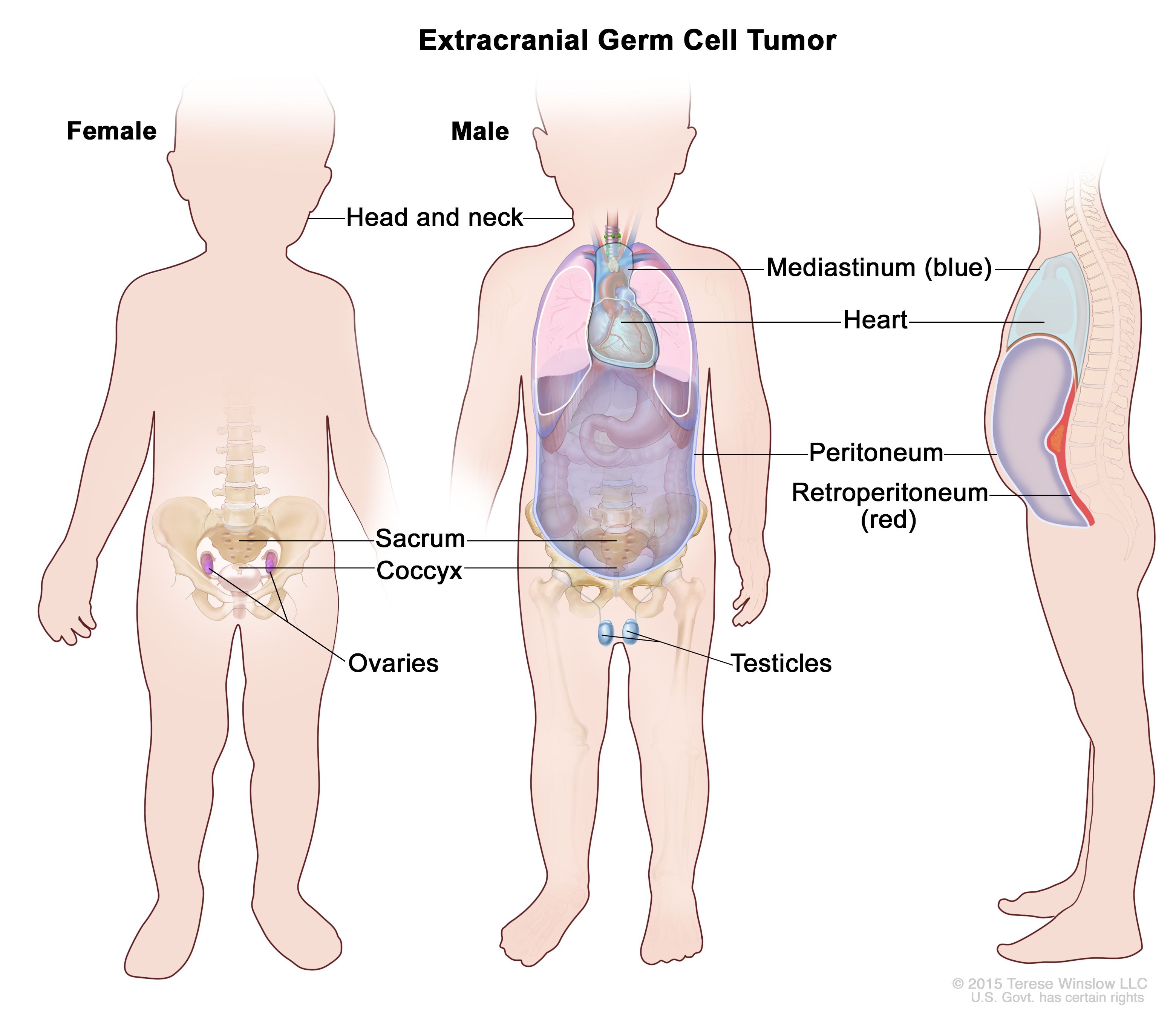
Tailbone cancer
Several types of cancer can affect the tailbone — the coccyx — a small triangular bone at the base of the spine beneath the sacrum. Tailbone involvement might represent a primary tumor in the coccyx or metastasis from a cancer elsewhere in the body, such as the lungs.
Chordoma
Chordoma is an uncommon malignant tumor that arises from remnants of the notochord and can appear along the spine. The American Academy of Orthopaedic Surgeons notes the coccyx is one of the frequent sites for chordoma.
Chordoma symptoms
- pain
- muscle weakness
- numbness
- tingling in the legs or arms
- bladder dysfunction
Chordoma treatment
Conventional radiation and systemic chemotherapy often have limited benefit, so surgery is commonly the mainstay of treatment. Operating on a chordoma at the tailbone can be challenging because of its proximity to the spinal cord.
When excising the tumor, surgeons typically remove a margin of healthy tissue around it. If vital structures lie very close to the tumor, the operation can produce complications such as:
- reduced pelvic stability
- weakness in the legs
- bowel or bladder control difficulties
- decreased sensation in the groin area
Vertebral tumor
Per the Mayo Clinic , most malignant vertebral tumors are metastatic, meaning they originate from cancers elsewhere. While many cancer types can spread to the spine, those most commonly responsible include:
- lung cancer
- breast cancer
- kidney cancer
- prostate cancer
The clinical presentation of a vertebral tumor affecting the coccyx is largely similar to that of chordoma.
Colon cancer
Some individuals with colon cancer experience coccyx pain. Other signs to watch for include:
- rectal bleeding
- abdominal pain or discomfort
- constipation or diarrhea persisting longer than four weeks
- fatigue

Other causes of tailbone pain
Pain around the coccyx can also stem from noncancerous causes, such as:
- benign growths, for example a tailgut cyst
- bruising, dislocation, or fracture due to injury
- proctitis
- sitting for long periods on a narrow or hard surface
- anal fissure
- loosening of ligaments around the coccyx in late pregnancy
- degenerative joint disease
- trauma from vaginal childbirth
Takeaway
Ongoing tailbone pain can sometimes be associated with certain cancers, and it may also reflect metastatic disease from sites such as the lungs. Nevertheless, many causes of coccyx pain are benign and less worrisome.
If you have persistent or severe tailbone pain, consult your physician. Early evaluation and diagnosis often lead to more effective treatment.
Frequently Asked Questions
While most tailbone pain is benign, certain cancers like chordoma or metastatic tumors can involve the coccyx and produce persistent pain. Medical evaluation is needed to determine the cause.
Red flags include progressively worsening pain, numbness or weakness in the legs, bowel or bladder dysfunction, unexplained weight loss, or a palpable mass near the coccyx.
Diagnosis typically involves a clinical exam followed by imaging such as X‑ray, MRI, or CT scan, and often a biopsy to confirm the type of tumor.
Surgery is commonly the primary treatment for primary coccygeal tumors like chordoma; radiation and systemic therapies may be used depending on tumor type and spread.
See a physician if pain persists beyond a few weeks, is severe, worsens, or is accompanied by neurological symptoms, bowel/bladder changes, or unexplained weight loss.






Related Posts

Ultrasounds Aren't Typically Used to Detect Cervical Cancer: Learn Why
Aug 31, 2026 • 22 min read
Carob Powder: 9 Nutrition Facts and Health Benefits
Aug 31, 2026 • 23 min read
Hot and Cold Therapy: When to Use Each for Neck Pain
Sep 4, 2026 • 28 min read
What Does Sexual Coercion Look Like?
Jul 31, 2026 • 25 min read
How Rear Lateral Raises Can Benefit Your Workout Routine
Sep 17, 2026 • 25 min read