10 Ways to Manage Sweaty Armpits


- 1. Use topical antiperspirants
- Tips for applying antiperspirant
- 2. Wait between showering and dressing
- 3. Shave your armpits
- 4. Skip the caffeine
- 5. Avoid sweat-inducing foods and beverages
- 6. Stay hydrated
- 7. Wear breathable, loose-fitting clothing
- 8. Stop smoking
- 9. Consider Botox injections
- 10. Consider surgical options
- Emerging treatments
- What causes excessive sweating?
- When to see a doctor
- Takeaway
Lifestyle adjustments, such as cutting back on caffeine or keeping well-hydrated, can help control sweating. Applying topical antiperspirants may also provide relief.
If your sweating is bothersome, you’ve probably experimented with numerous deodorant brands without much success.
Sometimes excessive sweating is due to a condition called hyperhidrosis, which a physician can diagnose and treat. Hyperhidrosis causes profuse sweating across the body, not limited to the armpits.
Heavy underarm sweating can be uncomfortable, but it doesn’t need to be unavoidable. A range of natural, over-the-counter, and medical strategies can lessen or stop excess underarm perspiration. Consider the following suggestions.
1. Use topical antiperspirants
Fed up with sweat marks on your clothing? Consider swapping your regular deodorant for an antiperspirant. Deodorants neutralize odor but aren’t formulated to fully prevent sweating.
Antiperspirants both reduce odor-causing bacteria and actively block sweat glands from producing armpit sweat. This can help ease your discomfort.
For some people, however, store-bought antiperspirants fall short. If ordinary products aren’t effective, look for stronger antiperspirants with a higher aluminum chloride concentration (about 10% to 15%).
If even stronger over-the-counter options don’t help, consult a physician about a prescription-strength antiperspirant.
Tips for applying antiperspirant
Applying antiperspirant properly is key to getting results. Keep these suggestions in mind:
- Only use antiperspirant on clean, dry skin. Don’t apply it to already-sweaty armpits or skin still damp from a shower.
- Apply antiperspirant at night after bathing, when your body is coolest. This gives the active ingredient time to work.
- Shave your underarms, since hair can interfere with antiperspirant effectiveness. Avoid applying immediately after shaving to prevent irritation.
- Be patient. It may take several days to notice the full benefits.
2. Wait between showering and dressing
After showering, pause a few minutes before getting dressed. This is especially helpful if you take hot showers or live in a warm, humid region.
Allowing your body to cool and dry before putting on clothes may help prevent armpit sweating right after bathing.
3. Shave your armpits
Shaving won’t lower the amount you sweat, but underarm hair traps moisture. Removing hair can reduce lingering dampness.
If you already experience heavy sweating, shaving might also help decrease the body odor that occurs from trapped sweat.
4. Skip the caffeine
Caffeine stimulates the nervous system, increasing sweating. It also elevates blood pressure and heart rate, putting sweat glands into overdrive.
If you have hyperhidrosis, foods and beverages with caffeine or theobromine (a caffeine precursor) can increase sweating . Cutting back on the following items may help:
- coffee
- tea
- caffeinated sodas
- chocolate
5. Avoid sweat-inducing foods and beverages
Some individuals have gustatory hyperhidrosis, which causes sweating while eating. This often happens after consuming spicy or acidic foods .
Specialists also advise steering clear of alcohol, as it can be a trigger.
6. Stay hydrated
Drinking plenty of water and eating high-water-content foods helps keep your body cool and can reduce excessive underarm sweating.
Water-rich foods include :
- melons
- strawberries
- celery
- spinach
- pickles
7. Wear breathable, loose-fitting clothing
Tight garments — especially those constricting under the arms — can produce armpit stains and increase sweating.
Choose natural, breathable fabrics and looser-fitting attire. This allows your underarms to cool and may help prevent sweating and staining.
You might also try underarm liners or pads for added protection.
8. Stop smoking
Nicotine from smoking — like caffeine — raises body temperature, speeds heart rate, and stimulates sweat glands .
Smoking also brings many other hygiene and health issues, such as bad breath, tooth discoloration, and increased cancer risk.
9. Consider Botox injections
If other approaches fail, medical options like Botox injections can reduce excessive underarm sweating.
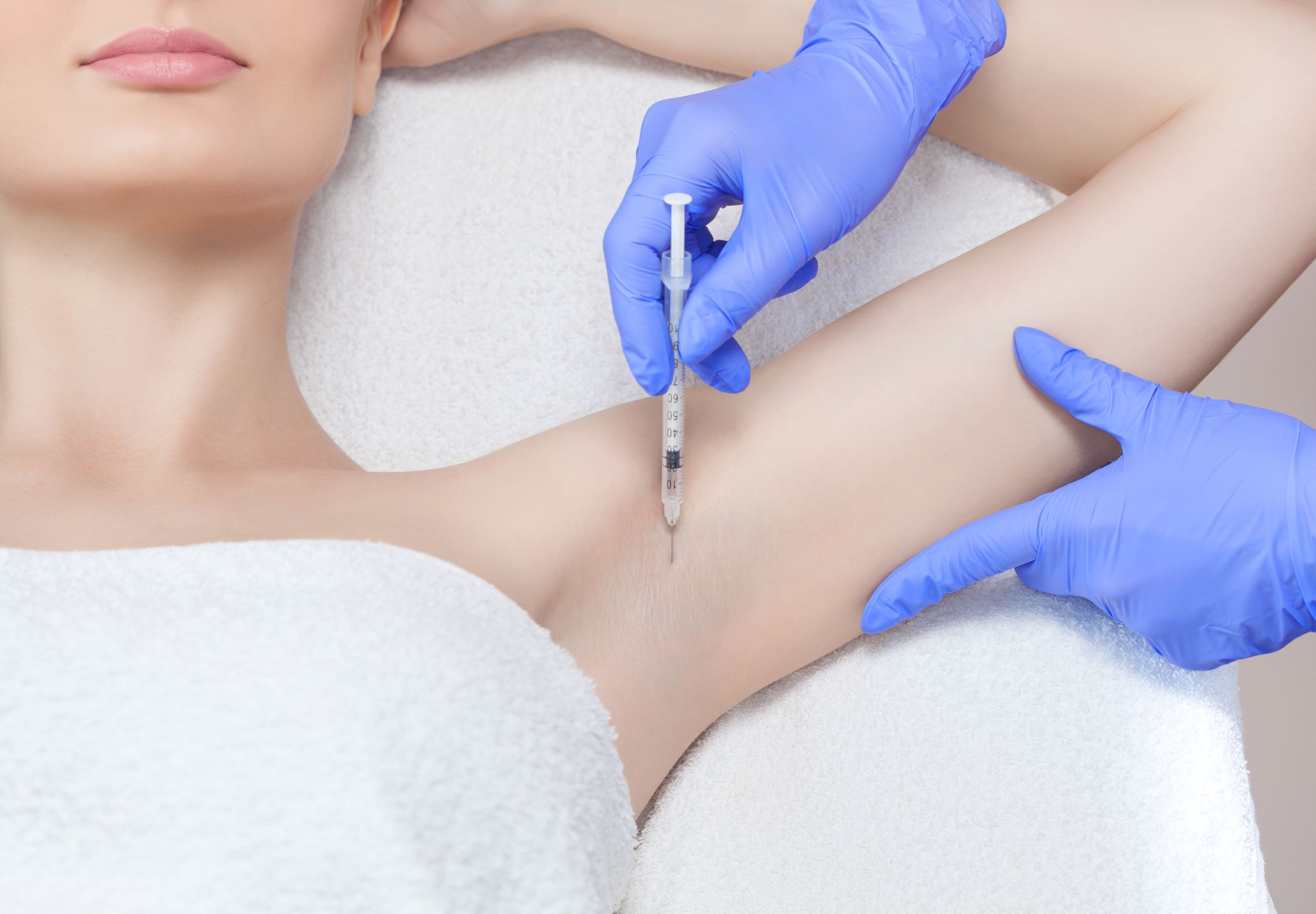
Studies have found Botox effective for treating severe armpit sweating. A dermatologist injects Botox, a neurotoxin, to interrupt the sympathetic nerve signals that trigger sweating.
The effects are temporary, so repeat treatments are needed to maintain the benefit.
10. Consider surgical options
There are surgical treatments for hyperhidrosis, including thoracic sympathectomy and sweat gland removal.
Thoracic sympathectomy is a minimally invasive procedure in which a surgeon interrupts the sympathetic nerves so they can no longer signal sweat glands.
Surgeons can also remove sweat glands using techniques such as excision, curettage, or liposuction.
Emerging treatments
A 2021 review notes several newer approaches for excessively sweaty armpits, such as:
- cryotherapy, using cold to damage sweat glands
- microneedle radiofrequency, using heat to impair sweat glands
- intense pulsed light (IPL) and laser therapy, using light to target sweat glands
- ultrasound, using sound waves to disrupt sweat glands
- water iontophoresis, sending a mild electrical current through skin in water to block nerve signals to sweat glands
What causes excessive sweating?
Excessive sweating happens when nerves activate sweat glands without heat or physical exertion, causing the glands to become overactive.
Research indicates hyperhidrosis may run in families for some individuals, although the specific gene responsible has not been identified.
Certain medical conditions can also lead to heavy sweating, including:
- heart disease
- menopause
- stroke
- hyperthyroidism
- cancer
Excessive sweating can also be a side effect of various medications. Talk with a doctor if you think a medical issue or drug could be causing your sweating.
When to see a doctor
See a physician if home remedies and over-the-counter solutions don’t work.
In some situations, you may need prescription antiperspirants or procedures like Botox injections after other measures fail. Your doctor can recommend the best course for your situation.
Takeaway
You can change habits to reduce how often you sweat. Modifying your diet and cutting back on caffeine can help manage sweating, and topical antiperspirants may provide relief.
If these approaches don’t help, consult a physician about medical treatments. With the right strategy, you can achieve drier, more comfortable underarms again.
Frequently Asked Questions
Strong antiperspirants containing aluminum chloride (often 10–15%) are a first-line OTC option. Apply to clean, dry skin at night and be patient—results can take several days. Underarm liners can help manage dampness between treatments.
See a physician if antiperspirants and lifestyle changes don’t reduce sweating, if sweating interferes with daily life, or if it begins suddenly—these may indicate hyperhidrosis or an underlying medical condition requiring treatment.
Yes. Botox injections can temporarily block nerve signals that trigger sweating and are effective for many people with severe underarm sweating. Treatments need repeating every few months to maintain results.
Reducing caffeine, spicy foods, and alcohol can lower triggers for some people. Staying well hydrated and eating water-rich foods may also help regulate body temperature and reduce excessive sweating.
There are surgical procedures—such as sweat gland removal or sympathectomy—that can provide long-term reduction. These carry risks and should be considered only after consulting specialists and trying less invasive options first.


Related Posts

5 Evidence-Based Ways Collagen May Improve Your Hair
Sep 1, 2026 • 7 min read
Shea Butter for Your Face: Benefits and Uses
Aug 27, 2026 • 24 min read
Proper Dosage for Botox Treatment on the Forehead, Eyes, and Glabella
Aug 20, 2026 • 16 min read
Is Microblading Your Eyebrows Painful?
Aug 9, 2026 • 10 min read
About Prickly Pear Seed Oil
Aug 17, 2026 • 25 min read