Why Hyaluronic Acid Is Often Paired with Vitamin C in Skin Care Products

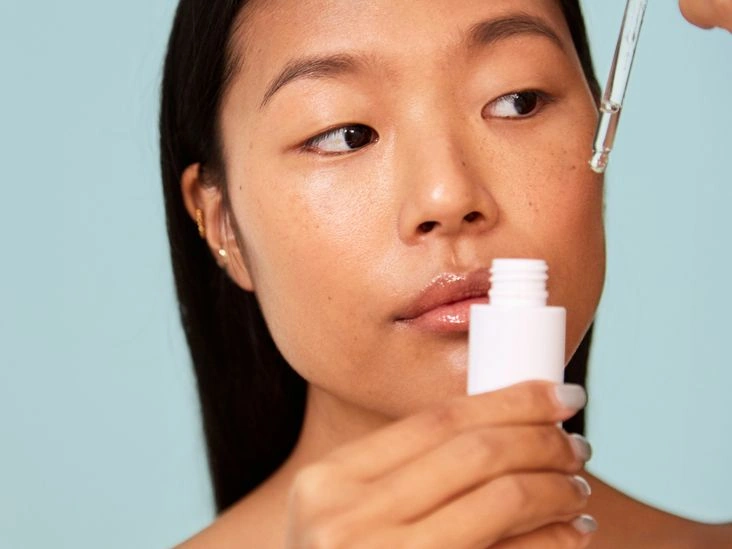
Because hyaluronic acid helps maintain skin hydration and vitamin C shields against sun damage while helping fade discoloration, the two ingredients make a complementary match.
Look at the shelves in any beauty shop and you’ll notice these two components are frequently combined in skincare formulas: hyaluronic acid and vitamin C.
That pairing isn’t accidental. Each ingredient supports more graceful aging of the skin — and their effects are often amplified when used together.
Whether you’re curious about an established skincare routine, how often to wash your hair, or the cosmetics that suit you, beauty is subjective.
That’s why we gather insight from a range of writers, educators, and specialists to offer guidance on everything from application techniques to the best sheet mask for your unique needs.
We only endorse products we truly believe in, so if you find a shopping link to a specific item or brand, rest assured our team has carefully vetted it.
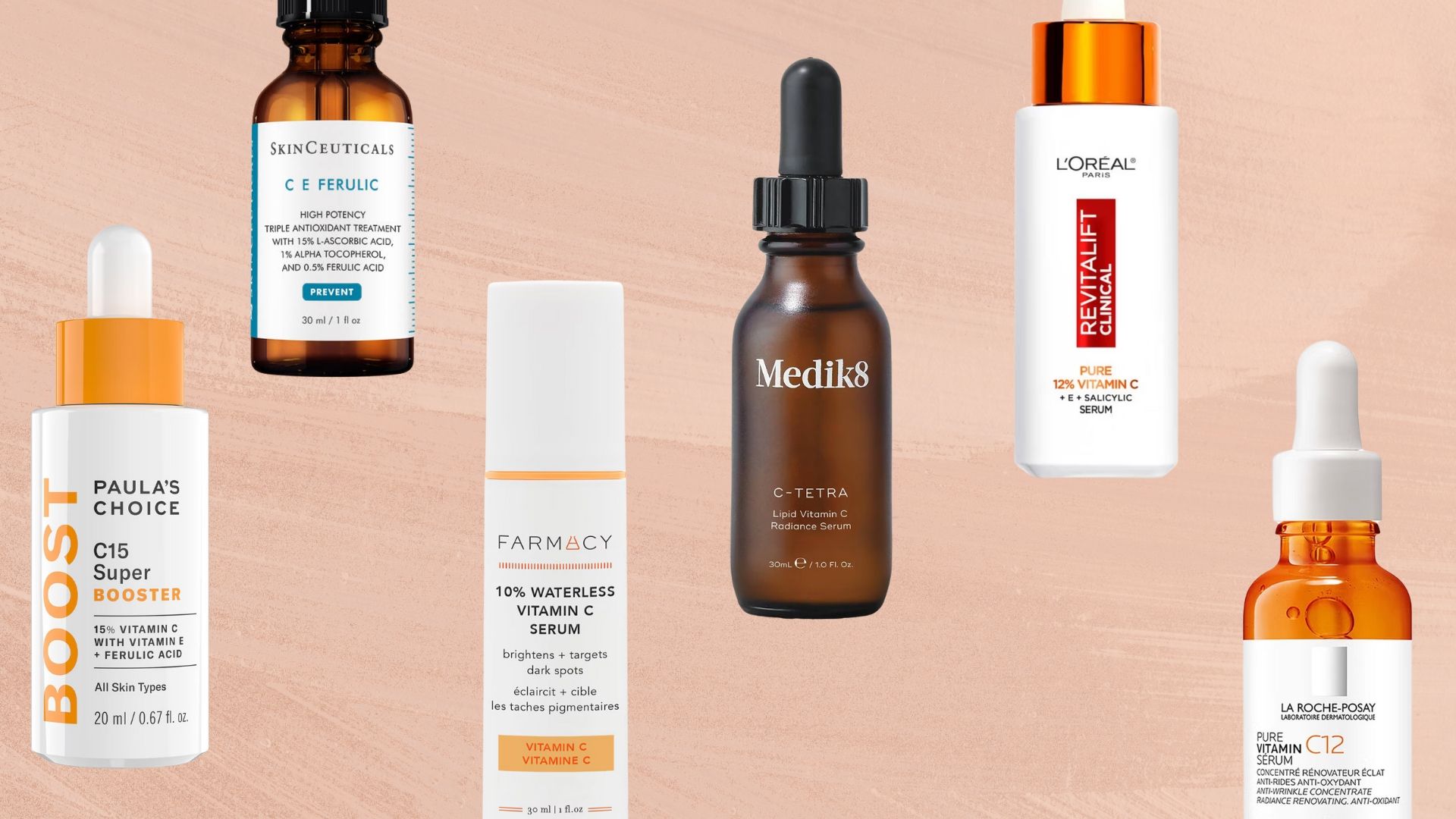
How each ingredient works on its own
Skin becomes more wrinkled over time largely due to hormonal shifts that leave it drier and less elastic.
Oxidative stress (from the sun’s UV rays and normal metabolic activity) also interferes with collagen production — the protein that forms skin and other connective tissues.
Hyaluronic acid
Hyaluronic acid is a substance the body naturally produces and is present in bones, connective tissue, cartilage, hair follicles, and skin. As a humectant, it helps the skin hold onto moisture.
“[Hyaluronic acid is] an effective moisturizer because it can hold one thousand times its weight in water,” says Dendy Engelman, MD, a dermatologist at Shafer Clinic in New York.
“It forms a barrier on the skin, trapping hydration and improving texture,” Engelman explains.
“Hyaluronic acid behaves like a sponge. It binds with water to draw it into the outer skin layer,” says Joshua Zeichner, MD, director of cosmetic and clinical research at Mount Sinai’s Department of Dermatology.
While hyaluronic acid injections deliver stronger results than topical products, research indicates that applying it to the face can help:
- hydrate the skin
- reduce the look of wrinkles
- improve skin firmness and elasticity
- support repair and regeneration of skin
Hyaluronic acid lotions and serums may be especially useful as skin matures, since hyaluronic acid content in the skin declines with age.
“Skin loses water and moisture as we age, and this ingredient helps retain hydration. The outcome is softer, plumper skin and an even tone. It can lessen fine lines and wrinkles,” Engelman says.
Vitamin C
Vitamin C is an antioxidant naturally abundant in the skin. It helps guard the skin from ultraviolet (UV) exposure and other environmental harm.
A 2017 review notes that photodamaged skin — skin exposed to substantial UV light — often shows reduced vitamin C levels.
“Vitamin C is perhaps the best-studied antioxidant we have for topical use,” Zeichner says.
Engelman and Zeichner report that topical vitamin C may help:
- protect skin from the sun’s harmful UV radiation
- prevent early skin aging by combating oxidative stress
- stimulate collagen production
- fade pigmentation
- provide anti-inflammatory effects useful for acne and rosacea
- gently exfoliate the skin
- brighten dark spots
Why they’re effective together
If you want a combination of skincare actives for overall skin health, consider hyaluronic acid and vitamin C. Together they make an excellent multitasking skincare step.
“Hyaluronic acid and vitamin C are frequently used together because they complement one another to hydrate, protect, and repair aging skin,” says Zeichner.
There’s another reason brands often pair them: “Excessive vitamin C can irritate, cause dryness, and even trigger breakouts in some skin types,” Engelman says. “Hyaluronic acid is an excellent companion to vitamin C because it doesn’t stress the skin. Instead, it nourishes by helping create a moisture barrier, allowing the skin to recover.”
For readers interested in dietary support for skin health, consider also learning about the hyaluronic acid diet, which some people explore as a complementary approach to topical care.
Does the combination work?
Research indicates both hyaluronic acid and vitamin C help hydrate and smooth skin, even out redness and discoloration, support skin repair, and lessen visible signs of aging.
A 2020 randomized controlled trial of 50 women found that applying a 20% vitamin C serum daily for two months, compared with a placebo, improved skin tone, elasticity, and radiance while reducing wrinkles.
A 2015 study with 60 women of light to medium complexion had participants use a 5% vitamin C solution followed by a moisturizer, while control groups used only the moisturizer.
Researchers used ultrasound to measure epidermal and dermal thickness at multiple intervals and concluded the vitamin C solution was an effective rejuvenation therapy, stimulating collagen production across age groups.
Regarding hyaluronic acid, a 2021 study of 40 women with diverse skin tones assessed a hyaluronic acid serum for hydration, smoothness, plumping, fine lines, wrinkles, and overall appearance using high-frequency ultrasound.
After six weeks, improvements were seen across all measured categories, with the greatest gains in hydration, smoothness, plumping, and reduction of fine lines.
Possible risks
There are generally no harms from combining these ingredients. However, if you’re sensitive to either one, you should avoid it, Engelman advises.
Engelman notes that reactions to hyaluronic acid are rare. “Most people can benefit from hyaluronic acid. It requires no acclimation and works well alongside other ingredients.”
Before spreading a new product over your whole face, perform a patch test on a small area to check for sensitivity. Apply a small amount and wait 24 hours. If irritation or other reactions appear, stop using it.
The takeaway
As we age, skin becomes drier and less elastic, making fine lines and wrinkles more noticeable.
Vitamin C is a potent antioxidant that fights oxidative damage, and it’s commonly combined with hyaluronic acid, a humectant that helps preserve skin moisture.
To potentially maximize your skincare results, try incorporating these ingredients together in your routine.
Frequently Asked Questions
Hyaluronic acid hydrates and helps retain moisture while vitamin C provides antioxidant protection and boosts collagen, making the skin look plumper and more even when used together.
Yes. Apply vitamin C first (on clean, dry skin) and follow with hyaluronic acid or a hyaluronic-containing moisturizer to lock in hydration and reduce potential dryness from vitamin C.
Most people tolerate the combination well, but vitamin C can cause irritation for sensitive skin. Do a patch test and introduce products slowly; hyaluronic acid often helps reduce dryness and irritation.
Both can help: vitamin C stimulates collagen and fades discoloration, while hyaluronic acid plumps and smooths fine lines by improving hydration and skin texture.
Daily use is common—vitamin C in the morning for antioxidant protection and hyaluronic acid morning and night to maintain hydration—unless a dermatologist advises otherwise.






Related Posts

Everything You Need to Know About Glycerin Soap
Aug 3, 2026 • 22 min read
About Prickly Pear Seed Oil
Aug 17, 2026 • 29 min read
Proper Dosage for Botox Treatment on the Forehead, Eyes, and Glabella
Aug 20, 2026 • 18 min read
Does Flaxseed Really Work for Beautiful Hair?
Aug 4, 2026 • 6 min read
5 Evidence-Based Ways Collagen May Improve Your Hair
Sep 1, 2026 • 28 min read