Krill Oil vs Fish Oil: Which Is Better for You?


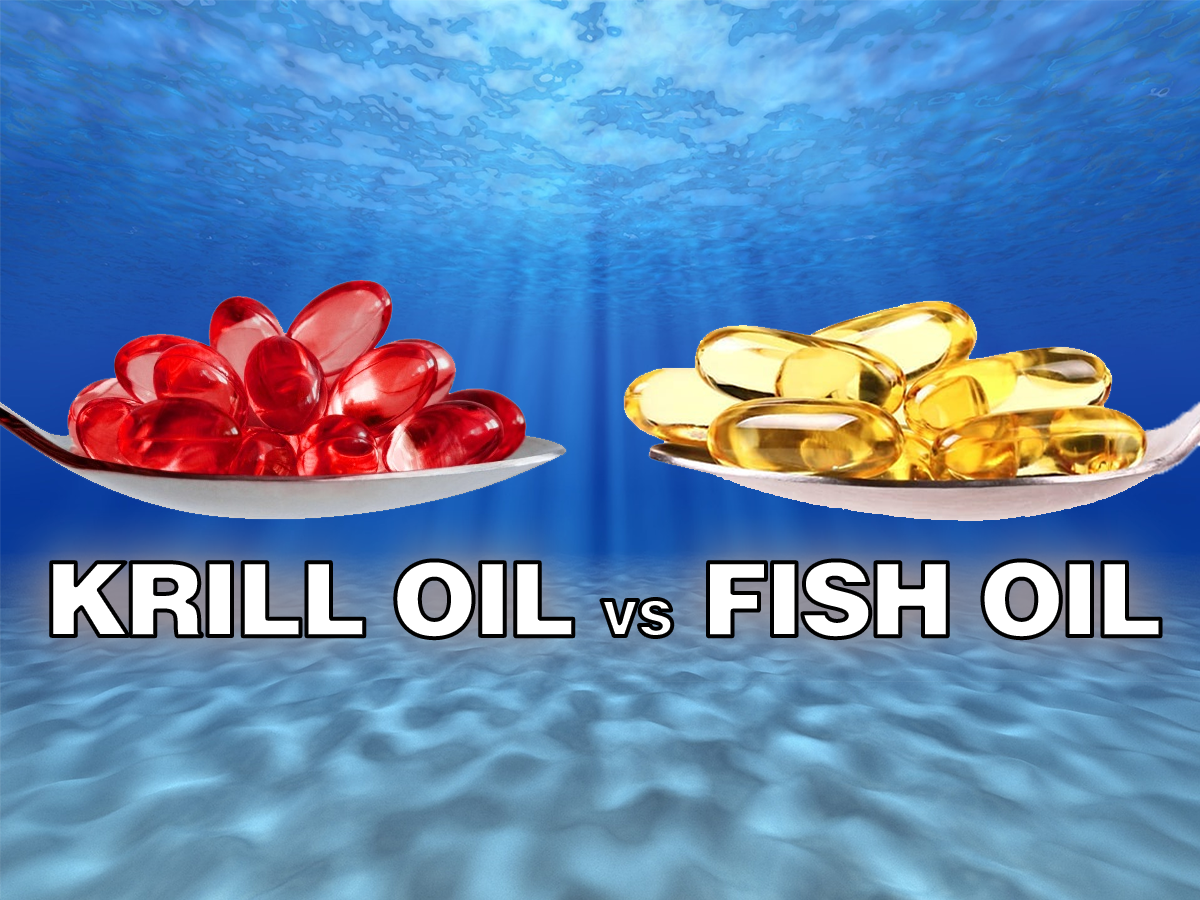
Krill oil is an omega-3 supplement sourced from tiny crustaceans called krill. Some research indicates krill oil might be absorbed more effectively by the body and could outperform fish oil at improving certain heart disease risk markers.
Fish oil, derived from fatty fish such as anchovies, mackerel, and salmon, ranks among the most widely used dietary supplements worldwide.
Its health perks largely stem from two omega-3 fatty acids — eicosapentaenoic acid (EPA) and docosahexaenoic acid (DHA). Both have been linked to benefits for heart and brain health, among other effects.
Like fish oil, krill oil supplies EPA and DHA, the primary omega-3s responsible for its advantages. Yet, the omega-3s in krill oil are structurally distinct from those in fish oil, which could influence how the body processes them.
This article explores the contrasts between krill oil and fish oil and reviews the evidence to decide which might be the better option for health.
Your body may absorb krill oil more readily
Both fish oil and krill oil provide EPA and DHA, but some studies suggest the body may take up and utilize the fatty acids in krill oil more efficiently than those from fish oil.
In fish oil, the omega-3s are largely present as triglycerides. Much of the EPA and DHA in krill oil, however, exists as phospholipids, which many researchers believe may enhance absorption and bioavailability.
One earlier 2015 study administered either fish oil or krill oil to participants and tracked blood fatty acid levels for several days.
Across 72 hours, levels of EPA and DHA in the blood were higher among those who consumed krill oil, suggesting superior absorption compared with fish oil.
Another 2011 trial gave subjects either fish oil or roughly two-thirds the amount of krill oil. Both increased blood EPA and DHA to similar extents, despite the lower krill oil dose.
Still, several experts who have reviewed the body of literature conclude there isn’t yet robust evidence proving krill oil is absorbed or utilized better than fish oil.
Additional research is necessary before making firm conclusions.
Summary: Some trials indicate krill oil might be absorbed more effectively than fish oil, but more studies are required to confirm this.
Krill oil provides more antioxidants
Antioxidants defend the body against oxidative stress, a form of cellular damage caused by free radicals.
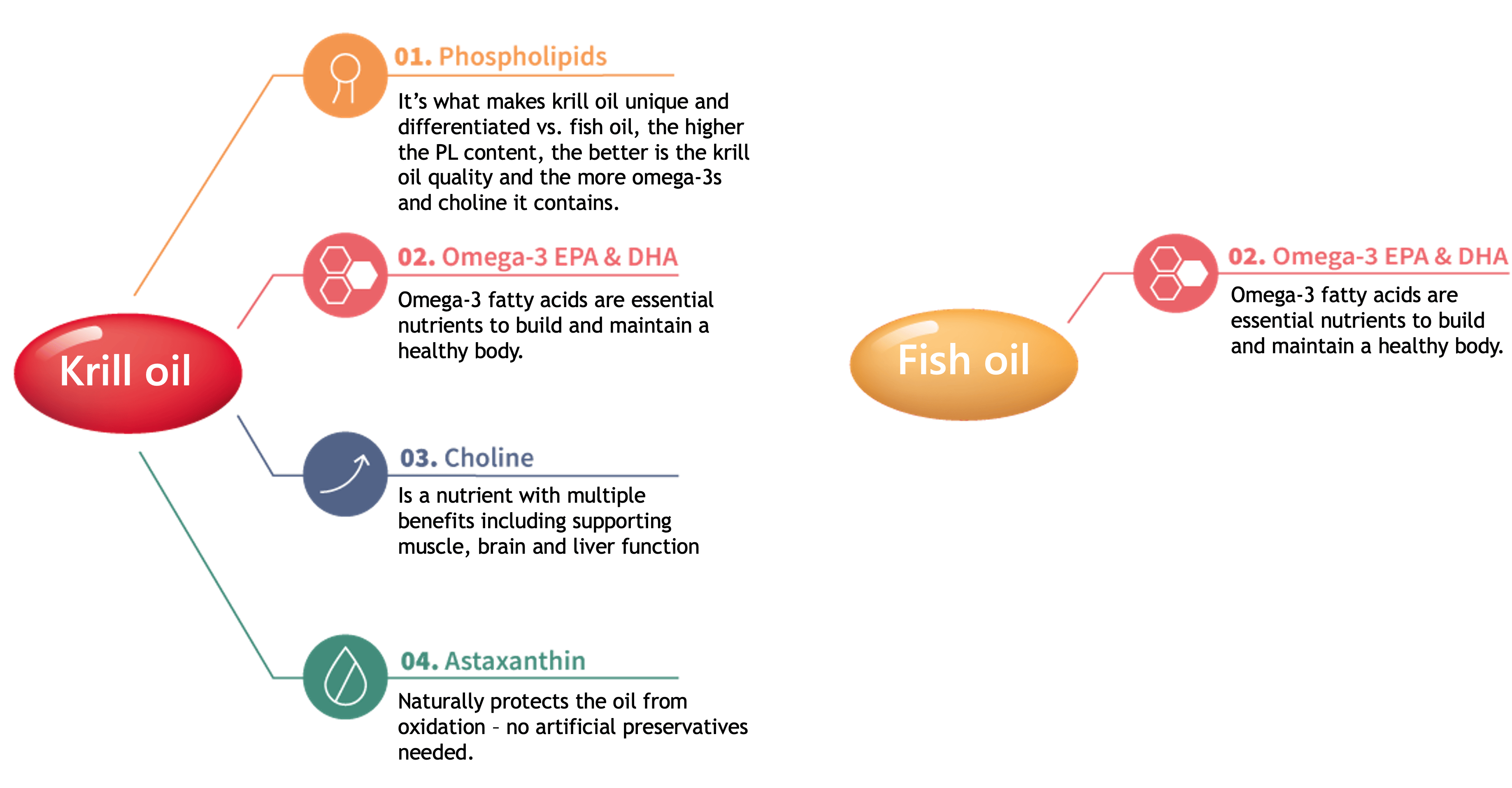
Krill oil contains an antioxidant named astaxanthin, which is absent from most fish oil products.
Many claim astaxanthin helps shield krill oil from oxidation and prevents it from becoming rancid, but definitive evidence supporting this claim is lacking.
Research does show that astaxanthin has antioxidant and anti-inflammatory effects that may support heart health.
For instance, an older study found that isolated astaxanthin reduced triglycerides and raised “good” HDL cholesterol in individuals with mildly elevated lipid levels.
However, that trial used much higher doses of astaxanthin than what typical krill oil supplements provide, so it’s unclear whether the smaller amounts in krill oil would yield the same outcomes.
Summary: Krill oil contains astaxanthin, a potent antioxidant that may help prevent oxidation and offer some cardiovascular benefits.
Krill oil may offer greater heart benefits than fish oil
Fish oil is widely appreciated for cardiovascular benefits, yet several studies indicate krill oil can also improve heart health—and might do so to a larger degree in some respects.
>A 2014 review on krill oil’s cardiovascular effects referenced an earlier trial where people with high cholesterol took fish oil, krill oil, or placebo daily for three months, with doses adjusted by body weight.Both fish oil and krill oil improved several heart disease risk markers.
However, the trial reported that krill oil outperformed fish oil in lowering blood sugar, triglycerides, and “bad” LDL cholesterol.
Interestingly, krill oil showed superior effects even though it was administered at lower doses than fish oil.
It’s important to note this is a single study, so more trials are needed to directly compare the cardiovascular impacts of krill and fish oil.
Summary: One earlier trial found krill oil reduced several heart disease risk factors more than fish oil. Additional research is needed to validate these findings.
Fish oil is less costly and more widely available
One practical advantage of fish oil over krill oil is that it is generally much less expensive and easier to find.

Even if krill oil matches or surpasses fish oil in some health effects, its production and processing tend to be costlier. As a result, krill oil supplements can be significantly pricier—sometimes up to 10 times the cost of fish oil.
Beyond price, fish oil is usually more readily available. Depending on your location, krill oil products may be harder to source and you’ll likely encounter fewer brands and formulations.
Summary: Compared with krill oil, fish oil is typically more affordable and easier to obtain.
Takeaway
Both fish oil and krill oil are excellent sources of omega-3 fatty acids with solid research supporting their health effects.
Some evidence suggests krill oil may be more effective than fish oil at improving particular heart disease risk factors. However, the research is limited and no definitive consensus has been reached that one clearly beats the other.
Given the sizable price difference and the limited evidence favoring krill oil, choosing fish oil may be the most sensible option for many people. If you can access krill oil and prefer to follow the existing studies that suggest better absorption and possible greater heart benefits, it may be worth considering.
Also consider that both fish and krill oil can influence blood clotting. If you are taking anticoagulant medications or have a bleeding disorder, consult a healthcare provider before starting either supplement.
For those weighing options, you may find additional information about krill oil benefits and the best fish oil supplement to help guide your choice.
Summary: Fish oil is a reasonable, cost-effective source of omega-3s. Krill oil might offer extra advantages but is pricier and backed by fewer large-scale studies.
Frequently Asked Questions
Some studies suggest krill oil’s omega-3s, often bound to phospholipids, may be absorbed more efficiently than fish oil’s triglyceride form, but evidence is not yet conclusive.
Yes. Krill oil naturally contains astaxanthin, an antioxidant not typically found in fish oil, which may help reduce oxidation and offer additional anti-inflammatory benefits.
Both can support heart health. A few trials indicate krill oil may improve certain markers like triglycerides and LDL more than fish oil, but larger studies are needed to confirm superiority.
Generally yes. Fish oil is usually less expensive and more widely available, while krill oil production costs tend to make it significantly pricier.
Both can affect blood clotting. People on anticoagulant medications or with bleeding disorders should consult a healthcare provider before taking krill or fish oil.
Read Next

Does Evening Primrose Oil Safely Induce Labor?

Folic Acid vs. Folate — What’s the Difference?

EGCG (Epigallocatechin Gallate): Benefits, Dosage, and Safety

Does Tribulus Terrestris Really Work? An Evidence-Based Look

Everything You Need to Know About Borage Oil

What You Need to Know About Snap-In Dentures
Related Posts

What Are Licorice Root's Benefits and Downsides?
Aug 31, 2026 • 16 min read
Is Willow Bark Nature’s Aspirin?
Sep 8, 2026 • 21 min read
What Is Colloidal Silver, and Is It Safe?
Sep 10, 2026 • 36 min read
Seed Probiotics Review 2025: A Dietitian’s Take
Aug 24, 2026 • 10 min read
Health Benefits of Hawthorn Berry
Aug 24, 2026 • 7 min read