Is a Nose Burning Sensation a Symptom of COVID-19?


- Is a burning feeling in the nose an indicator of COVID-19?
- What leads to a burning sensation in the nasal passages?
- How COVID-19 targets nasal cells
- Most frequent nasal complaints with COVID-19
- Common signs of COVID-19
- COVID-19 symptoms compared with other respiratory infections and allergies
- When to seek medical care
- Takeaway
COVID-19 is an extremely transmissible respiratory illness first identified in late 2019 and caused by the SARS-CoV-2 coronavirus.
Most individuals who contract COVID-19 experience mild signs such as coughing, fever, and fatigue. People aged 65 and older and those with preexisting conditions like diabetes or obesity face the greatest risk of progressing to a severe illness.
COVID-19 can produce nasal complaints similar to other upper respiratory illnesses, including nasal congestion or rhinorrhea. Some anecdotal accounts and isolated reports also describe sufferers experiencing a burning feeling inside the nose.
Read on for a closer examination of whether a burning sensation in the nasal passages is commonly associated with COVID-19. We’ll also compare COVID-19 nasal symptoms with those of other respiratory infections and allergic reactions.
Is a burning feeling in the nose an indicator of COVID-19?
A burning feeling inside the nose can be associated with COVID-19, but it is not among the most prevalent symptoms. The literature addressing nasal burning is limited to a few isolated case reports, so the true frequency of this symptom remains uncertain.
What leads to a burning sensation in the nasal passages?
A burning sensation in the nose may result from inflammation of the sinuses due to sinusitis. Sinus infections can be triggered by viruses, fungi, or bacteria.
One August 2020 study of 1,773 people with COVID-19 reported that 4.1 percent experienced nasal congestion and 2.1 percent had a runny nose. Such symptoms can create sinus blockage that fosters bacterial or fungal overgrowth.
Case reports
Sinus infections appear uncommon among those with COVID-19, although a handful of case reports have documented them.
A study in the Journal of Surgical Case Reports (March 2021) described a 52-year-old man with COVID-19 who developed an aggressive sinus infection that caused erosion of the sinus floor bone and complications affecting his right eye.
It was not certain whether COVID-19 was the sole cause or a contributing factor; however, negative bacterial and fungal cultures implied that COVID-19 may have been a major contributor.
A February 2021 report reviewed three critically ill COVID-19 patients who developed fungal sinusitis. Fungal sinus infections carry a high mortality risk in immunocompromised people. All three patients died from other complications related to COVID-19.
Still, most people with COVID-19 do not seem to develop sinus infections.
How COVID-19 targets nasal cells
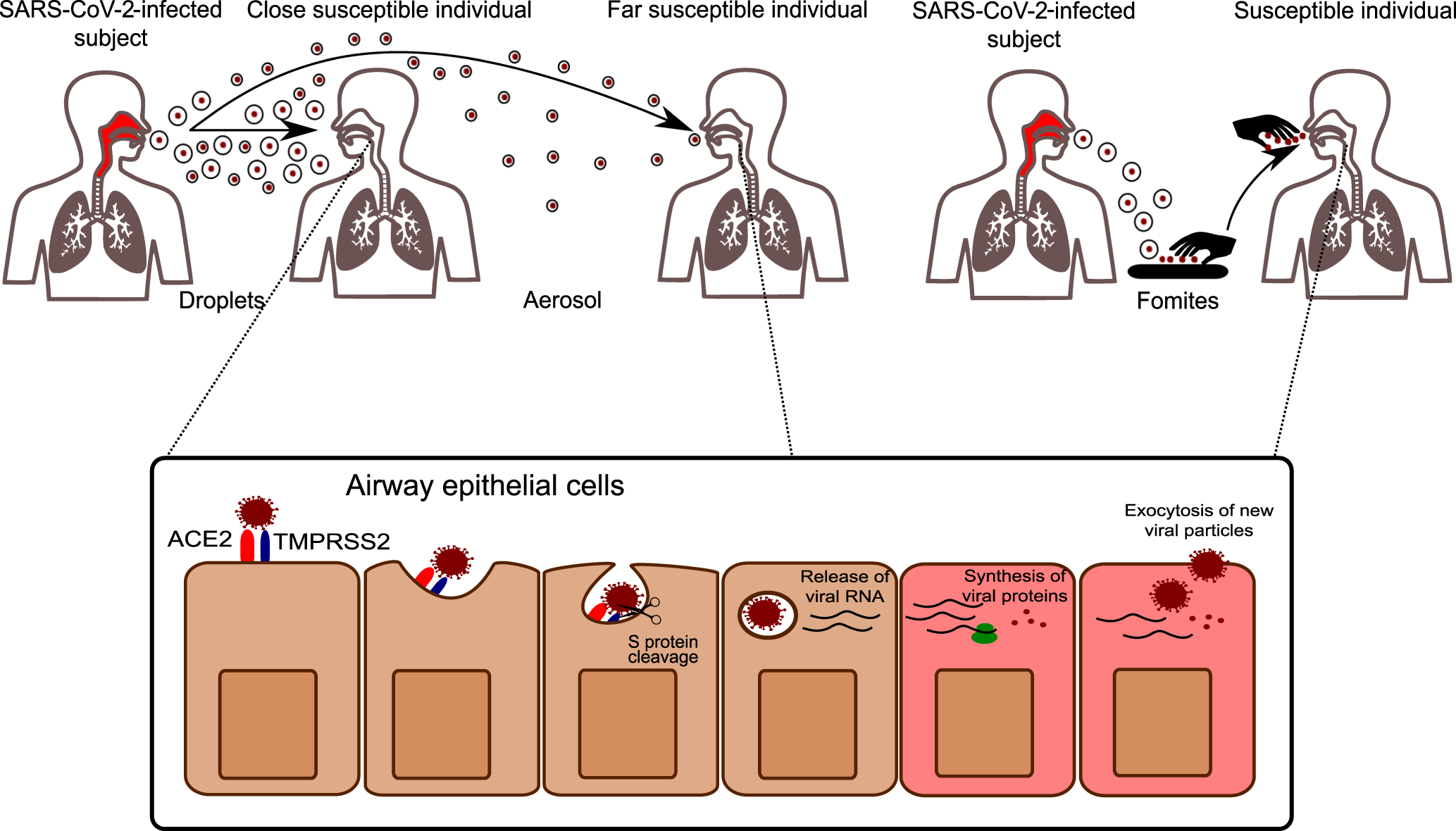
An April 2020 review indicates that SARS-CoV-2 likely gains entry to cells via the angiotensin-converting enzyme 2 (ACE-2) receptor. ACE-2 is present at relatively high levels in the nasal cavity as well as throughout the upper respiratory and digestive tracts.
ACE-2 is also expressed in other organs, including the gastrointestinal tract, lungs, blood vessels, and heart.
Within the nose, ACE-2 is most abundant in mucus-secreting goblet cells and ciliated epithelial cells that line the nasal passages.
Researchers have also determined that the virus uses a protease called TMPRSS2 to effectively enter cells. TMPRSS2 has been detected in nasal epithelial cells as well, according to June 2020 research .
Mouse studies show that reducing levels of this protein in mice led to reduced replication of the virus.
Most frequent nasal complaints with COVID-19
A 2021 study in the American Journal of Otolaryngology found that about one-third of people with COVID-19 report mild nasal symptoms, such as loss of smell or taste.
Reduction or loss of smell and taste are often reported early in the course of COVID-19. One July 2020 study found 73 percent of participants reported smell loss before diagnosis, and 26.6 percent said it was their first symptom.
Other nasal symptoms associated with COVID-19 include:
- nasal congestion
- runny nose
- postnasal drip
- difficulty breathing through the nose
Common signs of COVID-19
Per the World Health Organization , the most common symptoms of COVID-19 are:
- fever
- dry cough
- fatigue
Less common but still frequently observed symptoms include:
- loss of smell
- loss of taste
- muscle aches
- headache
- sore throat
- nasal congestion
- conjunctival redness
- diarrhea
- skin eruptions
COVID-19 symptoms compared with other respiratory infections and allergies
COVID-19 symptoms overlap significantly with those of other upper respiratory infections and allergic reactions.
Below is a comparison of common symptoms seen with COVID-19, influenza, the common cold, and allergies.

Some distinguishing features may help determine the cause:
- Allergic symptoms often persist for weeks or months and commonly include sneezing.
- Fever and body aches are not typical of allergies.
- Sneezing is not usually a symptom of COVID-19.
- Allergies do not typically cause cough unless postnasal drip is significant.
- Flu and colds rarely produce severe shortness of breath; when present, it is typically less severe than with COVID-19.
When to seek medical care
Most people with COVID-19 experience mild illness. Mild cases can be managed at home by:
- resting adequately
- maintaining hydration
- using over-the-counter remedies like acetaminophen to control symptoms
It’s essential to isolate as much as possible and avoid public spaces.
The Centers for Disease Control and Prevention (CDC) recommends that most adults discontinue isolation 10 days after symptom onset and once at least 24 hours have passed since fever resolved without using fever-reducing medicines.
Medical emergency If you or someone you care for develops emergency signs of COVID-19, seek immediate medical care. Many hospitals provide separate areas for treating COVID-19 patients and accept walk-ins. The CDC’s list of emergency symptoms includes: trouble breathing; persistent chest pain or pressure; an inability to stay awake or to be awakened; and pale, gray, or blue lips, nails, or skin. Any of these signs warrants urgent evaluation. Note that people with darker skin may find it harder to detect discoloration in lips, nails, or skin—such changes suggest inadequate oxygenation.
Takeaway
A burning feeling in the nose may be associated with COVID-19, but it is not a common hallmark of the infection.
Some people with COVID-19 develop nasal congestion or rhinorrhea. Those conditions can predispose to sinusitis, which may cause inflammation and a burning sensation.
COVID-19 symptoms overlap with those of other upper respiratory infections and allergic conditions. Fever is not a feature of allergies and may point toward a viral infection.
If you suspect you have COVID-19, isolate from others and seek medical attention if you experience severe or worsening symptoms.
Frequently Asked Questions
A burning sensation in the nose can occur with COVID-19 but is not a common or definitive symptom. It may result from inflammation due to viral infection, sinusitis, or other causes. Test and consult a clinician if you have other COVID-19 signs.
Reports of nasal burning in COVID-19 are limited and uncommon. Most studies list congestion, loss of smell, and runny nose more frequently than a burning sensation.
Common causes include sinusitis (viral, bacterial, or fungal), allergic rhinitis, irritants (smoke, chemicals), dry air, or nasal sprays. Underlying inflammation or infection often produces the sensation.
If nasal burning is mild and isolated, monitor symptoms and consider testing for COVID-19 if exposure or other symptoms exist. Seek immediate care if you develop severe signs like difficulty breathing, chest pain, or high fever.
A burning feeling in the nose can occur with COVID-19 but is uncommon; it’s more often reported as an isolated or anecdotal symptom rather than a typical sign of infection.
Sinusitis, allergic rhinitis, irritants (smoke, chemicals), dry air, or viral infections other than COVID-19 can all cause a burning sensation in the nasal passages.
Get tested for COVID-19 if you have respiratory symptoms, fever, or known exposure. Seek urgent medical care if you develop severe difficulty breathing, chest pain, or other emergency signs.
Yes. Nasal congestion or blockage from viral infection can lead to sinus inflammation or secondary bacterial/fungal infection, which may produce burning or pressure in the nose.
Home measures include staying hydrated, using saline nasal rinses, humidifying indoor air, avoiding irritants, and using over-the-counter pain relievers as needed; consult a clinician if symptoms worsen.
Read Next





Related Posts

What Are the Different Types of Hairlines for Women and Men?
Sep 22, 2026 • 14 min read
Is Polypropylene a Safe Plastic to Use in Your Home?
Sep 10, 2026 • 29 min read
Incubators for Babies: Why They’re Used and How They Work
Sep 5, 2026 • 7 min read
9 Stretches for Sciatica Pain Relief
Sep 30, 2026 • 9 min read
Everything You Need to Know About Robotripping
Aug 8, 2026 • 5 min read