
Diet & Nutrition
What Is Tapioca and What Is It Good For?
Tapioca is a gluten-free starch from cassava used in baking, puddings, and as a thickener; learn about its uses, nutrition, and safety.

Clear, evidence-based health guides — symptoms explained, conditions and treatments compared, and practical answers to the questions people actually search for. Browse by category below, or search for a topic.
Tapioca is a gluten-free starch from cassava used in baking, puddings, and as a thickener; learn about its uses, nutrition, and safety.

Antibiotics And Weed: Guidance on using cannabis during an antibiotic course, potential interactions, and when to consult your doctor.

Tired Legs can stem from overuse, poor circulation, pregnancy, or nutrient issues. Practical tips for relief, home care, and when to see a …
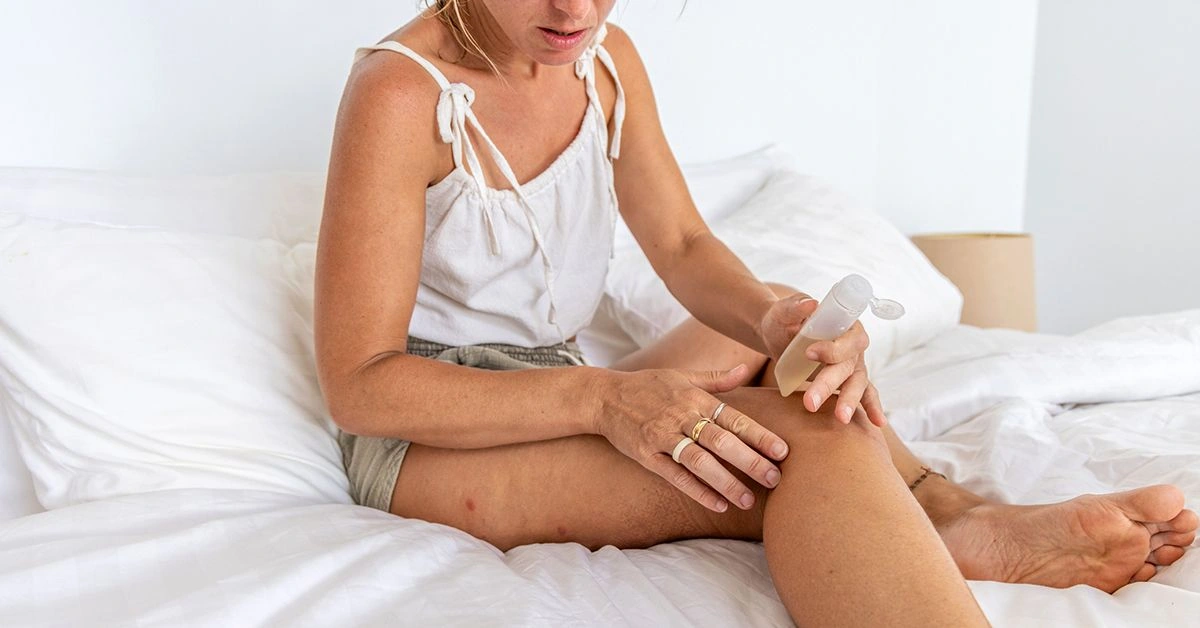
Heavy Legs can result from circulation, nerve, or muscle issues. Practical tips and when to seek care to reduce heaviness and discomfort.
Best Nuts For Keto picks 13 low-carb nuts and seeds rich in healthy fats, protein, and fiber to support a ketogenic lifestyle and tasty sna…
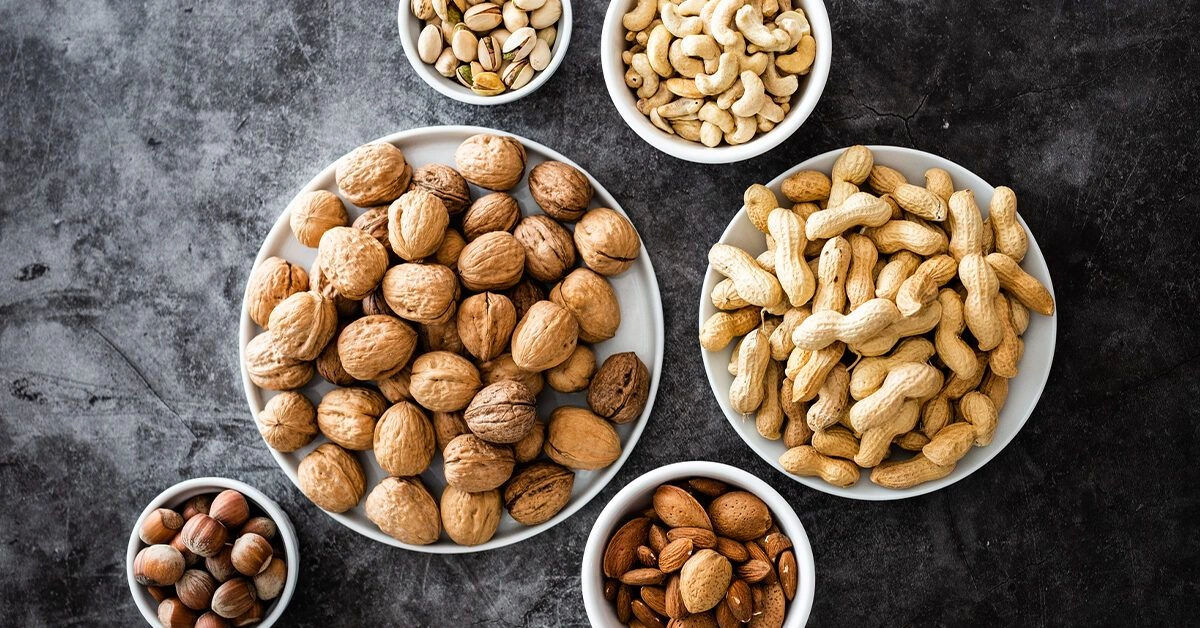
High Protein Nuts that pack protein and nutrients — from almonds and pistachios to pumpkin seeds — perfect for snacks and meals, 9 top choi…
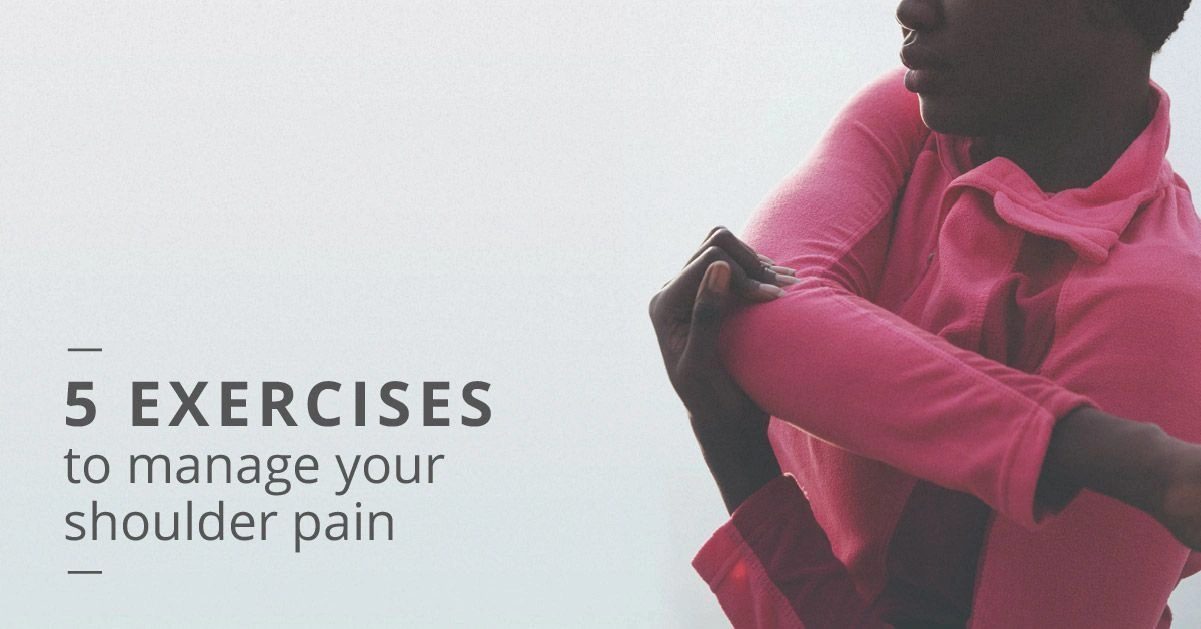
Gentle Rotator Cuff Injury Stretches to rebuild strength, restore range of motion, and reduce pain after a tear or strain with safe at-home…

Breast Firming Exercises to tone and lift your chest with 13 targeted moves—strengthen pecs for a firmer, perkier upper body in weeks.

Visible veins on breasts are often normal, especially in pregnancy, but sometimes signal something more. Learn the causes.

Shoulder Pain Pregnancy can stem from posture, hormonal changes, ectopic pregnancy, gallstones, or preeclampsia; know when to seek care.

Breasts And Upper Back Pain can contribute to strain and posture issues; learn symptoms, causes, and practical steps to ease discomfort and…

Lump On Shoulder can arise from lipomas, cysts, injury, or infection. See a doctor if it grows, hurts, or persists beyond two weeks.
General information only — not medical advice. Always consult a qualified healthcare professional about your own situation.