Heart Health
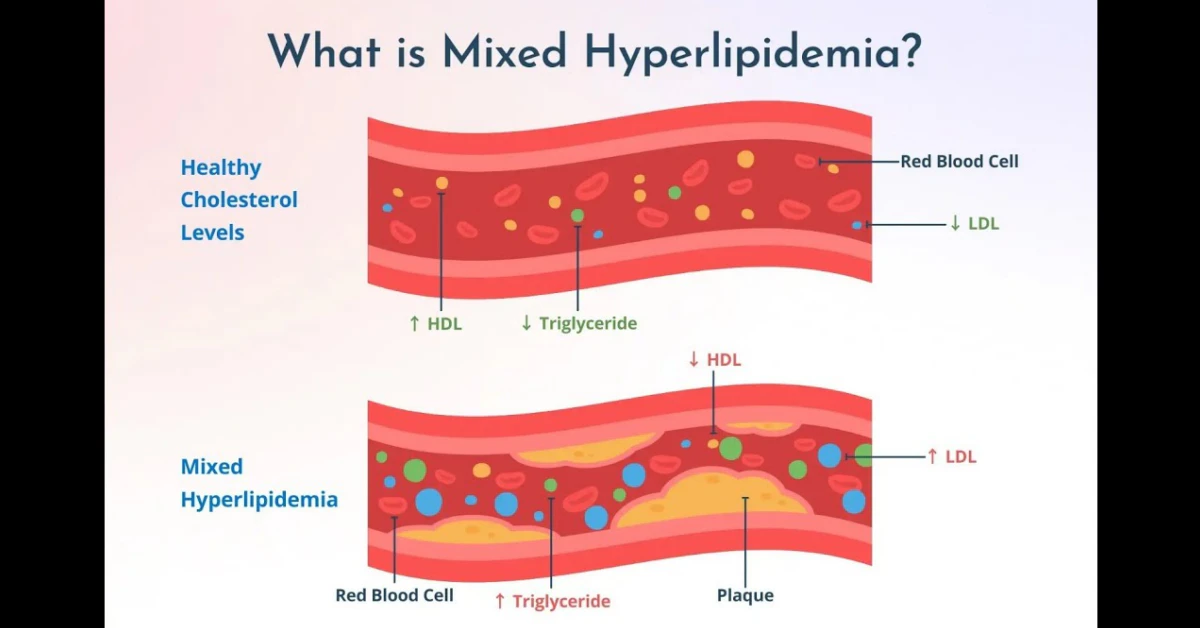
What Is Mixed Hyperlipidemia? Quick Answers & Guidance
What is mixed hyperlipidemia? A disorder that raises LDL and triglycerides, increasing heart disease risk and needing lifestyle changes.

Clear, evidence-based health guides — symptoms explained, conditions and treatments compared, and practical answers to the questions people actually search for. Browse by category below, or search for a topic.
What is mixed hyperlipidemia? A disorder that raises LDL and triglycerides, increasing heart disease risk and needing lifestyle changes.
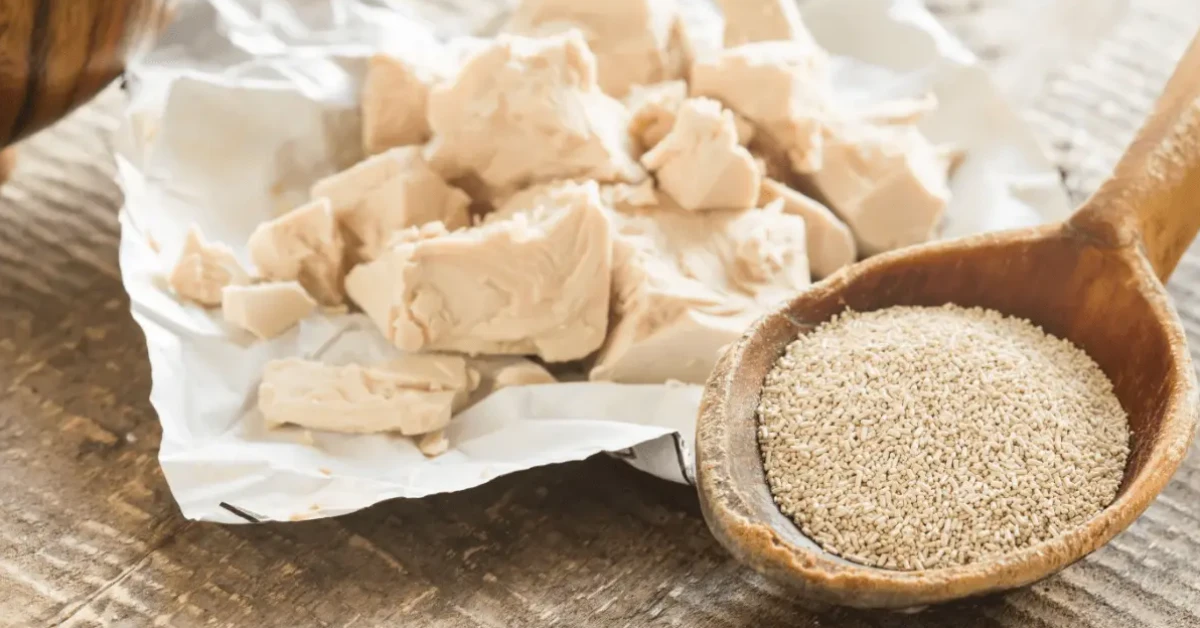
Find out if yeast extract has gluten, why some extracts contain trace barley, and how to read labels to stay safe on a gluten‑free diet.

Find out why take famotidine at night to control acid, improve sleep, and speed ulcer healing. Get timing, dosing and safety tips.

Find the right Sinemet Dosage: starter 25/100 tablet, titration plan, CR vs IR options, onset time, and key safety tips for Parkinson's pat…

A practical Colonoscopy Diet Sheet that actually works. Get clear pre-procedure instructions so your colonoscopy preparation succeeds the f…
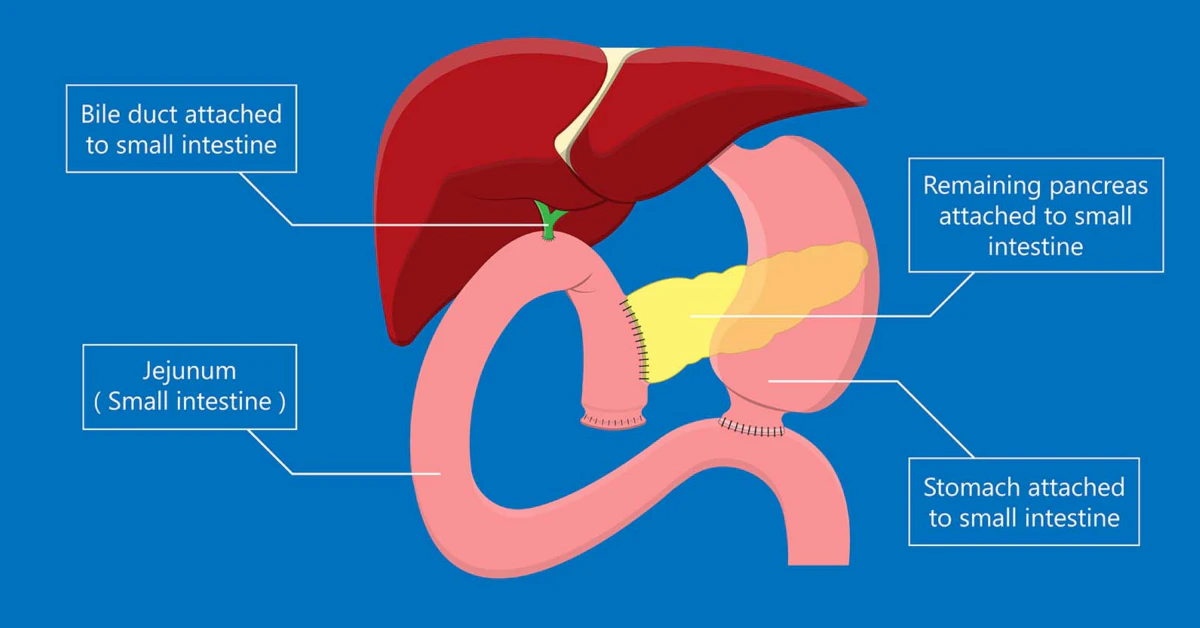
Bob Harris lived 50+ years after Whipple surgery for pancreatic cancer. See documented records of longest survival times and what factors c…

Mascara formulas mix waxes, pigments, and preservatives. Learn what is really inside your mascara and which ingredients to watch.

Parents share real experiences with the Best Goat Milk Formula. See which brands ease digestion issues and support healthy growth in 2025.

Azelaic acid gel helps treat rosacea and acne with fewer side effects. Find out how it works, how to use it, and if it's right for your ski…

Compare Ankle Fusion vs Replacement surgery for severe arthritis. Learn differences in recovery, pain relief, and long-term outcomes to cho…

Curious about Nipple Orgasm? Find out how to have one with these simple, effective tips for solo or partnered play. Don't miss these helpfu…

Experiencing low estrogen symptoms in women? From mood swings to hot flashes, learn what to watch for and how to manage them effectively.
General information only — not medical advice. Always consult a qualified healthcare professional about your own situation.