
Pink Cocaine Effects – What Happens and Why It Matters

- Quick Summary
- What Is Pink
- Effects Overview
- Immediate (0‑2 hrs)
- Peak & Comedown (2‑6 hrs)
- Medium‑Term (Days‑Weeks)
- Long‑Term (Months‑Years)
- Comparison Snapshot
- Who Uses It
- Health Risks
- Heart Trouble
- Neuro‑Psychological Danger
- Overdose & Mixed‑Substance Toxicity
- Physical Injuries & Secondary Harms
- First Aid
- Harm Reduction
- Getting Help
- Bottom Line
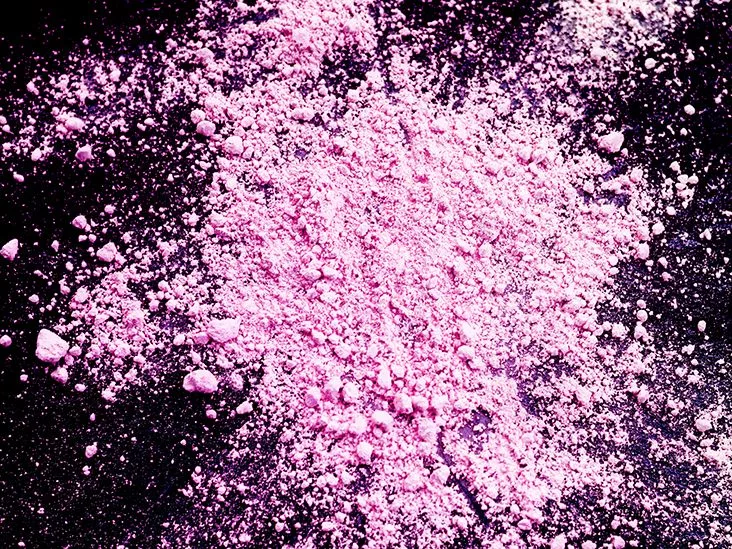
At first glance, pink cocaine looks like a novelty candy—bright, eye‑catching, and somehow “less dangerous” than its white cousin. The truth is far messier. Pink cocaine is usually a street‑mix of MDMA, ketamine, caffeine and a splash of food coloring, and it can hit you with a rush of euphoria one moment and a serious health scare the next. Below you’ll find the straight‑talk you need: what it looks like, what it does to your body, how to stay safe, and what to do if something goes wrong.
Quick Summary
One‑sentence answer: Pink cocaine is a pink‑colored powder that typically contains MDMA, ketamine, caffeine and sometimes other drugs, delivering brief sociability and hallucinations followed by rapid heart‑rate, anxiety and a potential crash.
Bottom‑line warning: Keep naloxone (Narcan) handy and call emergency services right away if you or a friend shows signs of overdose.
What Is Pink
“Pink cocaine,” “Tusi,” “Tucibi,” or “2C‑B” are the names you’ll hear on the club floor. Despite the name, the mixture rarely, if ever, contains actual cocaine. The pink hue comes from food coloring and strawberry‑flavored additives meant to make the drug look appealing.
The usual suspects in the blend are:
| Ingredient | Typical Role | Common % Range | Effect on Body |
|---|---|---|---|
| MDMA (Ecstasy) | Stimulant + empathogen | 30‑60 % | Euphoria, sociability, heightened sensory perception |
| Ketamine | Dissociative anesthetic | 10‑30 % | Hallucinations, detachment, analgesia |
| Caffeine | Stimulant | 5‑15 % | Increased alertness, heart‑rate acceleration |
| Food coloring / flavor | Cosmetic | Varies | Pink appearance, sweet taste |
| Other adulterants (fentanyl, methamphetamine, 2‑C‑B) | Unpredictable | Occasional | Opioid overdose risk, extra stimulation |
Because the composition can shift from batch to batch, users never really know what they’re ingesting until the effects hit.
Effects Overview
These effects unfold in stages, so you can picture a roller‑coaster that starts with a swift climb and ends with a sudden drop.
Immediate (0‑2 hrs)
- Intense euphoria and a “open‑heart” feeling that makes strangers seem like old friends.
- Boosted energy, talkativeness, and confidence.
- Physical signs: rapid heartbeat, higher blood pressure, dilated pupils, warm skin.
- Hallucinogenic touches: visual distortions, mild paranoia, “color‑enhanced” music.
- Unpleasant side‑effects: nausea, dizziness, occasional vomiting.
Peak & Comedown (2‑6 hrs)
After the high peaks, a “crash” often follows—irritability, anxiety, fatigue, and a lingering sense of emptiness. Dehydration, elevated body temperature, and electrolyte imbalances can sneak in if you’re dancing hard without water.
Medium‑Term (Days‑Weeks)
Even after the high fades, you might notice mood swings, trouble sleeping, or lingering anxiety. Cardiovascular strain can appear as palpitations or a racing heart that won’t quit.
Long‑Term (Months‑Years)
Regular use can lead to persistent heart problems (hypertension, arrhythmias), cognitive decline (memory lapses, poor impulse control), chronic depression, and a psychological dependence that makes you chase the “high” even when you know the risks.
Comparison Snapshot
| Substance | Typical Effects | Duration | Risk Level |
|---|---|---|---|
| Pink cocaine (MDMA+Ketamine mix) | Euphoria, sociability, hallucinations | 2‑6 hrs | High – unpredictable mix |
| Traditional cocaine | Intense stimulant rush, confidence | 30‑60 min | High – pure stimulant |
| MDMA (pure) | Euphoria, empathy, tactile enhancement | 3‑5 hrs | Moderate – known profile |
Who Uses It
Teenagers and young adults frequenting clubs, raves, or house parties are the core demographic. The pink color “looks cool,” and the promise of a mellow, sociable high feels less intimidating than the raw, aggressive buzz of white cocaine. However, the novelty veil hides a serious problem: the composition is often unknown, so the effects can swing wildly from a fun night to a medical emergency.
One harm‑reduction hotline reported a caller who thought she was just “having a fun powder” and ended up in the ER with a dangerously low sodium level—a reminder that the drug can mess with your body in ways you never expect.
Health Risks
Below are the most common ways pink cocaine can jeopardize health.
Heart Trouble
Both MDMA and ketamine raise heart rate and blood pressure. When combined, the strain can trigger arrhythmias, chest pain, or even sudden cardiac death—especially in people with undiagnosed heart conditions.
Neuro‑Psychological Danger
Hallucinations can turn into panic attacks, severe anxiety, or short‑term psychosis. Long‑term, users may experience depression, paranoia, or a lingering sense of unreality.
Overdose & Mixed‑Substance Toxicity
If a batch is laced with fentanyl or other opioids, respiratory depression can set in fast. The presence of methamphetamine or other stimulants compounds the risk of seizures, hyperthermia and organ failure.
Physical Injuries & Secondary Harms
- Impaired judgment → accidents, risky sexual behavior, or violent encounters.
- Snorting can binge the nasal septum, leading to chronic sinus problems and nosebleeds.
Data from California emergency departments show a 17 % rise in drug‑related visits between 2018 and 2021, with pink cocaine featuring prominently among the synthetic stimulants that landed people in the ER.
First Aid
If you suspect someone is overdosing on pink cocaine, act fast:
- Call 911 immediately—chest pain, loss of consciousness, seizures, or severe vomiting are red flags.
- Naloxone (Narcan) can reverse opioid‑related respiratory depression. Even if you don’t know whether fentanyl is present, administering naloxone is safer than waiting. Follow the dosage instructions on the kit or ask the dispatcher for guidance. According to Naloxone.org, a single nasal spray can buy you enough time for emergency responders.
- Place the person on their side (recovery position) to protect the airway.
- Monitor breathing and pulse until help arrives.
Harm Reduction
Being informed is the best defense. Here are practical steps you can take if you’re in a scene where pink cocaine circulates:
- Never use alone. A trusted buddy can call for help if things go sideways.
- Test kits. Fentanyl test strips and reagent kits (Marquis, Mecke) help you spot dangerous adulterants before you ingest.
- Carry naloxone. Many pharmacies dispense it without a prescription; community outreach programs also hand out kits.
- Stay hydrated. Water (not energy drinks) reduces the risk of hyperthermia.
- Know the warning signs. Sudden intense nausea, “cloudy” vision, uncontrollable shaking, or a feeling of “being stuck” often signals a bad batch.
Getting Help
If you or someone you know struggles with the pull of pink cocaine, professional support can make a huge difference.
- Medical detox. Supervised withdrawal is crucial, especially when ketamine or opioids are involved.
- Therapies. Cognitive‑behavioral therapy (CBT), motivational interviewing, and 12‑step programs have all shown success in treating stimulant‑type addictions.
- Resources. The National Institute on Drug Abuse offers a searchable treatment locator, and many local health departments provide free counseling hotlines.
Bottom Line
Pink cocaine can feel like a vibrant, fleeting escape, but underneath that glossy pink surface lies a cocktail of potent chemicals that can jeopardize your heart, mind, and future. Understanding the ingredients, recognizing the warning signs, and having tools like naloxone ready are the smartest ways to protect yourself and your friends.
So, the next time you hear someone talking about “just trying a pink hit for fun,” ask the tough questions: What’s actually in it? Do you have a plan if it goes wrong? And most importantly, are you prepared to call for help?
If you’ve learned something new, have a story to share, or just want to ask a question, drop a comment below. We’re all in this together, and the more we talk, the safer we become.
Frequently Asked Questions
Pink cocaine is usually a street‑mix of MDMA, ketamine, caffeine, food coloring and flavoring, and it can sometimes contain fentanyl, methamphetamine or other adulterants.
The high generally lasts 2‑6 hours, with an immediate rush in the first 0‑2 hours, followed by a peak and comedown, then possible medium‑term after‑effects for days to weeks.
Short‑term risks include rapid heartbeat, high blood pressure, anxiety, nausea, hallucinations, and dangerous heart‑strain that can lead to arrhythmias or chest pain.
Yes—especially if the batch is laced with opioids like fentanyl. Overdose signs are respiratory depression, severe vomiting, or loss of consciousness. Administering naloxone (Narcan) and calling emergency services are critical steps.
Never use alone, test the substance with fentanyl strips or reagent kits, carry naloxone, stay hydrated with water, and monitor for any sudden anxiety, nausea, or visual disturbances.






Related Posts

Sublocade vs. Suboxone: What You Should Know
Aug 6, 2026 • 12 min read
Can You Overdose on Xanax?
Sep 8, 2026 • 36 min read
Celebrities Who Have Struggled with Alcohol Addiction
Oct 2, 2026 • 36 min read
What Is Social Media Addiction?
Aug 22, 2026 • 33 min read
Try the Superman Exercise to Stand Tall and Proud
Sep 18, 2026 • 29 min read