Arizona Plague Death: Rare Case Confirmed in Coconino County

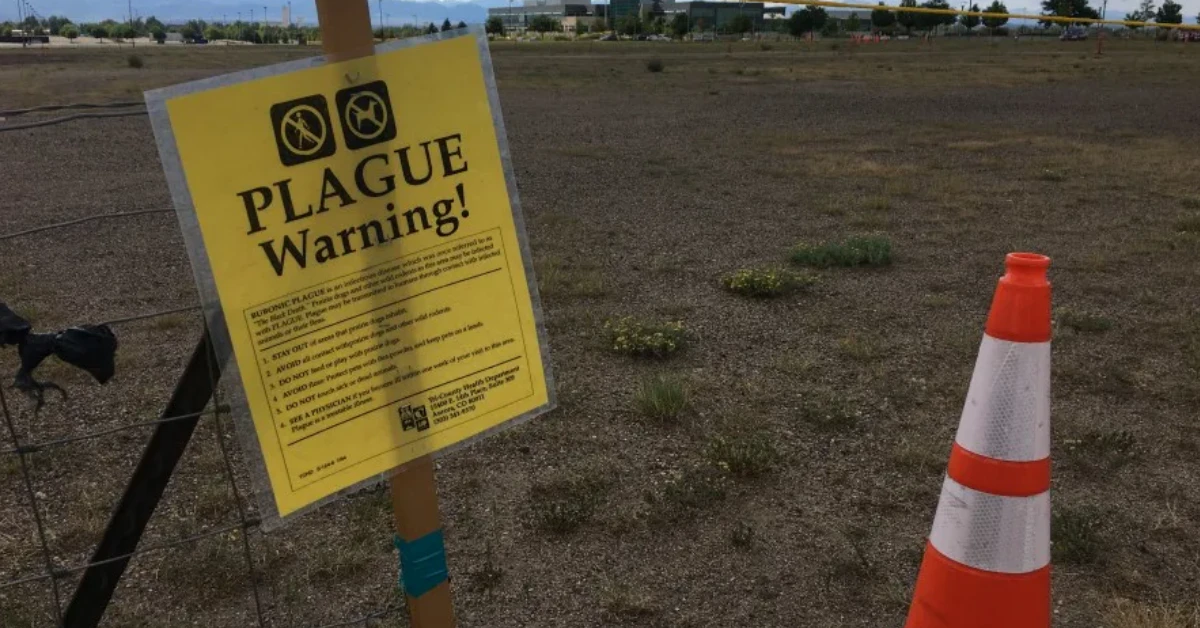
Hey folks—here’s the deal. Tragic news came out this week about a plague death Arizona case, and it’s totally understandable to feel alarmed. But let’s get real: this isn’t 14th-century Europe. Think of this as a quick check-in—like, hey, what’s going on, and should you be worried? Short answer: probably not, but you should know the basics.
Last week, Coconino County—a spot northeast of Flagstaff—confirmed its first pneumonic plague death since 2007. The Centers for Disease Control and Prevention (CDC) says plague hits about seven people yearly in the U.S., and even though it’s treatable with antibiotics, this case is a reminder that these diseases do pop up. Let’s break down what happened, why it matters, and what you can do to keep your family safe.
Plague in Coconino County
Alright, so here’s what we do know: a local resident died from pneumonic plague. The county hasn’t released details to protect the family, but here’s the kicker: they’re not linking this case to a recent prairie dog die-off in the Townsend Winona area. Prairie dogs are like nature’s early warning system—they get sick quick, which is why officials monitor them. Still, this death was unrelated. Got that?
Now, this isn’t some brand-new threat. Back in 2007, a bubonic plague case was tied to contact with a deceased rodent. But pneumonic? That’s different. Bubonic (the “classic” form) targets lymph nodes. Pneumonic? It’s a meaner cousin—attacks the lungs and, if untreated, kills fast. The CDC says folks need antibiotics within 24 hours of symptom onset to have a shot.
Why This Death Matters
You’re probably thinking, “Wait, plague still exists?!” Totally fair. It’s like finding out your neighbor owns a sword—it’s out there, but not exactly common. According to the CDC records , Arizona sees a few cases every decade. The last one was in 2023 when a Navajo County resident survived bubonic plague after early treatment. This pneumonic case? It’s a rare blip, but blips happen.
Here’s the kicker: most U.S. plague cases occur in rural parts of the Southwest. Flagstaff, Winslow, Four Corners—those places. And even then, it’s not like you’re catching it at the grocery store. We’re talking rodent fleas, not airborne germs. But let’s dig into the basics.
Plague Basics
So, quick explainer: plague isn’t just one thing. Three main types—each hitting different body parts, each needing specific care. Think of them like the Avengers, but way less cool. Here’s how they stack up:
| Type | Main Symptoms | Key Risk Zones |
|---|---|---|
| Bubonic | Swollen, painful lymph nodes (buboes), fever, chills | Southwest rural areas—Arizona, New Mexico, Colorado |
| Septicemic | Bleeding under skin, tissue death in extremities, shock | Rare—often misdiagnosed until it’s too late |
| Pneumonic | Coughing, chest pain, difficulty breathing | Only form that could spread through coughs/sneezes (but super rare in U.S.) |
See what I mean? Pneumonic’s the outlier—deadly, fast-acting, and (in theory) contagious. But the CDC hasn’t documented person-to-person transmission in the U.S. since 1924. So yeah, that’s ancient. Even so, if you’ve got a nagging cough and a recent flea bite, don’t wait—call your doctor.
Spotting the Red Flags
Let’s say you’re hiking near a prairie dog colony or your cat dragged something sketchy in. What should bug you? For bubonic plague, watch for lumps in your armpit, groin, or neck. Pneumonic? Think of it as septic pneumonia with a side of horror—it slaps you with cough, fever, and breathing trouble fast.
Here’s the thing: symptoms show up one to eight days after exposure. So if you’re bit by a fleabag (rodent fleas, not Fido’s), don’t panic—just pay attention. If you feel like trash and your body’s screaming, that’s your cue to book it to a clinic. Trust your gut.
Transmission & Spread
You’re thinking it: “How exactly does plague jump to you?” Good question. Bubonic starts with a flea bite from a rodent—prairie dogs, rattlers, even your neighbor’s pet guinea pig if it’s got fleas. Septicemic? That’s when the infection spreads through your bloodstream.
Pneumonic’s different. Either bacteria from untreated bubonic/septicemic jumps to the lungs, or you’re close to someone (or an animal) with the pneumonic strain. Think “super spreader moment” but in a remote area. The CDC mentions one key transmission vector for pneumonic: contact with infected cats. Why? Cats act like sponges for the bacteria. They get it by nibbling rodents, then sneeze it onto you. Real messy, right?
Where’s the Riskiest Terrain?
Here’s the map for plague hot zones:
- Arizona’s high country (Coconino, Navajo)
- New Mexico, especially Rio Arriba County
- Western Colorado and Nevada
It’s not like these spots are plague magnets—but rodents live there, fleas live on rodents, and sometimes Yersinia pestis tags along. The WHO’s watching it in Madagascar and Peru, but you didn’t travel there, correct? So keep your eyes on local pet advice. And speaking of pets…
Proven Prevention Tips
You’re a person who loves the Southwest—maybe hikes, camps, or owns a dog that loves digging in rodent burrows. So what’s the deal with staying safe? Let’s keep it practical, yeah?
- Stop the flea invasion: Use 20-30% DEET sprays on skin or permethrin on clothes. Tuck those pant legs into your socks. (Yes, even if it screams “city mouse” vibes.)
- Pets are NOT raccoon magnets: Keep them leashed; fleas on Fluffy are just as scary as those on rodents. If your cat’s coughing, get it checked immediately—call the vet first to avoid exposing others.
- Don’t touch the wildlife: Dead or dying squirrels, mice, prairie dogs? Hands-off. Same for sick animals in your home. Gloves, mask, and a trash bag—no hugs, no selfies.
Here’s a pro tip: if you’re setting up camp, avoid rodent burrows. Ever slept near one and woke up with a weird itching fit? Yeah, bad idea. Store food in critter-proof bins, clear brush from your home, and don’t let Fido roll in mystery goo.
Public Health Response
So, after the death was confirmed, Coconino County Health jumped into action. Flea testing in the affected area, burrows treated, and a reminder to the public to report sudden animal die-offs . They’re not panicking—just covering bases. Because even rare cases need routine handling.
Health providers are pushing the “call ahead” protocol. If symptoms hit you like a ton of bricks, call your clinic or ER before showing up. That way, they prep for your arrival—masks, isolation rooms, etc.—so no one else catches your mystery bug. Makes sense, right?
Why Outbreaks Are Unlikely
Let me answer the obvious: “Is Arizona looking at an outbreak?” The answer’s a solid no. Only ~7 cases/year nationwide means it’s not going viral. Add antibiotics to the mix, and it’s a non-starter. But here’s the kicker: pneumonic spread could happen through coughs/sneezes. Still, the last U.S. human-to-human case? 1924.
Here’s the math: even if someone got exposed, the bug’s not hiding. It’s loud, aggressive. So health systems catch it early. Plus, the infected usually aren’t hobnobbing in crowded bars. Rural, isolated areas = limited spread. That’s how you avoid a domino effect.
Plague: Then vs. Now
Real talk—no one wants to hear “Black Death,” but let’s acknowledge the elephant in the room. Bubonic plague killed a third of Europe’s population. But 2025’s a different world. Remember 2020? Yeah, same medical advancements apply here. Doctors now recognize symptoms fast—IV antibiotics on deck, containment procedures, and labs that ID the pathogen quicker than you can say “Yersinia pestis.”
Imagine a doctor in 1349 scratching their head, like, “Hm, why are your armpits swelling?” Now, picture Flagstaff Medical Center in 2025. They’ve got rapid tests and a whole playbook from the CDC. So why did this case end in tragedy? Either the patient delayed care, the bug was resistant (uncommon), or the symptoms snuck under the radar. Either way, it’s rare, not a sign of the apocalypse.
Why This Case Still Frightens
It’s human nature to freak out over scary headlines. But here’s the truth: your odds of getting struck by lightning are higher than catching plague. Seven cases a year nationwide? That’s basically a rounding error in modern medicine. And yet…
We’re wired to fear what we don’t understand. If you’re in Arizona’s backcountry, let’s keep it real—those prairie dogs aren’t cute; they’re potential carriers. But no need to start hoarding canned goods. Just stay smart, follow the guidelines, and respect the local wildlife. You good?
Takeaway: Stay Prepared, Not Alarmed
Last thoughts? Yeah, this hit a nerve—but it’s a wake-up call, not a disaster. Here’s the bottom line:
- Killer symptom combos: Fever + swollen lymph nodes + flu-like fatigue? Prioritize getting help today.
- Travelers, campers, pet-owners: Keep those flea collars on, DEET handy, and report sick critters to Coconino Animal Services (808-679-8760).
- The bigger picture: Arizona’s not the plague capital—New Mexico sees most U.S. cases. You’ll probably get sunburned before plague.
So what’s the big takeaway? Life in Arizona’s got its risks—like monsoon lightning, javelina encounters, and the occasional plague case—but those risks are manageable. You don’t need a hazmat suit to hike Sedona. Just awareness and quick reflexes. So keep breathing easy, check the CDC’s info, and spread these facts to your circle. They’ll thank you later.
Got questions or just want to blow off steam? Drop a note below. No judgment—it’s 2025, and we’re all figuring this out together. Stay safe, folks.
Frequently Asked Questions
A Coconino County resident contracted pneumonic plague, likely through contact with infected fleas or animals. While the exact source remains undisclosed, health officials confirmed it was unrelated to a recent prairie dog die-off in the Townsend Winona area.
Symptoms include sudden fever, cough, chest pain, and difficulty breathing—often mistaken for flu. If untreated within 24 hours, it can turn fatal. Early antibiotic use is lifesaving.
No. Plague is rare, with ~7 annual U.S. cases, mostly in the Southwest. Coconino County stresses risk remains low, urging prevention measures like DEET repellent and avoiding rodent habitats.
Pneumonic plague can spread via respiratory droplets, but U.S. human-to-human cases haven’t occurred since 1924. Close contact with infected cats remains a documented risk, per CDC protocols.
Cochino County Health recommends flea repellent, reporting rodent die-offs (928-679-8756), keeping pets restricted, and avoiding dead animals. Call ahead if you suspect symptoms to minimize spread.





Related Posts

Lexapro and Cost: What You Need to Know
Aug 3, 2026 • 31 min read
How SNL Comedian Kenan Thompson Manages GERD Symptoms After Diagnosis
Sep 26, 2026 • 36 min readRexulti (Brexpiprazole) Overview
Aug 15, 2026 • 18 min read
What Causes Peau D’Orange?
Aug 23, 2026 • 12 min read
Karate vs. Taekwondo: What's the Difference?
Sep 25, 2026 • 3 min read